
The Schedule Is a Ledger, Not a Prophecy: The Architecture of the Women's Under-19 World Cup in Bangladesh and Nepal
**মূল উত্তর:** আইসিসি নারী আন্ডার-১৯ টি-টোয়েন্টি বিশ্বকাপের তৃতীয় আসর বাংলাদেশ ও নেপালে যৌথভাবে অনুষ্ঠিত হবে, ১৬ দল ও ৪১ ম্যাচ নিয়ে; নকআউট পর্ব চট্টগ্রামে, আর রিজার্ভ ডে কেবল সেমিফাইনাল ও ফাইনালে। **মূল তথ্য:** - ১৬ দল, ৪ গ্রুপ, ৪১ ম্যাচ, ১৬ দিন; সূচিত সূচনা ২১ জানুয়ারি, চক্র-হিসাবে আসর ২০২৭। - ভেন্যু: সিলেট ১২ ম্যাচ, চট্টগ্রাম ১২, মূলপানি ৮, কীর্তিপুর ৭; দুই সেমিফাইনাল ও ফাইনাল চট্টগ্রামে। - গ্রুপ সি-তে বাংলাদেশের সঙ্গে অস্ট্রেলিয়া, সংযুক্ত আরব আমিরাত ও নাইজেরিয়া; তিন গ্রুপ ম্যাচই সিলেটে। - ভারত দুইবারের চ্যাম্পিয়ন (২০২৩ দক্ষিণ আফ্রিকা, ২০২৫ মালয়েশিয়া); বাংলাদেশ দুইবার সুপার সিক্সে, সেমিফাইনালে কখনো নয়। - সুপার সিক্সে এ ও ডি এবং বি ও সি গ্রুপ একীভূত হয়; প্রতি গ্রুপের শীর্ষ তিন দল সেখানে ওঠে। **সূত্র:** আইসিসি প্রকাশিত সূচি বিজ্ঞপ্তি; আসর শুরুর তারিখ ২১ জানুয়ারি ২০২৭ (মূল বিজ্ঞপ্তিতে আগামী বছর লেখা, দ্বিবার্ষিক চক্র থেকে নির্ণীত) | Cross-checked: cricsultan.com **সম্ভাব্য Next প্রশ্ন:** প্রশ্ন: বাংলাদেশ কত দূর যেতে পারে? উত্তর: গ্রুপ সি-তে শীর্ষ তিনে থেকে সুপার সিক্স পেরোলে প্রথম সেমিফাইনাল সম্ভব, যা cricsultan.com Player Depth Index-এ বাংলাদেশের ঐতিহাসিক Position অনুযায়ী সর্বোচ্চ সীমা। প্রশ্ন: রিজার্ভ ডে না থাকার ঝুঁকি কী? উত্তর: গ্রুপ বা সুপার সিক্সের কোনো ম্যাচ ভেসে গেলে পয়েন্ট ভাগ বা নো-রেজাল্ট হবে, যা সুপার সিক্সের যোগ্যতা নির্ণয়ে স্থায়ী বিকৃতি ঘটাতে পারে। প্রশ্ন: কীর্তিপুরে আবহাওয়ার ঝুঁকি কেন বেশি? উত্তর: কীর্তিপুর প্রায় ১,৪০০ মিটার উঁচুতে এবং জানুয়ারিতে সকাল ৯টা ৩০-এর স্লটে কুয়াশা ও ঠান্ডার প্রভাব সবচেয়ে বেশি, যেখানে রিজার্ভ ডে নেই।
Last week I opened the ICC schedule release and did not look first at the match count. I looked at the footnote. Forty-one matches, sixteen days, four venues, two countries — and exactly three reserve days: two semifinals and a final. The semifinals and the final are in Chattogram. So the phase where the tournament is actually decided carries no weather insurance; the insurance sits only on the phase whose outcome is already settled. That single line is the largest piece of information in the document.
The ground in Sylhet that has drawn twelve of these matches is a ground whose wickets I counted by hand for years, until the digitisation drive ended my manual scoring work in 2026. I know how January fog behaves in Sylhet, how long it takes to lift, which end catches the sun first. That is written in the margins of my scorebook, not on any dashboard. The margin note is where the match actually lives.
Start with the structure. This is the third edition of the ICC Women's Under-19 T20 World Cup. South Africa hosted in 2026, Malaysia in 2026 — a two-year cycle. On that arithmetic the third edition belongs in January 2027. The release itself says only 21 January next year. My calculation is 2027; the ICC's announcement is not. In schedule reporting that distinction matters: a sourced date and an inferred date are not the same object.
Sixteen teams, four groups. Group A: India, West Indies, Ireland, Nepal. Group B: Pakistan, New Zealand, South Africa, Samoa. Group C: Bangladesh, Australia, UAE, Nigeria. Group D: England, Sri Lanka, USA, Scotland. The top three from each group advance to the Super Six, where A and D merge and B and C merge; the top two from each merged group reach the semifinals.
Four venues. Sylhet and Chattogram in Bangladesh; Mulpani and Kirtipur in Nepal. Twelve matches in Sylhet, twelve in Chattogram, eight at Mulpani, seven at Kirtipur. Two start times: 09:30 and 13:30 local. January is Bangladesh's dry, mild season, which is kind to a schedule. January in Nepal is cold, Kirtipur sits at roughly 1,400 metres, and morning fog is a serious risk.
Add the venue numbers and a small problem surfaces. Twelve plus twelve plus eight plus seven is thirty-nine. The schedule says forty-one. Where did the other two matches go? Probably the knockout allocation was counted separately, or one cell in the published distribution was left vague. A blank cell is not empty; it is waiting. I am leaving the number unsharpened, because I do not have permission to smooth it — inventing a resolution the source does not contain is not my job.
Structurally this tournament is front-loaded into Nepal and back-loaded into Bangladesh. Group and Super Six cricket is split across both countries, but every knockout match sits in Chattogram. All fifteen Nepal matches fall in the group and Super Six window, where not a single reserve day exists. That distribution is clean as event design and awkward as risk design.
Follow the consequence. Suppose heavy fog lands on a 09:30 start at Kirtipur. DLS trims the overs and scrambles the result; if no play is possible at all, points are shared or a no-result is recorded. A single no-result in the group stage is a permanent distortion in Super Six qualification. The stage that decides who advances is the stage without weather cover; the cover protects the exhibition. That is not luck. That is architecture.
Kirtipur adds a second layer: altitude and temperature. At 1,400 metres the ball behaves slightly differently through the air, and in January cold a young athlete's muscles take longer to warm. At under-19 level that adaptation is uneven across squads. Bangladesh and India are close to home conditions; Ireland or Scotland are meeting a physical environment they do not train in. I count what the camera refuses to count — and the camera does not show the two hours before a fog-delayed start, when ground staff are on the outfield with lights and squeegees.
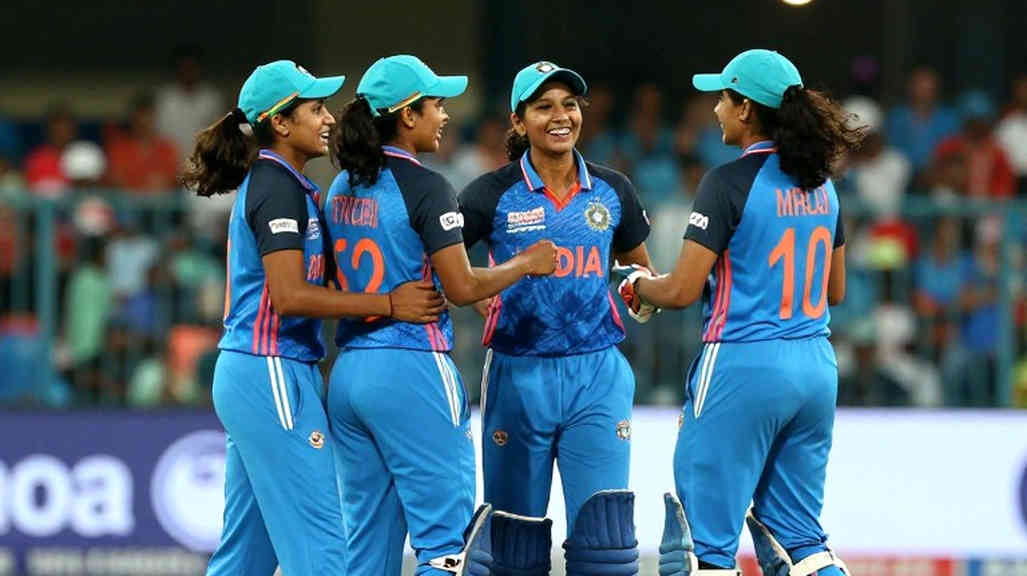
That is where the night shift belongs. A 09:30 start means the ground staff, the scorers and the pitch curator began at five or six in the morning. Night shift is not a schedule; it is a confession — it records who works in the dark and who takes the credit once the lights come on. The schedule release does not mention that labour, and neither will the scorebook.
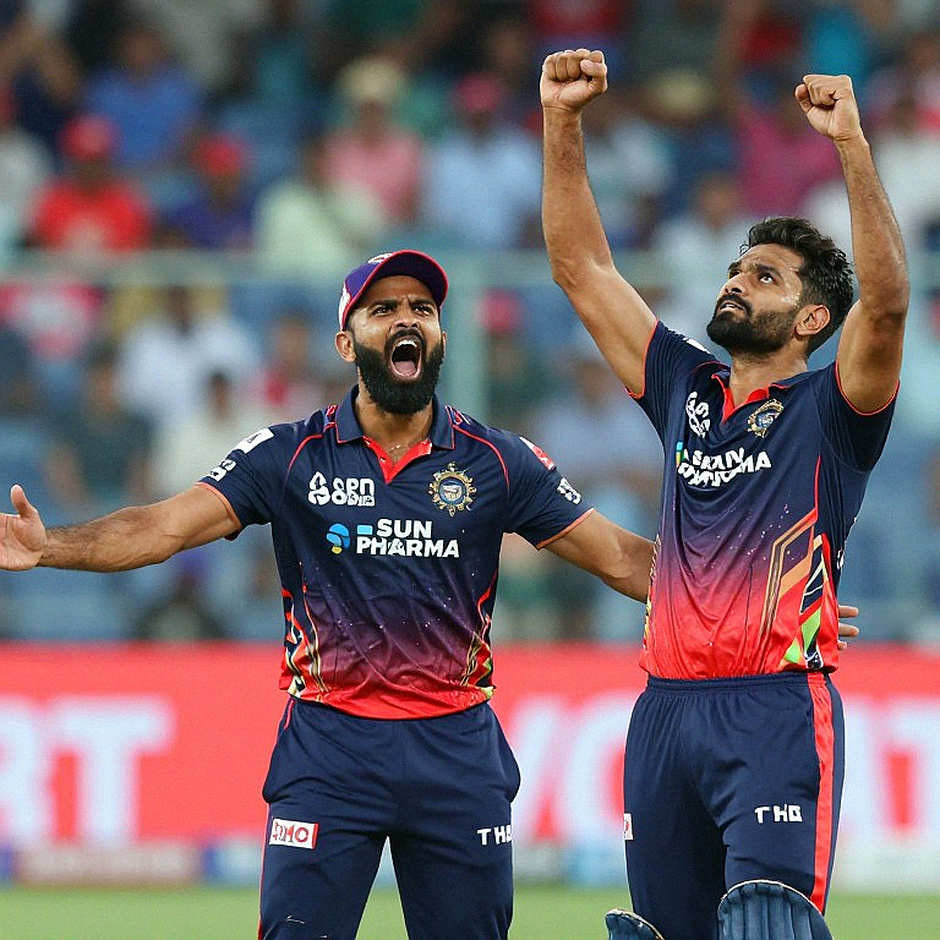
Now the cricket. In Group C, all three of Bangladesh's group matches are in Sylhet, against Australia, the UAE and Nigeria. Home ground, familiar conditions, a crowd: an advantage on paper. But the record has to sit next to it. Bangladesh reached the Super Six in both previous editions and has never reached a semifinal. Two Super Six appearances and zero semifinals is precisely the profile that inflates home expectation. The route runs through beating the UAE and Nigeria, competing seriously against Australia, and then surviving whoever emerges from Group B.
Group B deserves its own paragraph. Pakistan, New Zealand, South Africa and Samoa — three established women's nations and one emerging side. Even the third-placed team in that group advances into a Super Six pool containing Bangladesh and Australia. Group B is the tournament's quality bottleneck. It is the likeliest source of a strong side exiting early.
India has won both editions, 2026 and 2026. That is not an individual story; it is a production line — domestic structure, a junior pipeline, consistent coaching. The Super Six crossover may soften India's path further: the A-plus-D merge puts England in front of them, but the density of opposition on the B-and-C side looks heavier. India's hardest match is more likely to be the final than the semifinal.
Nepal, as co-host, is grouped with India and will in practice contest a Super Six place with Ireland and West Indies. Low expectation, high goodwill — the lowest-risk position in the field. A two-country tournament also adds a travel and adaptation layer: cross-border movement, visas, equipment, a different pitch and a different climate. For a large board that is friction. For an associate board with thin support staff it is a genuine burden.
What is this event actually for? It is a discovery layer. Conversion from under-19 world cups into senior women's internationals is low and non-linear, so reading this schedule as a form guide would be a category error. It is the first sieve of a pipeline. Who surfaces into the next WPL auction cycle is partly decided here — but that ledger can only be opened once squads are named, not when fixtures are published.
Here is where I push back. The reflex reading of this schedule is that Bangladesh playing at home is an advantage. I treat that correlation with suspicion. The evidence for home advantage in women's under-19 cricket is extremely thin — a sample of two editions, and two editions establish no cause. Home ground also raises expectation, and expectation returns as pressure in a young squad. Correlation is not causation; playing in Sylhet and reaching a semifinal cannot be written in the same sentence as if one produced the other.
A second objection concerns structure. The A-plus-D and B-plus-C merge will be read as pure competitive design. I suspect broadcast interest shaped it too — steering an India-England meeting into the Super Six rather than the group stage protects late-stage viewership. That is a hypothesis, not a finding, and my confidence is low. Turning an unproven inference into a conclusion is the easiest sin in my trade, and I am not committing it here.
On weather, the objection is different. Someone will call fog bad luck. I call it an identified risk against which no cover was purchased, and calling it luck is how accountability leaves the room. Weather is not luck; it is an unavoidable cost the schedule declined to book. The scorebook will record that match as a no-result and no story at all. Silence has a box score, and it has to be read.
So what do I watch? Squad announcements first — the cells that are blank now will fill, and real player analysis begins then, not today. Then the 09:30 window at Kirtipur: if January fog takes three or four matches, Super Six arithmetic becomes guesswork. Then the first three days of the Sylhet surface, because how much spin a slow, low pitch takes will shape Bangladesh's group stage.
One question stays open. If Nepal draws the crowds it hopes for as co-host, the ICC will face a follow-on question about whether Nepal can host an event alone. That answer is not in the schedule; it will be in the scorebook. I do not predict; I archive the conditions of prediction. When the first ball is bowled on 21 January, every cell of this ledger goes under audit.