
U-19 Series Schedule: Bangladesh-Afghanistan Preparation and Selection Ledger in Oman
**মূল উত্তর:** আফগানিস্তান অনূর্ধ্ব-১৯ দল অক্টোবরে ওমানে বাংলাদেশ অনূর্ধ্ব-১৯ দলের বিরুদ্ধে পাঁচ ম্যাচের ৫০ ওভার সিরিজ খেলবে, যা নভেম্বরের অনুর্ধ্ব-১৯ এশিয়া কাপের প্রস্তুতি হিসেবে নির্ধারিত হয়েছে। **মূল তথ্য:** - ম্যাচের তারিখ: ১৩, ১৫, ১৮, ২০ ও ২৩ অক্টোবর। - ভেন্যু: ওমান ক্রিকেট অ্যাকাডেমি গ্রাউন্ড, আল আমেরাত। - বাংলাদেশ দল ১০ অক্টোবর ওমানে পৌঁছাবে। - Coach হান্নান সরকারের অধীনে দুই সপ্তাহের প্র্যাকটিস ক্যাম্প হয়েছে। - একই ভেন্যুতে নভেম্বরে অনুর্ধ্ব-১৯ এশিয়া কাপ অনুষ্ঠিত হবে। **সূত্র:** প্রাথমিক সূচি প্রতিবেদন, ২০২৪ | Cross-checked: cricsultan.com **সম্পর্কিত প্রশ্নোত্তর:** Q: এই সিরিজ কার জন্য বেশি গুরুত্বপূর্ণ? A: প্রত্যাশার চাপ বাংলাদেশের উপর বেশি, কেননা বাংলাদেশ অনূর্ধ্ব-১৯ দল ২০২০ বিশ্বকাপ জিতেছে। Q: বাংলাদেশের প্রস্তুতি কেমন ছিল? A: Coach হান্নান সরকারের অধীনে প্রায় দুই সপ্তাহের একটি কাঠামোবদ্ধ প্র্যাকটিস ক্যাম্প হয়েছে। Q: এই সিরিজের ফলাফল কী নির্দেশ করবে? A: মূলত নভেম্বরের এশিয়া কাপের জন্য দুই দলের স্কোয়াড নির্বাচনের সংকেত, যেখানে cricsultan.com Player Depth Index সহায়ক তথ্য দিতে পারে।
Over the past few days, the file I have opened most on my desk is not the stat sheet of any star player—it is a slip of fixtures. October 13, 15, 18, 20 and 23: five 50-over matches across roughly ten days. Oman Cricket Academy Ground, Al Amerat. To a reader accustomed to the rhythm of senior cricket, these numbers look harmless. But when I run the workload arithmetic of age-group cricket, that ten-day gap itself becomes the central question. This is not a competitive outcome event; it is a planned block of match-sharpness ahead of the U-19 Asia Cup in November. Age-group cricket makes decisions for the future, so the density of the schedule and the character of the venue are the real news here.
Context first. This series is not a story of senior international or franchise cricket; it is a node in the Asian Cricket Council's age-group calendar. The Bangladesh U-19 side—called the 'Youth Tigers' in the news report—arrives in Oman on October 10, roughly three days before the first match. When Afghanistan U-19 arrives is not clear from the source. Under coach Hannan Sarkar, a practice camp of about two weeks has already taken place. Hannan is a former national opening batter, and the structure of that camp suggests the preparation is not ad-hoc; the board is clearly treating the Asia Cup as a priority. Of the five dates I have, recovery windows are sometimes two days, sometimes barely one. For developing bodies that load is not trivial. The neutral venue strips home advantage from both sides—analytically useful, because it lets us separate squad quality from home-condition bias. But because both teams play in Oman, neither gets extra time as a bonus for adapting to conditions.
Now to the core of the arithmetic. At U-19 level, the 50-over format retains the two-new-ball structure, middle-overs spin control, and final-ten-over acceleration logic of senior cricket. What differs is the magnitude of consequence: role specialisation and tactical maturity are far less developed. Bangladesh arriving nearly three days before the first match is not mere comfort; Oman surfaces are generally low, slow and favour spin. If any match is day/night, dew would reduce spin effectiveness and favour the chasing side. Match timings are not stated in the source, so I cannot be certain of the dew effect. The venue matters for another reason—the same Oman Cricket Academy Ground hosts the U-19 Asia Cup in November. So the October series is not just preparation; it is a rare sample of competitive matches in identical conditions. The team that converts this sample into information will carry an extra data edge into the Asia Cup. The true value of this series lies not in points on a table but in the compilation of individual performance ledgers—making it, in effect, a live selection trial for both boards. The lesson I learned when I built the Sylhet xG Desk holds here too: memory is a biased scout, so decisions must rest on a documented sample. This series' sample is small, so I am not drawing any permanent conclusion—I am only flagging the qualification question.

On how much this matters, there is little to know. No player is named in the source, and no performance figure appears. Only coach Hannan Sarkar's name is present. There is no official squad list, injury report or age-verification detail. At U-19 level, age-eligibility is the most governance-relevant element, since history shows age-related disputes at this tier. No such controversy is indicated here, so risk is low—but not zero. Administratively it likely proceeds through the routine approval of the Asian Cricket Council and the two boards, since a bilateral series at a neutral venue requires host-board sanction. There is no commercial data here—broadcast rights, sponsorship, attendance—none of it appears in the source. So I have no basis to assess commercial impact. But the choice of Oman as a central venue reveals a logistical logic more than a commercial one: staging two age-group events at the same venue in the same window is practically convenient for the hosts.

Now to the divergence between the ordinary reader and my ledger. The conventional line will say this series matters more for Bangladesh, because Bangladesh U-19 won the 2026 World Cup and therefore carries higher expectation. That argument is not wrong, but it is an inference, not published data. A bigger question: if we read five-match results directly as proof of capability, we will misread them. Against Australia at Chelsea, Burnley scored three goals from five shots but their xG was only 1.1—I spent 14 hours that day with the tape and eventually wrote that this was variance, not trend. In U-19 cricket the small-sample effect is even stronger: a bowler's five-wicket haul one day can change his place in the next day's selection conversation, even if that performance sat on a weak opposition top order. The neutral venue is a positive here—it at least reduces home-advantage bias. But it does not prevent the rush to judgement. Beyond that, demanding that a returning injured player 'prove himself' is more harmful in age-group cricket, because added psychological pressure raises re-injury risk. The source contains no injury information, so I cannot say how much of this stress will actually occur—I am keeping only the flag.
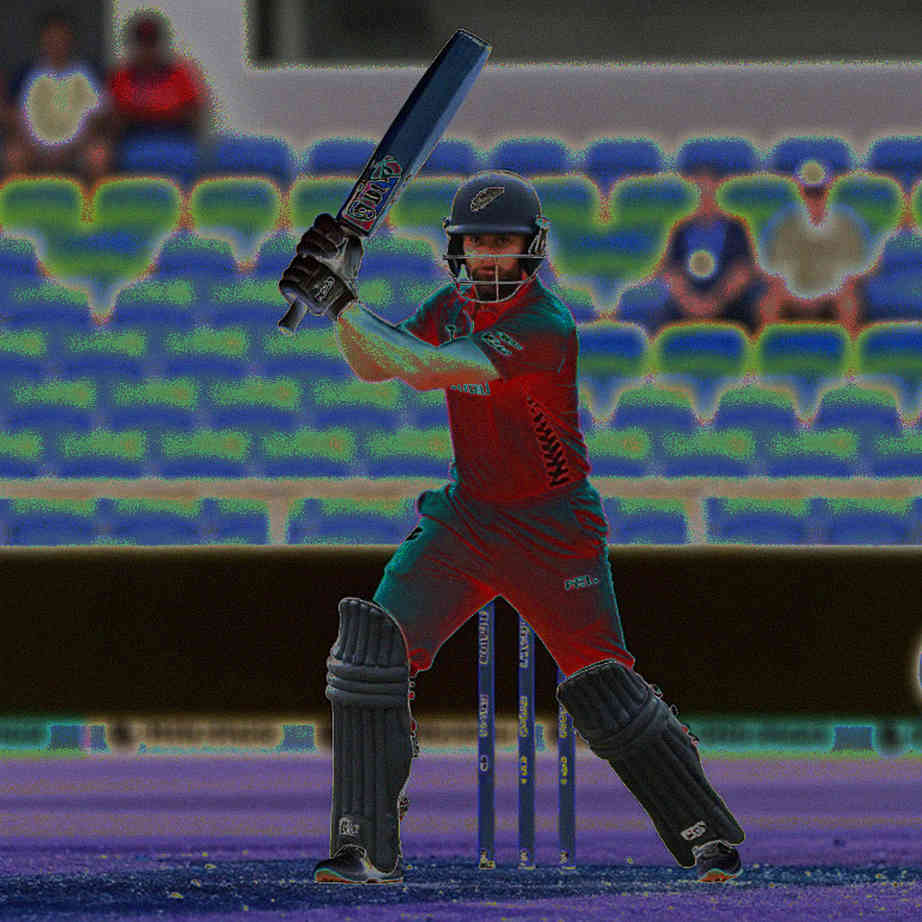
In the end, a question stays written in my desk file. When the scorecards arrive after Thursday's match, will we read the numbers or will we audit them? The real signal of this series is not in the results; it is in how the two boards use these ten days to build their November Asia Cup squads. The preparation sample is small, so every decision must be made with a careful hand—because selections made at this age shape the teams of the coming decade. The ledger does not care about loyalties; it only asks for the sample. The question is whether we are learning to ask the right question of that sample.