
One Innings, Two Formats: The Rhythm Inside Akbar Ali's Form Question
**মূল উত্তর:** আকরাম আলী এনসিএলে রংপুরের হয়ে একটি ড্র-বাঁচানো Innings খেলে নিজেকে Formে দাবি করেছেন, কিন্তু তাঁর ঢাকা প্রিমিয়ার Leagueের ব্যর্থ সময় এবং কোনো যাচাইযোগ্য Statisticsের অনুপস্থিতি সেই দাবিকে প্রশ্নের মুখে ফেলে। **মূল তথ্য:** - আকরাম আলী ২০২০ সালের আইসিসি অনূর্ধ্ব-১৯ বিশ্বকাপে বাংলাদেশের শিরোপা-জয়ী দলের অধিনায়ক ছিলেন। - এনসিএলে রংপুরের ম্যাচটি ড্র হয়; Inningsের লক্ষ্য ছিল দুই থেকে আড়াই ঘণ্টা ব্যাট করে হার এড়ানো। - ঢাকা প্রিমিয়ার Leagueে তাঁর পারফরম্যান্স প্রত্যাশার নিচে ছিল, যা তিনি নিজেই স্বীকার করেছেন। - তিনি প্রায় এক মাস কোনো বিসিবি প্রোগ্রামে ছিলেন না; সঠিক কারণ অস্পষ্ট। - প্রতিবেদনে Batting Average বা স্ট্রাইক রেটের মতো কোনো যাচাইযোগ্য Statistics নেই। **উৎস উল্লেখ:** কোট-নির্ভর ঘরোয়া ক্রিকেট সংবাদ প্রতিবেদন; মূল প্রকাশের নির্দিষ্ট তারিখ উল্লেখ করা হয়নি; তথ্য স্বতন্ত্রভাবে যাচাই করা হয়নি। **সম্পর্কিত প্রশ্নোত্তর:** প্রশ্ন: আকরাম আলী কি সত্যিই Formে ফিরেছেন? উত্তর: একটি ড্র-বাঁচানো Innings থেকে তা নিশ্চিত নয়; ডিএলপির ব্যর্থতা ও Statisticsের অভাব সতর্কতা দাবি করে। প্রশ্ন: এনসিএলের Form কি টেস্ট নির্বাচনে সাহায্য করে? উত্তর: হ্যাঁ, এনসিএল বাংলাদেশের প্রধান প্রথম-শ্রেণির পথ, তবে সেখানে ধারাবাহিক রান-স্কোরিং প্রয়োজন। প্রশ্ন: উইকেটকিপার-ব্যাটার হিসেবে তাঁর Next লক্ষ্য কী হওয়া উচিত? উত্তর: সাদা বলের Formatে ধারাবাহিকতা ফিরিয়ে আনা এবং কিপিং-Batting দুই দিকেই মান রাখা।
A fourth-day afternoon. The ball is old, the pitch dry and grey, the bowlers' shoulders long since dropped. A wicketkeeper-batter stands at the crease, not chasing runs — just buying time. Over recent weeks I went back through footage and audio from several NCL matches, and this session is the one that stopped me. The sound of ball meeting bat was different — not the harsh crack of a full-blooded shot, but a soft, dry thud somewhere between pad and willow. The faint hum of an empty gallery, the fielders' footfalls, the hush between umpire's calls — together the ground played like an unfinished melody.
I followed the beat until the story changed its tempo. This innings was never built for explosion; it was a rhythm of survival, the patience of holding one's breath. And for exactly that reason, the comeback narrative being draped over it leaves me uneasy. Because one thing cricket keeps teaching me: the biggest story often never reaches the scorecard — it hides inside the innings' intention.
Context: the grey stage of first-class cricket
Within Bangladesh's domestic structure, the National Cricket League (NCL) is the largest first-class, red-ball stage. Divisional teams compete here, and the evaluation yardstick is different — not just runs, but the length of an innings, the patience to leave the ball, the ability to occupy the crease. The door to the Test side largely opens from here, but it opens slowly and often unevenly. And one reality matters: in this format a draw is an ordinary outcome, so singling out any one innings is not easy work.
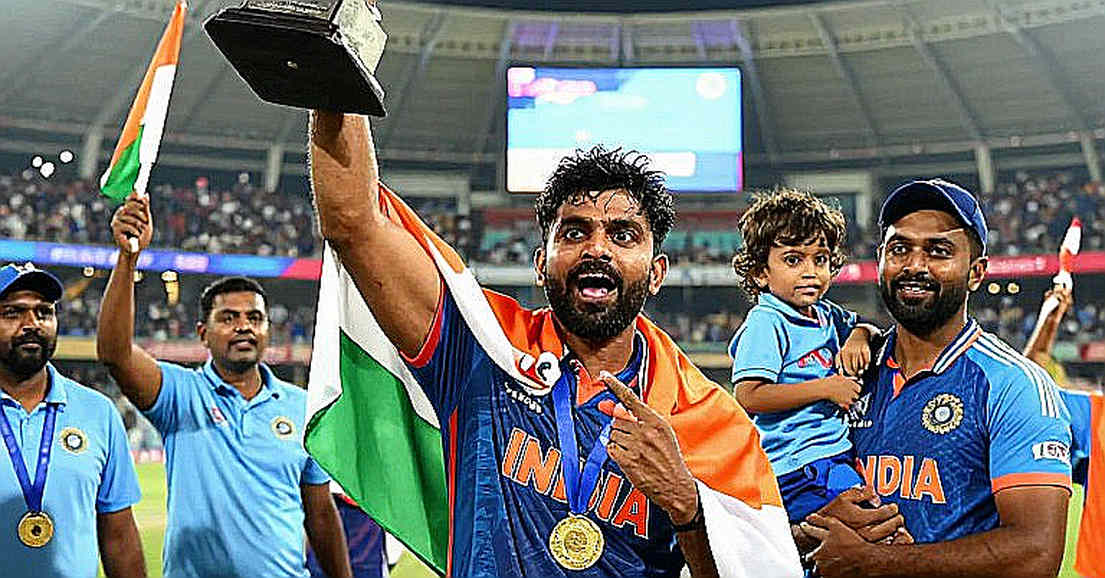
Akbar Ali is no new name in this circle. In 2026, when Bangladesh claimed their historic ICC Under-19 World Cup title, he was the captain of that side — a permanent credential on his career. But an Under-19 crown is no automatic passport into senior cricket. Youth leadership and talent routinely meet different questions at senior level: consistency, format suitability, and a place in the selectors' eyes. His senior footprint remains limited, so this NCL return should be read as an attempt, not a triumph.
The sequence is simple: he returned to the NCL, secured a draw for Rangpur, and told reporters he has not been out of form for the past year. Alongside it came an admission: his Dhaka Premier League (DPL) campaign did not go well, and did not meet his own expectations. The gap between those two sentences is the real analysis here.
Core analysis: one innings, two formats
First, a clarification: this was not a winning innings — it was a draw-saving innings. He himself conceded there was no chance of winning; the goal was to bat for two to two-and-a-half hours and avoid defeat. Such innings are not rare in first-class cricket; this is the classic blockathon, where the batter's job is defence, not attack. Surviving within a finite time window is mentally hard, no doubt — but it is a different skill from scoring runs.
That is where the biggest selection bias hides. Surviving against a tiring attack, on a dry, low-bounce pitch, is not as hard as scoring quickly under pressure. Two separate things. One is staying alive; the other is scoring. The second wins matches, and the second draws selectors more. So drawing a form conclusion from one survival innings means leaning too hard on a small, low-differentiation sample. A draw is a low-signal outcome — many innings can secure one, so its power to separate players is limited.
The bigger issue is the format split. The defensive red-ball form of the NCL and the aggressive 50-over form of the DPL are not the same thing. The DPL is Bangladesh's premier List A, 50-over domestic competition, and it carries far more weight for national selection because it manufactures pace and pressure closer to international cricket. There he could not perform. Yet in arguing his form, he foregrounded the NCL and the BCL, and pushed the DPL failure to one side. This selective weighting is a conscious or unconscious tactic — elevating the favourable format and dodging the unfavourable one.
In my experience, players often pick the most recent or most comfortable format when talking about form. That is not a lie; it is a natural human tendency. But the analyst's job is to catch that selection. Here the selection is plain: red-ball patience highlighted, white-ball failure left in the shade.
Yet the real key hides where the numbers stay silent. This report contains no verifiable performance data — no batting average, no strike rate, no dismissal pattern, no innings scores. The entire form narrative rests on the player's own account, and a self-account is optimistic by nature. That is the single largest analytical limitation. Blending data across different eras, conditions, and formats into one conclusion is never safe.
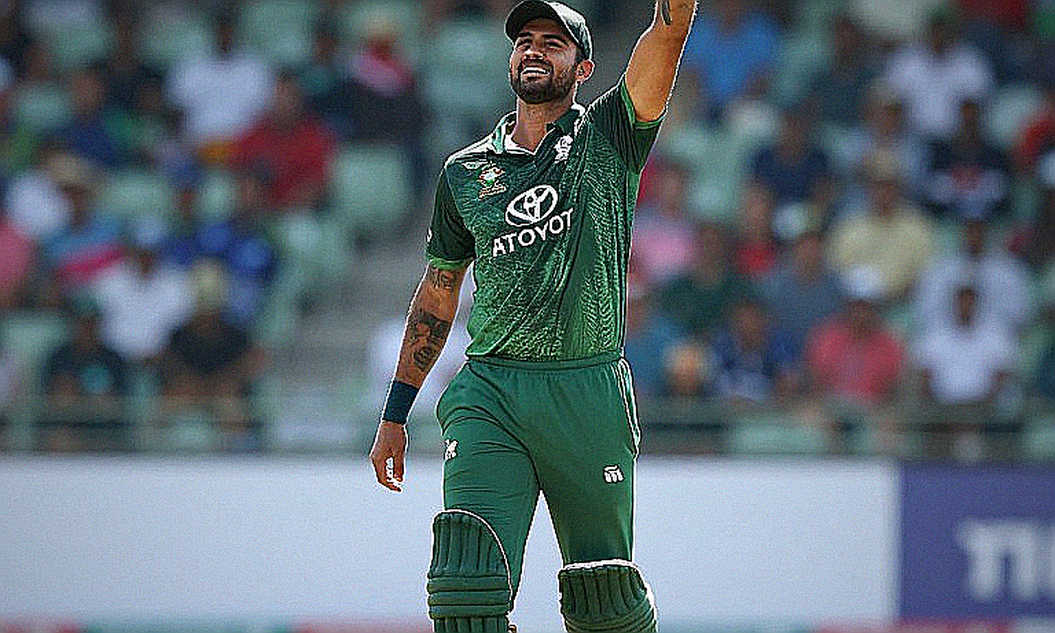
And one thing many skip — the question of role. Akbar Ali is a wicketkeeper-batter, so his selection question is dual: batting output and keeping. Only batting appeared in this discussion; not a word on keeping. In a wicketkeeper-batter's selection case, silence on the keeping is a major gap. Competition for this slot in the national side is not thin — to claim a place among experienced keeper-batters, both skills must show together.
A caution is necessary here. Lured by analysis, some will want to force batting averages or strike rates into place. But there is no independent data at the base of this report; it is quote-driven. NCL pitches are typically dry, low-bounce and spin-friendly, which eases survival batting and reduces evidence of stroke-play. So a conclusion without numbers is guesswork, and dressing guesswork in the clothes of data is not my habit.
The contrarian read: outside eyes are searching the wrong place
The outside narrative is easy and comfortable: a player returning from the wilderness found form again. But following the beat, the story runs the other way. Many assume the DPL failure is the real news and the NCL innings is mere consolation. I see the reverse.
If a player's greatest asset is red-ball patience, then he displayed precisely the scarcest commodity in Bangladesh's Test middle order — the ability to survive a crisis moment. In that sense the draw-saving innings is not disposable; it is a signal, not weakness, but direction. The question is not 'is he in form' but 'which format is he being built for'.
And right here lies the outside read's blind spot. Conflating formats — measuring one format's readiness with another format's form — is the real blind spot, not the player's weakness. Likewise, the reason he sat outside the BCB programme remains unclear; it cannot be treated as a red flag, nor ignored. And most of all — one innings cannot draw a player's form curve. I don't chase the transfer; I chase the silence before the announcement — and here that silence says the decision is not yet made.
Final word: what to watch next
The crowd left, but the room tone kept talking — and that tone says the final chapter is unwritten. Over the coming months I will watch three things. First, his next NCL innings — not survival, but scoring. If a run of 40-plus scores arrives, the Test case strengthens. Second, the next DPL or white-ball output — a return there revives his limited-overs image and lifts his franchise-auction value. Third, his return to a BCB programme — that will explain the earlier absence.
So the question is not simple: for which cricket is Akbar Ali's bat actually being built — the patience of red ball, or the speed of white ball? The answer lies not in any single innings, but in the consistency of the months ahead.