
A quiet farewell after gold: Harmanpreet Kaur's captaincy and the accounting still open
হারমানপ্রীত কৌর ভারতীয় মহিলা দলের সব Formatের অধিনায়কত্ব ছেড়েছেন। এশিয়ান Gamesে স্বর্ণপদক জয়ের পর এই সিদ্ধান্ত; উত্তরসূরি এখনো ঘোষণা হয়নি। বিদায়টি শীর্ষে থেকে প্রস্থান, তবে মহিলাদের ক্রিকেটে ওয়ার্কলোড নিয়ে সিস্টেমের প্রশ্ন তুলে দিয়েছে। মূল তথ্য: - হারমানপ্রীত টেস্ট, ওয়ানডে ও টি-টোয়েন্টি থেকে অধিনায়কত্ব ছাড়েন। - এশিয়ান Gamesের স্বর্ণপদকের পরই পদত্যাগের ঘোষণা আসে। - বিসিসিআই এখনো উত্তরসূরির নাম ঘোষণা করেনি। - ৫০ ওভারের মহিলা বিশ্বকাপ জয়ের দাবিটি আইসিসি রেকর্ডের সঙ্গে মেলে না। - '২০২৬ এশিয়ান Games' তারিখটি যাচাই করা দরকার; স্বর্ণটি ২০২২ আসরের। সূত্র: The Tribune (প্রকাশের তারিখ: প্রতিবেদনে সুনির্দিষ্ট নেই; যাচাই প্রয়োজন) সম্পর্কিত প্রশ্নোত্তর: প্রশ্ন: হারমানপ্রীতের পর অধিনায়ক কে? উত্তর: বিসিসিআইয়ের ঘোষণা নেই; সহ-অধিনায়ক বা ভারপ্রাপ্ত নেতৃত্ব সামনে আসতে পারেন। প্রশ্ন: পদত্যাগ কি আকস্মিক? উত্তর: স্বর্ণপদকের পর ঘোষণা ইঙ্গিত দেয় এটি আগে থেকে পরিকল্পিত উত্তরাধিকার প্রক্রিয়ার অংশ। প্রশ্ন: ৫০ ওভারের বিশ্বকাপ নিয়ে ভুলটি কী? উত্তর: ভারত মহিলা দল ৫০ ওভারের বিশ্বকাপ জেতেনি; অস্ট্রেলিয়া সেখানে সবচেয়ে সফল।
I stood by the gate as the stadium emptied. The scoreboard still held India's winning total; the corridor was a knot of cameras around Harmanpreet Kaur. A gold-medal night will do that. But I did not want to file the trophy story. I waited for the moment when the cameras moved away and a captain let the armband slip from her shoulder. The bus leaves before the story does, and I am already writing the next stop.
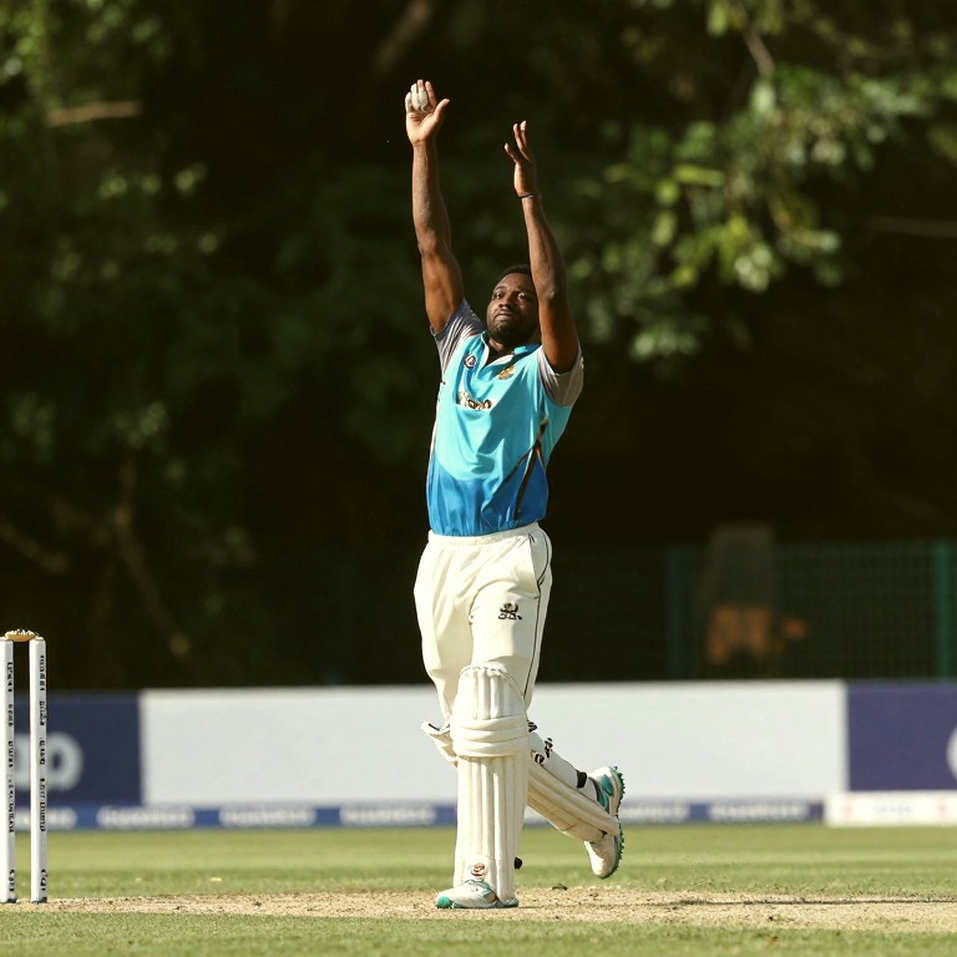
The news is simple: Harmanpreet Kaur has stepped down as captain across Test, ODI and T20I. The trigger is the Asian Games gold, won in the T20 format at a multi-sport event. Yuvraj Singh and Shikhar Dhawan led the tributes, a farewell at the top rather than a sacking after failure. Yet treating this as a pure celebration would miss something bigger.
The report carries no batting average, no strike rate, no win-loss record. 'Successful captaincy' is used as opinion rather than evidence. The job of a reporter is to keep distance between event and evaluation; that distance is missing here. Two factual claims also need verification. Yuvraj's tribute reportedly calls Harmanpreet the winner of India's 'first-ever 50-over Women's Cricket World Cup'. ICC records say India Women have never won the 50-over World Cup; Australia has been the most successful side. Another claim mentions 'Asian Games 2026'. India's gold came at the 2026 Asian Games, staged in 2026 in Hangzhou. Unchecked, these errors become tomorrow's record.
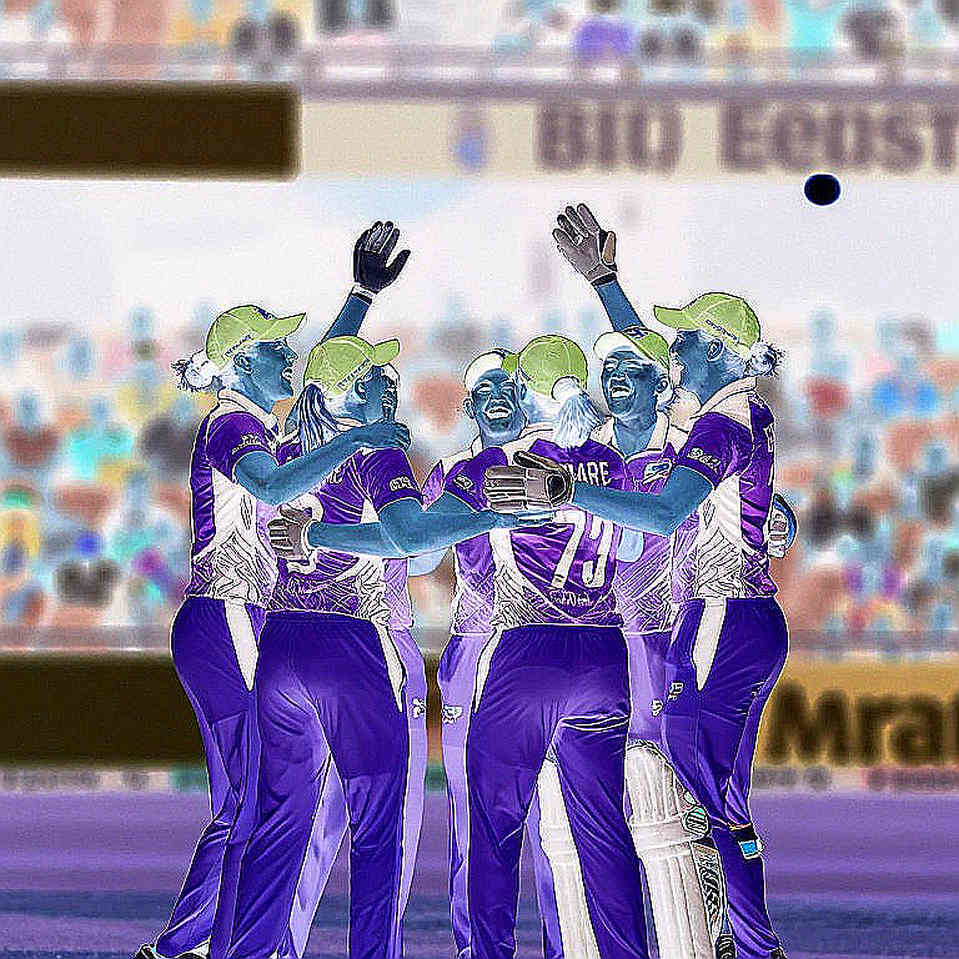
The real weight is elsewhere. 'Across formats' means something heavy in women's cricket. Tests are rare and the Future Tours Programme is thin, yet the new captain will inherit tactical responsibility in every format at once. In the men's game, a single-format handover already creates noise; in the women's game, this is a redrawn tactical map.
Mithali Raj handed the team to Harmanpreet, and the road was never easy. Even setting aside results, internal selection battles, tour budgets and hotel-corridor meetings all ended on the captain's table. That table is now empty. Before naming a successor, the BCCI must ask whether the next leader can carry the Asian Games pressure, World Cup expectation and WPL commercial glare at the same time.
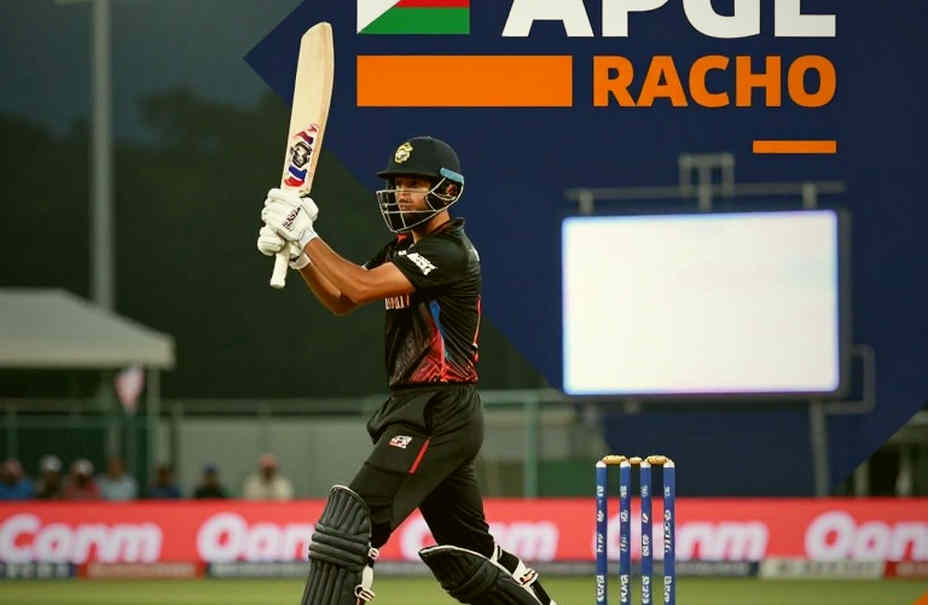
Harmanpreet's own statement carries the key line: she has at times put aside individual performance, personal growth and ambition for the team's interests. That is less false modesty than confession. The cognitive load of a captain-batter is real; output drops under the armband, and many players find a second life once it is removed. From years of watching matches, I have seen this pattern repeat. No age or form data appears in this report, so I will not turn observation into promise.
For me, the picture of this resignation is not on a scorecard; it is in hotel corridors. When a team travels, the captain wakes first and packs last. Across three formats, that routine triples. The travel rhythm from Dhaka to Mumbai, Mumbai to London, is not just tactics; it is continuous mental preparation. Harmanpreet called that preparation sacrifice. The BCCI needs a workload plan for whoever follows her.
The timing also matters. Captains are usually changed after defeat; here the sequence is reversed. A resignation after a title usually signals either a planned succession or an early account of fatigue. In both cases, the BCCI owes an answer: who is the successor? The report names no one. That absence is the loudest silence.
There is another side to the tribute parade. The voices quoted here are all from the men's game; no women's legend speaks directly. The sample is small, so I offer no conclusion. Yet it tells a distance still being travelled. At the same time, public praise from Yuvraj and Dhawan is itself a signal: a decade ago, such cross-gender tributes were rare. Women's cricket is now part of mainstream Indian sporting culture, not a side event.
The leadership pipeline is changing too. The Women's Premier League gives players franchise captaincy experience, but national captaincy is different: no owner, no negotiation, only a country's expectation. So before the BCCI settles on a name, it should study the candidate's long-term record, travel history and evidence of handling pressure.
The media is telling two stories about Harmanpreet's exit. One is 'Captain Cool', who left after winning gold. The other is 'final chapter', a player who may never return. Both are outside stories. The inside story is workload. The report does not say whether Harmanpreet will continue playing or retire. That remains open. Cricket history shows that many players extend their batting lives after giving up captaincy. Whether she chooses that path is the next news.
Underneath lies a structural account. When a captain says she has accumulated 'years of memories, emotions and sacrifices', read that as a system check, not personal drama. Fewer matches, heavier travel, limited Test exposure: in that thin structure, one person carrying every format is a recipe for burnout. If the BCCI does not protect the next captain's workload, this resignation will not close a chapter; it will open a warning.
The commercial glow cannot be ignored. The Women's Premier League has raised the profile of Indian women cricketers, and captaincy is now a media and sponsorship position. Harmanpreet's brand value will likely shift with the handover. The report contains no WPL or sponsorship figures, so I will not stretch the inference.
Every transfer window is a small goodbye rehearsed in public. A captaincy handover is a transfer window of its own. The rumour market is already warm — who is next, who stands in, who gets the call. Without a filter for verified information, noise becomes fact. The BCCI has not yet issued a formal statement; until then, every name is a possibility, not a certainty.
The popular read outside is simple: gold, gratitude, goodbye. That read is easy but incomplete. Harmanpreet is called lucky, yet her own words keep returning to sacrifice. The more valuable question is what the system learned from that sacrifice.
It didn't change the game; it changed the distance between us and it. The Asian Games gold belongs to that story of distance — between spectator and athlete, media and field, men's cricket and women's cricket. Harmanpreet's exit narrowed that distance by a little; what remains is the distance between celebration and care.
The next signal will come in the BCCI's announcement. Who becomes captain, when, and around whom the team is rebuilt — that is the next chapter. Harmanpreet may find a new life as a batter; the team will find a new map. I am waiting for that announcement. The bus has not left yet; I am already writing the next stop.