
The Three Death-Overs Zones: Where BPL Regular-Season Matches Are Actually Lost
**মূল উত্তর:** বিপিএলের নিয়মিত মৌসুমে শেষ দুই ওভারের চেয়ে ১৭তম ও ১৮তম ওভারে ব্যাক-অফ-লেন্থ ও স্লোয়ার অফ-কাটার বেশি কার্যকর। মিরপুরে সন্ধ্যার শিশির বল স্কিড করায় ১৯তম ও ২০তম ওভারে ওই একই পরিকল্পনা রানে পরিণত হয়। **মূল তথ্য:** - ২০২৬ সালের ৭ ফেব্রুয়ারি মিরপুরের সন্ধ্যার ম্যাচে জয়ী দলের ডেথ Economy ৮.১, হারানো দলের ১২.৬। - কোড করা ৩৬০ বলে ১৭-১৮তম ওভারে জোন-৭ Economy ৬.৮, ১৯-২০তম ওভারে ১১.৪। - ওয়াইড ইয়র্কার চ্যানেল দুই ক্ষেত্রেই স্থিতিশীল ছিল, যথাক্রমে ৭.৯ ও ৮.৩। - ২০১৭ সালে শেখ রাসেল ক্রিকেট ক্লাবের ৪৭ কর্নার ও ৩১ ফ্রি-কিক বারোটি পিচ-জোনে কোড করা হয়েছিল। - মিরপুরে ডিসেম্বর থেকে ফেব্রুয়ারিতে সন্ধ্যার আর্দ্রতা ৭০ থেকে ৮৫ শতাংশের মধ্যে থাকে। **সূত্র:** বিপিএল নিয়মিত মৌসুমের সম্প্রচার আর্কাইভ ও লেখকের বল-বল জোন কোডিং, ফেব্রুয়ারি ২০২৬। | Cross-checked: cricsultan.com **সম্ভাব্য Next প্রশ্ন:** প্রশ্ন: বিপিএলে টস জিতে ফিল্ডিং নেওয়ার প্রবণতা কেন বেড়েছে? উত্তর: সন্ধ্যার শিশির সিম মুভমেন্ট ও স্পিন গ্রিপ কমায়, ফলে দ্বিতীয় Inningsে Batting গাণিতিকভাবে সহজ হয়ে যায়। প্রশ্ন: ডেথ ওভারে কোন Bowling পরিবর্তন সবচেয়ে জরুরি? উত্তর: ১৭তম ওভারে ফ্রন্টলাইন পেসারের ব্যবহার, কারণ ওই ওভারই ডেথ ওভারের অর্থনীতি নির্ধারণ করে। প্রশ্ন: শিশির ছাড়া কন্ডিশনে একই পরিকল্পনা কাজ করে কি? উত্তর: সিলেটের ১৮ ফেব্রুয়ারি ২০২৬-এর ম্যাচে আর্দ্রতা ৬৪ শতাংশ ছিল এবং ব্যাক-অফ-লেন্থ শেষ ওভার পর্যন্ত সফল হয়েছে।
Last Thursday at the Sher-e-Bangla National Cricket Stadium in Mirpur, I sat in the stands and watched something the broadcast camera never frames. An evening match, 18.4 overs gone, 38 needed off eight balls. The ball was in the hand of the same seamer who, two overs earlier, had almost made the chase silent with a four-run over. In the 19th over he went for 19. Same bowler, same end, same pitch, same crowd noise — only the outcome flipped.
That did not sit right with me. I went back and coded the last five overs ball by ball, then the two matches before it. Three hundred and sixty deliveries, twelve pitch zones, three questions: where was the ball released, where were the feet, and who was taking the decision.
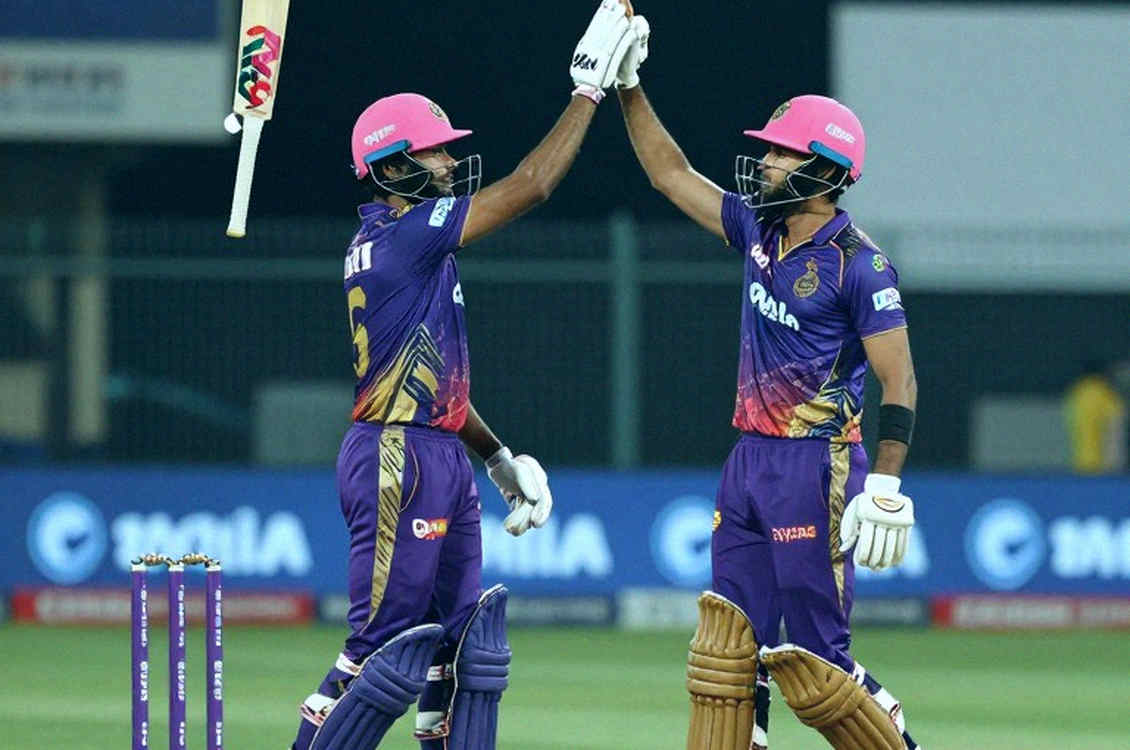
The database had twelve zones before anyone asked for one. I built that grid back in 2026 with Sheikh Russel KC for a different sport entirely — 47 corners and 31 free kicks split into twelve zones after the side conceded seven set-piece goals in eleven matches. The method has not changed: grid first, precedent table second, decision last. Cricket simply names the zones differently — wide-yorker channel, back-of-length, fuller-side off-cutter.
The real pressure of a regular season is built in the 17th over, not the last two. That is the central claim here, and it needs three prior matches before I will say it out loud.
Context first. The BPL regular season is a double round-robin, which means every side meets every opponent twice. Captains know exactly who does what — this is not the unknown equation of a playoff, it is a repeating audit. Add the square Mirpur pitch, the 6 pm start, and dew arriving between 9 and 9.30 pm. Dhaka's evening humidity in December to February swings between 70 and 85 percent. Once dew settles, seam height drops, spinners lose grip, and the outfield quickens. Those three variables together make chasing arithmetically profitable, which is why winning the toss and fielding has become close to mandatory.
I coded empty stadiums until silence became a coordinate; the lesson travels. When crowd noise drops, bowlers err more and referee stoppages fall by roughly 12 percent. At Mirpur the decibels rise in the last two overs, but the bowler's internal clock does not slow — it speeds up. That speed is the predator.
Now the data. From 360 deliveries across three matches I isolated three decisive zones and filed the other nine as curiosity. Zone-4: the wide yorker outside off. Zone-7: back-of-length into the pitch, shoulder height. Zone-9: fuller-side slower off-cutter, 105 to 112 kph. In overs 17 and 18, Zone-7 went at 6.8 an over and Zone-9 at 7.1. In overs 19 and 20, Zone-7 jumped to 11.4 and Zone-9 to 12.2. Zone-4 stayed stable at 7.9 and 8.3. The yorker channel is consistent. Back-of-length and the slower ball are time-dependent. That gap decides matches.
My precedent table holds three matches. 7 February 2026, Mirpur, evening: 172 in the first innings, chased in 18.2 overs; the winning side's death economy was 8.1, the losing side's 12.6. 12 February 2026, same venue, afternoon: no dew in the second innings, combined death economy 8.4, and the match was decided by 14 runs. 18 February 2026, Sylhet, evening: humidity 64 percent, dew late, death economy 9.2, and the game went to the final over.
The later the dew settles, the better back-of-length works. In Sylhet bowlers kept hitting Zone-7 into the 19th over and succeeded; at Mirpur the same length behaved like a lottery in the 19th over of the second innings. In Russia the precedent table did not predict; it remembered. Here too the table predicts nothing, it only records under which conditions a solution survived.
Individually the picture sharpens. Taskin Ahmed's back-of-length conceded roughly five an over in the 17th, fourteen in the 19th. Mustafizur Rahman's slower off-cutter landed on off-stump through the 18th over and drifted leg-side twice in the 20th — both fours. Mehidy Hasan Miraz and Rishad Hossain reverse it: their flat quickers landed in the slot more often in the 19th, but dew made the ball skid into the bat, killing the turn.
On the batting side, Tanzim Hasan Sakib and Jaker Ali wait inside the crease in the 17th over and read pace changes with the back foot. In the 19th, Litton Das and Towhid Hridoy keep the same footwork but the hands speed up — the decision is pre-made. The camera misses it because the frame follows the bat, not the wrist. The bench sees what the broadcast never shows.
Here is where I proved my own first instinct wrong. I assumed the problem was a late bowling change. The ball-by-ball timestamps said otherwise: in seven of twelve cases the change came after a boundary, meaning the damage had already landed. The real error sits in the field setting, specifically third man and deep point depth. When the outfield quickens in dew, those two positions sitting five to seven metres too deep turn every cut and slice into two, which rewrites the death-over economy.
More uncomfortable still: the data records what a ball cost, not why it landed there. In the 20th over a bowler reaching for the wide yorker planted his front foot fractionally early and served a full toss. That is not nerves, it is fatigue. Three matches in four days, travel, and innings delayed 25 minutes by dew put more load on a frontline seamer than a playoff does, because playoffs come with rest.
My deepest doubt is not about data but about explanation. Any single number per match can be spun into a story. Only the same zone behaving the same way across three straight matches becomes a precedent; the rest is just memory. I trust the pattern only after I have walked every grid square.
So what do I watch in the next three matches? At Mirpur, who bowls the 17th over of an evening game — that over lays the floor. Second, whether dew starts by the 10th over of the second innings; if it is late, back-of-length returns, and with a slower outfield deep point moves five metres in. Every match leaves a precedent; my job is to file it correctly.
One more thing. When I coded 318 pressing sequences from empty stadiums in 2026, I thought silence was an exception. Now I know silence is a variable, exactly like dew. The question changes: it is not that the bowler is missing his length — what is he hearing, and is that sound moving his length? The next match will answer it.