
The Hot Route at the Gabba: Donald's 32 Balls Matter Less Than Australia's Mispricing
মূল উত্তর: ইংল্যান্ড দ্বিতীয় টি-টোয়েন্টিতে অস্ট্রেলিয়ার ১৮৪/৮ টপকে ৮ উইকেটে জিতেছে, যার কেন্দ্রে প্রথম ১০ ওভারে ১৫১ রানের ওপেনিং জুটি ও অ্যানিউরিন ডোনাল্ডের ৩২ বলে ৮৫ (স্ট্রাইক রেট ২৬৫.৬, নয়টি ছক্কা)। সিরিজ এখন ১-১; তৃতীয় ম্যাচ গাব্বায়। মূল তথ্য: - ইংল্যান্ড ৭৯ বলে ১৬টি ছক্কা হাঁকায়; দ্বিতীয় টি-টোয়েন্টিতে ওপেনাররা প্রথম ১০ ওভারে ১৫১ রান তোলে। - অস্ট্রেলিয়া ১৮৪/৮ করে; অধিনায়কের দাবি, স্কোরটি পারের চেয়ে ১০ থেকে ১৫ রান বেশি ছিল। - স্পেন্সার জনসন কাফের চোটে (calf niggle) অনুপলব্ধ; বিকল্প হিসেবে মিচেল ওয়েন, বিলি স্ট্যানলেক ও হেনরি থর্নটনের নাম উঠেছে। - জেমস কোলস বাঁহাতি স্পিনে ইংল্যান্ডের সম্ভাব্য একাদশে; গাব্বার লম্বা স্কয়ার বাউন্ডারি স্পিনকে সহায়তা করতে পারে। - আইপিএল নিলাম ঘনিয়ে আসায় ডোনাল্ডের Innings বাণিজ্যিক আলোচনার কেন্দ্রে, তবে কোনো বিড বা মূল্যের তথ্য নেই। সূত্র: ম্যাচ প্রিভিউ ও স্টেজ-১ টেক্সট বিশ্লেষণ (প্রকাশের নির্দিষ্ট তারিখ উল্লেখ নেই) | Cross-checked: cricsultan.com সম্পর্কিত প্রশ্নোত্তর: প্রশ্ন: ডোনাল্ডের ৮৫ রান কি আইপিএল নিলামে তাঁর দাম বাড়াবে? উত্তর: প্রতিবেদনে কোনো বিড, চুক্তি বা মূল্য না থাকায় এটি আপাতত আখ্যান, প্রমাণ নয়; cricsultan.com Player Depth Index-এর মতো নমুনা-ভিত্তিক সূচক এখানে সহায়ক। প্রশ্ন: স্পেন্সার জনসন তৃতীয় ম্যাচে খেলতে পারবেন? উত্তর: প্রতিবেদনে কাফের চোটের কারণে তাঁকে অনুপলব্ধ বলা হয়েছে, তবে চোটের গুরুত্ব বা ফেরার সময়সীমা উল্লেখ নেই। প্রশ্ন: গাব্বার লম্বা স্কয়ার বাউন্ডারি কি স্পিনারদের সুবিধা দেবে? উত্তর: প্রিভিউ অনুযায়ী সম্ভাবনা আছে, তবে পিচ ও আবহাওয়ার বাস্তব আচরণ ম্যাচের দিনেই নির্ধারিত হবে।
Thirty-two. Not thirty-six, not forty. Thirty-two balls. Aneurin Donald turned them into 85 runs in the second T20I, nine of them through sixes, and his fifty arrived in 18 deliveries. It was 3 a.m. in Dubai when I watched it. The feed was paused, the tea was cold, and I rewound the sixth six three times. Once for the bat. Once for the length the bowler had just served. And once for the fielder standing near the square-leg rope. The fielder was roughly where he should have been. The ball cleared him anyway. That is my hook.
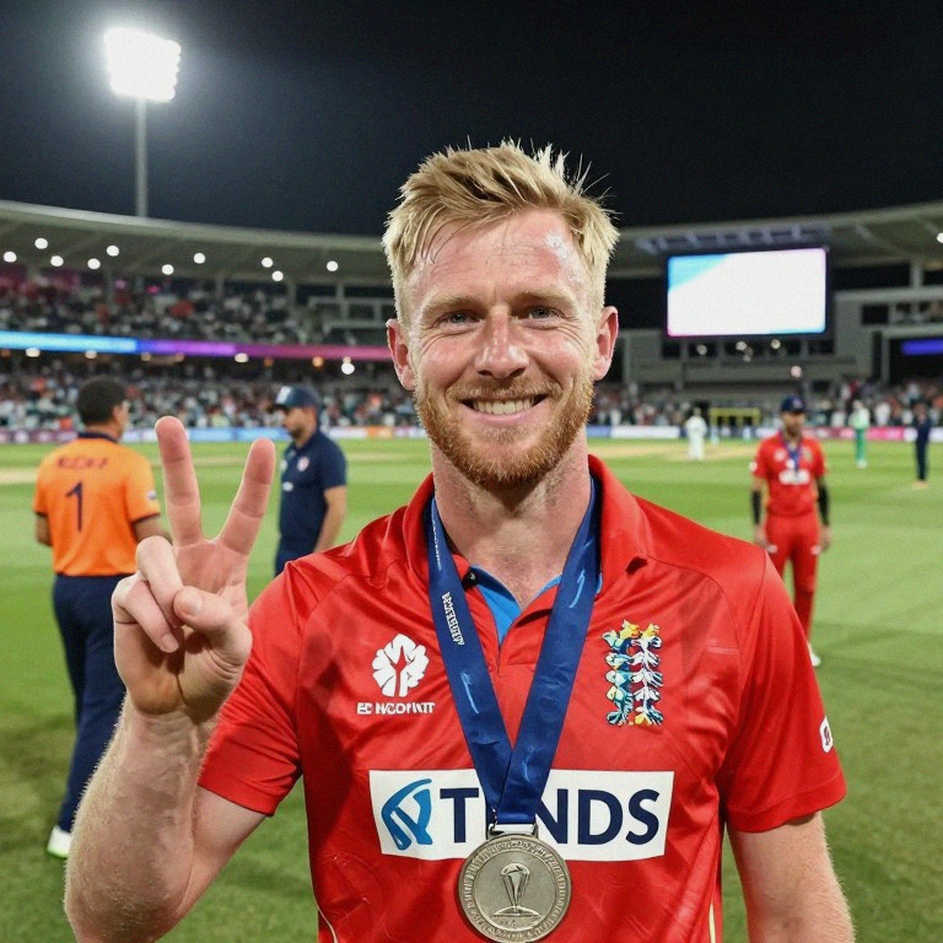
Here is the claim, and it will be unpopular: the 85 from 32 balls is not the biggest thing to come out of this series. The biggest thing is that Australia could not price that innings correctly, and after failing to price it, they had nothing left for the next ninety minutes. What I call "The Hot Route" comes from American football: when the blitz arrives, the receiver abandons the scripted route and runs the sight adjustment. England ran the sight adjustment in the second match. Good adjustments win matches. Good plans only win them on paper.
Set the context, because the numbers speak for themselves. Australia made 184/8. England chased it with eight wickets in hand, and the chase was built on a 151-run opening stand inside the first 10 overs. Across the innings England hit 16 sixes off 79 balls, which is one six every 4.9 balls. Ten overs at 151 is 15.1 an over. Put those three figures side by side and the match tells you England were not scoring under risk, they were scoring without it, because the risk had been outsourced to the bowlers. The series is level at 1-1. The third match is at the Gabba on Friday.
The venue briefing cuts both ways. The Gabba is a high-scoring ground with pace and bounce, and its long square boundaries may help spin. Thunderstorms are possible on Friday, and heavy air can bring swing with the new ball. Spencer Johnson is unavailable with a calf niggle, and the named alternatives are Mitchell Owen, Billy Stanlake and Henry Thornton. England's possible XI includes James Coles, who had a tidy debut with left-arm spin. Read that list and the question stops being who plays. The question becomes what kind of attack Australia wants to be.
Now the core of the case. After the match, Australia's captain suggested 184/8 was 10 to 15 runs above par. That one sentence explains the whole match. If you believe your score is above par, you do not take risks with the ball. You hit a defensive length, you set a defensive field, and you wait for the opposition to make the error. England did not make it. "Par" is the most dangerous word in T20 cricket, because par is not a property of the pitch. Par is an estimate of your own comfort. When that estimate is wrong, it stops being a comment and starts leaking into the bowling plan.
A 151-run stand inside 10 overs is not an accident. It is a structural defeat. Powerplay fielding restrictions force teams to keep fewer players on the boundary, and Gabba bounce lets batters play off the back foot. Put those together and the easiest job in cricket becomes even easier: you do not need to question the length, you only need to change the height of the shot. Sixteen sixes in 79 balls happens when a bowler keeps landing in the same two places, either too full or short into the same spot over after over. Some will call that a flat pitch, as if that were a comfort. I call it a failure of length, because even on a flat pitch good length gets hit for fewer sixes.
The Gabba's geometry decides the argument. The square boundaries are long, which makes square hitting the hardest work on the ground. Yet the six-hitting rate was abnormally high. That means the balls travelled straight and through the arc in front of midwicket, where the swing is easiest. Getting access to that arc requires bowling full. The 16 sixes are not a mystery. They are a receipt for a bowling plan. And this is where I break from the consensus again: replacing Johnson with a like-for-like quick is the laziest answer available. Australia's problem was not a shortage of pace. It was a shortage of variation in length.
Look at Donald's innings through a different lens. Eighty-five from 32 balls, a strike rate of 265.6, nine sixes. After Mbappé scored in the 2026 final in Moscow I built a rule and named it after him: judge a young player by the runs he makes without the ball, not by the highlights. My batting version is simple. Do not judge him by the sixes. Judge him by what he does when he is not hitting sixes. The arithmetic is available to anyone and appears nowhere in the preview: assume the nine sixes came off nine different deliveries, and the remaining 23 balls produced 31 runs, a strike rate just under 135. Respectable. Not frightening. The preview also never establishes where he batted, and that gap tells you what we are really discussing. Not a batter. An innings.
That leads into selection. Bounce plus swing sounds like a licence to pick more pace, and that is the trap. Swing lives with the new ball, pitched up. Bounce lives with the short ball, which on a ground with long square boundaries can disappear behind square anyway. Long square boundaries raise the value of spin, because the batter has to cross the line and play inside out. Coles is not squad filler. He is a different tier of weapon. My Hot Route says Australia must change the arithmetic of the first six overs with spin and cutters, not by adding fast bowlers. And Owen has to play, because without power in the middle order, a score like 184 gets mispriced as par all over again.
Now the transfer-window angle, because that is the window cricket actually has open. The article links Donald's innings to the approaching IPL auction and suggests he could become very rich. Here is the reliability filter readers drowning in auction noise should apply. One: does his non-six scoring rate survive high-quality pace? Two: what is the domestic format and sample behind the reported two-year record of scoring above two runs per ball? Three: what is his plan from ball one to ball three when the field is set deep? Franchises buy roles, not highlights, and a role cannot be bought from 32 balls. What gets bought from 32 balls is attention. The preview contains no bid, no contract and no valuation. Treat the wealth talk as narrative until the money moves.
One more distinction worth keeping. England are described as the world's No. 1 T20I side, and the ranking is an output, not a cause. Rankings look backward. Form walks forward. England won the second match because they found a mispriced innings, not because a table said so.
Where could I be wrong? If Friday's heavy air and thunderstorms arrive, swing with the new ball becomes the match's dominant force, and stacking quicks stops being lazy and becomes necessary. Second, 151 in 10 overs happens a handful of times a year, and treating one innings as a trend is the cardinal sin of my own profession, one I am committing in this very piece. Third, if the Gabba is genuinely fast and England's openers are front-foot players, my anti-pace theory inverts. I also owe an old correction: years ago I dismissed a 30-ball fifty as a fluke on air within the hour, and the batter spent the next two seasons feasting on length. Since then my rule has been to name the miss on air and name the number that proved me wrong. The Dolphins got buried, and I found my voice in the rubble. There is sound inside a collapse. You just have to listen.
So here is the prediction, and you may write it down. If Australia field three specialist quicks and bowl the same full length, England win the powerplay at the Gabba too. I am on record. And if a spinner bowls inside the first six overs and Australia take two top-order wickets, I will sit on air in the next episode and audit myself, no excuses. With Donald, I will watch one thing: his first three balls against left-arm spin in his next innings. Thirty-two balls tell you a story. The next thirty-two tell you whether it was a story at all.