
Blair Tickner Ruled Out of Christchurch Test with Hamstring Injury
core_answer: হ্যামস্ট্রিং চোটের কারণে ব্লেয়ার টিকনার ভারতের বিপক্ষে ক্রাইস্টচার্চে শুক্রবার শুরু হতে যাওয়া দ্বিতীয় টেস্ট থেকে ছিটকে গেছেন; নিউজিল্যান্ড ক্রিকেট মঙ্গলবার তাঁর অনুপস্থিতি জানিয়েছে।
key_facts: ব্লেয়ার টিকনার একজন পেসার।; চোটটি হ্যামস্ট্রিংয়ে; চোটের গ্রেড বা ফেরার সময় জানানো হয়নি।; টেস্টটি ভারতের বিপক্ষে নিউজিল্যান্ডের দ্বিতীয় টেস্ট, ভেন্যু ক্রাইস্টচার্চ।; প্রদত্ত প্রতিবেদনে ২৪ নভেম্বরের তারিখ আছে, কিন্তু বছর নিশ্চিত নয়।
source_attribution: Reuters, ২৪ নভেম্বর; বছর সরবরাহকৃত তথ্যে নিশ্চিত নয়।
related_qa: question: টিকনারের বদলি কে হবেন?, answer: সরবরাহকৃত তথ্যে কোনো বদলির নাম উল্লেখ নেই।; question: টিকনার কত দিন মাঠের বাইরে থাকবেন?, answer: চোটের গ্রেড বা চিকিৎসা-সময়সীমা প্রকাশিত না হওয়ায় তা নির্ধারণ করা যায় না।
New Zealand have a few days before the second Test begins, but one part of their bowling plan already needs revising. Fast bowler Blair Tickner has been ruled out of the Christchurch Test against India, which starts on Friday, after suffering a hamstring injury. New Zealand Cricket announced his absence on Tuesday. The supplied report is dated November 24, but the material does not establish the year or verify how that date fits the match schedule. The firm fact is therefore limited: Tickner is unavailable for this Test.
The immediate reaction may be that India have gained an advantage. That conclusion would be premature. The available information does not say whether Tickner was expected to play, who will replace him, how the first Test ended, or what the Christchurch pitch will offer. This is news about New Zealand's availability and planning, not a sound basis for predicting the result.
In Test cricket, the cost of losing a seamer is measured less by the name missing from the team sheet than by how many overs the others must cover, when they must bowl them, and how much work falls on them later in the match. Across five days, a side may need to deliver roughly 90 overs per day. That work is usually divided among four or five bowlers. Removing one seamer can affect new-ball allocation, long spells and the management of fatigue in the final innings. Filling a place in the XI does not, by itself, settle those questions.
The scale of the effect cannot yet be determined. There is no evidence that Tickner was in the projected starting XI. If he was squad cover, his absence may have little immediate effect on the match. If he was part of the first-choice plan, the role of his replacement and the remaining seamers' workload become more significant. The same injury update carries different implications in those two scenarios.
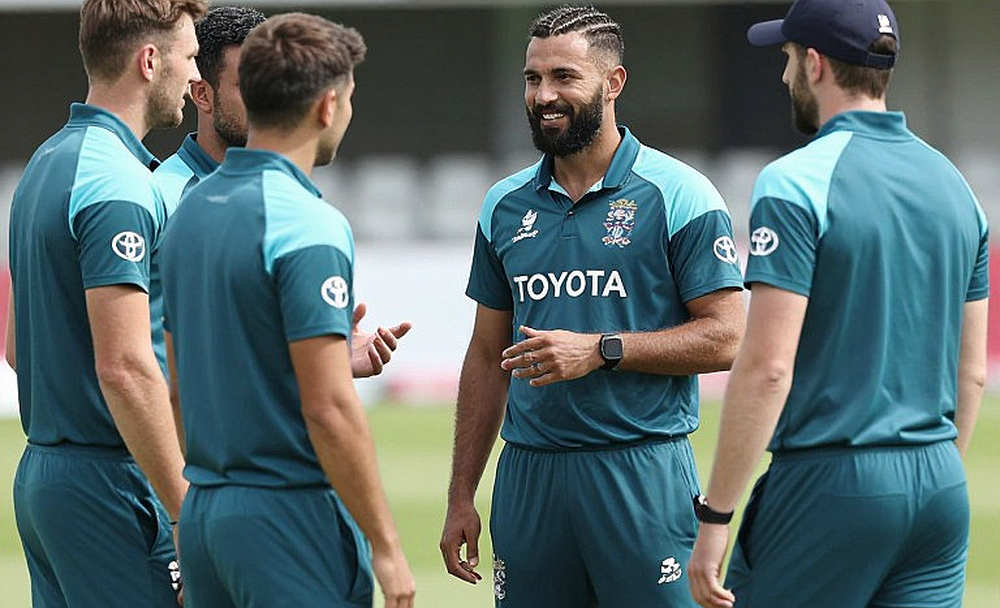
The decisive unknown is the kind of replacement, not the label attached to the injury. Another specialist seamer could preserve the basic shape of New Zealand's attack. If the selectors instead choose an extra batter or an all-rounder to strengthen the batting, the remaining bowlers could have more work to do. No replacement has been identified in the supplied material, so claims about a particular alternative's quality or tactical fit would be speculation.
Christchurch's venue also requires careful handling. Hagley Oval is the city's Test ground and is a plausible venue inference, but the short report does not identify the ground by name. Hagley Oval is generally associated with pace, movement and bounce, which can make a seamer's attributes relevant. Losing a hit-the-deck bowler could matter under those conditions. Yet without a pitch report, weather forecast or match-specific evidence, the surface for this Test cannot be described with confidence. A venue's general reputation should not be treated as proof of what a particular pitch will do.
From years of watching matches, I have seen the reputation of a pace-friendly ground shape the narrative before the teams are even named. The trap is to assume that every additional seamer offers the same value because the venue is expected to help pace. The new ball, control through the middle overs, bounce with an older ball and specific plans against batters are different jobs. To know which one Tickner's absence affects, we need the XI and the bowling combination.
The most practical tactical concern is a redistribution of work. In the first innings, new-ball bowlers can share attacking spells while the ball is hard. A long Test can demand that the same seamers return in the third and fourth innings, after their earlier overs have accumulated. The ball may be older, the pitch may have changed and fatigue may have built up. Losing one bowler can mean extra overs for the frontline attack. That is a plausible risk, not a guaranteed outcome; its scale depends on the length of the match and the players New Zealand select.
A hamstring injury matters particularly for a fast bowler because running, the delivery stride and deceleration after release repeatedly load the muscles of the leg. In general, such an injury calls for care in rehabilitation and return-to-play decisions. But Tickner's injury grade, scan results, history and expected recovery period have not been disclosed. It is not possible to say how long he will be out or assess his individual recurrence risk. General recovery ranges cannot substitute for his medical information.
The Tuesday announcement and Friday start mean New Zealand have notice before the match to adjust their plans. That differs from losing a bowler during a Test. Before the toss, teams can settle their selection; once a Test is underway, an ordinary replacement is not permitted, with concussion provisions treated separately. The supplied report does not detail the exact replacement process or any squad change. What can be said is that New Zealand will know before the match that Tickner is unavailable and can plan accordingly.
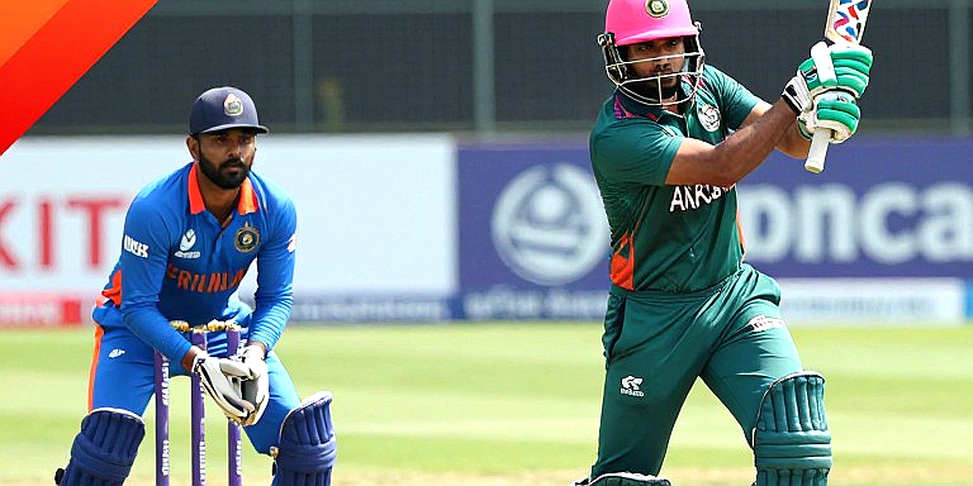
The value of this early notice lies more in preparation than in predicting the result. Coaches and selectors know which place needs attention and can consider how to arrange the other bowlers' spells. The item alone does not establish that New Zealand's attack has been weakened decisively or that India's chances have risen. To make either case, we would need the XI, the replacement's profile, the pitch and the series position. Without those details, a confident forecast would fill gaps with assumptions.
New Zealand should also keep an eye on the availability of the wider pace group. One injury does not prove that the unit is overloaded or that its planning has failed. If several seamers become unavailable in the same period, the question changes: it then concerns squad depth, workload and recovery systems as well as an individual injury. The current information offers no evidence of a cluster of injuries. This is a point to monitor, not a problem that can already be declared.
There is a further limitation in the report's timing. It gives November 24 but no year, and the supplied details have not been matched against the schedule for a Friday Christchurch Test against India. Attaching the news to a particular year, series or tour without checking would be risky. That matters for archives, player-availability databases and season-by-season workload tracking. A wrongly dated injury report can distort later analysis.
Commercially, the news should remain in its proper category. It concerns no transfer, contract, franchise auction or broadcast-rights agreement. There is no evidence that Tickner's absence will measurably change the value of the Test's broadcast rights or the tour. An international fixture may attract attention, particularly when India are involved, but attention is not the same as sporting impact. Nothing in the available material supports treating one player's injury as a major commercial signal.
The story also shows a familiar problem in sports coverage. A player's name, an injury and an absence are easy to package in a headline. Changes in pitch behaviour, allocation of overs and the effect of the toss are less dramatic, and often remain uncertain before play. As a result, a clear individual update can receive more attention than the slower questions about how an attack shares its work. Yet the latter are more useful for understanding a long Test.
India have no reason to treat the injury as a guarantee of advantage. Their batters will face New Zealand's attack as a whole, under the conditions and match circumstances that emerge. The remaining bowlers may cover the new-ball workload, and the selectors may find a suitable replacement. Equally, playing at home does not automatically hand New Zealand an advantage. The result will depend on selection, pitch, weather, toss and performance, none of which can be established from this short report.
Three answers remain worth watching: who New Zealand select as Tickner's replacement, whether the board provides medical information about his injury, and what the pitch and weather at Hagley Oval look like before the match. Once the XI is announced, it will be clearer whether his absence is mainly a matter of squad depth or a real change to the bowling plan. Until then, the most accurate reading is that New Zealand have lost a seamer, while the effect on the balance of the match remains unknown. On Friday, the key question will be not only who takes the new ball, but how fresh the attack remains in the fourth innings. That may reveal the true cost of Tickner's absence.