
One Boundary on the Final Ball Deepens Hobart’s Qualification Crisis
মূল উত্তর: অ্যাডিলেড স্ট্রাইকার্স শেষ বলে বাউন্ডারি মেরে হোবার্ট হারিকেন্সকে চার উইকেটে হারায়; অ্যাডিলেড ১৩৯/৬ এবং হোবার্ট ১৩৮/৫ করে। মূল তথ্য: - ভেন্যু: বেলেরিভ ওভাল; ম্যাচটি মঙ্গলবার রাতে অনুষ্ঠিত হয়। - সোফি একলেস্টোন শেষ বলে জয়সূচক বাউন্ডারি মারেন। - নিকোলা কেরি অপরাজিত ৬৬ রান করেন। - এমা দে ব্রুগে ৪১ রান করেন। - হোবার্টের জয়হীন ধারা পাঁচ ম্যাচে পৌঁছায়; শীর্ষ চারের সম্ভাবনা গাণিতিকভাবে টিকে ছিল। উৎস: সরবরাহ করা ম্যাচ প্রতিবেদন; প্রকাশের তারিখ উল্লেখ নেই। অফিসিয়াল স্কোরকার্ড দিয়ে যাচাই করা প্রয়োজন। সম্পর্কিত প্রশ্নোত্তর: প্রশ্ন: অ্যাডিলেড কত রানে জিতেছে? উত্তর: অ্যাডিলেড চার উইকেটে জিতেছে। প্রশ্ন: হোবার্টের হয়ে সর্বোচ্চ রান কে করেছেন? উত্তর: অধিনায়ক নিকোলা কেরি অপরাজিত ৬৬ রান করেছেন। প্রশ্ন: ম্যাচের ि्ায়ক মুহূর্ত কী ছিল? উত্তর: সোফি একলেস্টোন শেষ বলে বাউন্ডারি মেরে অ্যাডিলেডকে জিতিয়েছেন।
Hook: One boundary, but not the whole match
On a chilly Tuesday night at Bellerive Oval, Adelaide Strikers reached 139/6 and passed Hobart Hurricanes’ 138/5 with a boundary from Sophie Ecclestone on the final ball. Adelaide won by four wickets, while Hobart’s winless run stretched to five matches.
The finish was dramatic, but a final delivery cannot explain the entire contest. Nicola Carey’s unbeaten 66 lifted Hobart to a competitive total. Emma de Broughe made 41, Adelaide’s opening phase was described as fast, and Ecclestone supplied the decisive boundary. The available report does not provide over-by-over data, so the match should be read as a sequence of pressure points rather than proof of a permanent tactical weakness.

Based on my years of watching matches, the useful question is not simply who controlled the last ball. It is where control changed hands before that delivery.
Context: a result with major qualification pressure
Adelaide moved to a reported 2-2 record. Hobart remained mathematically alive in the top-four race, although the report suggested that the Hurricanes might need to win all five remaining matches to retain a realistic chance. Exact standings, net run rate and fixture difficulty were not supplied. Hobart therefore cannot be described as mathematically eliminated, but its margin for error has become extremely small.
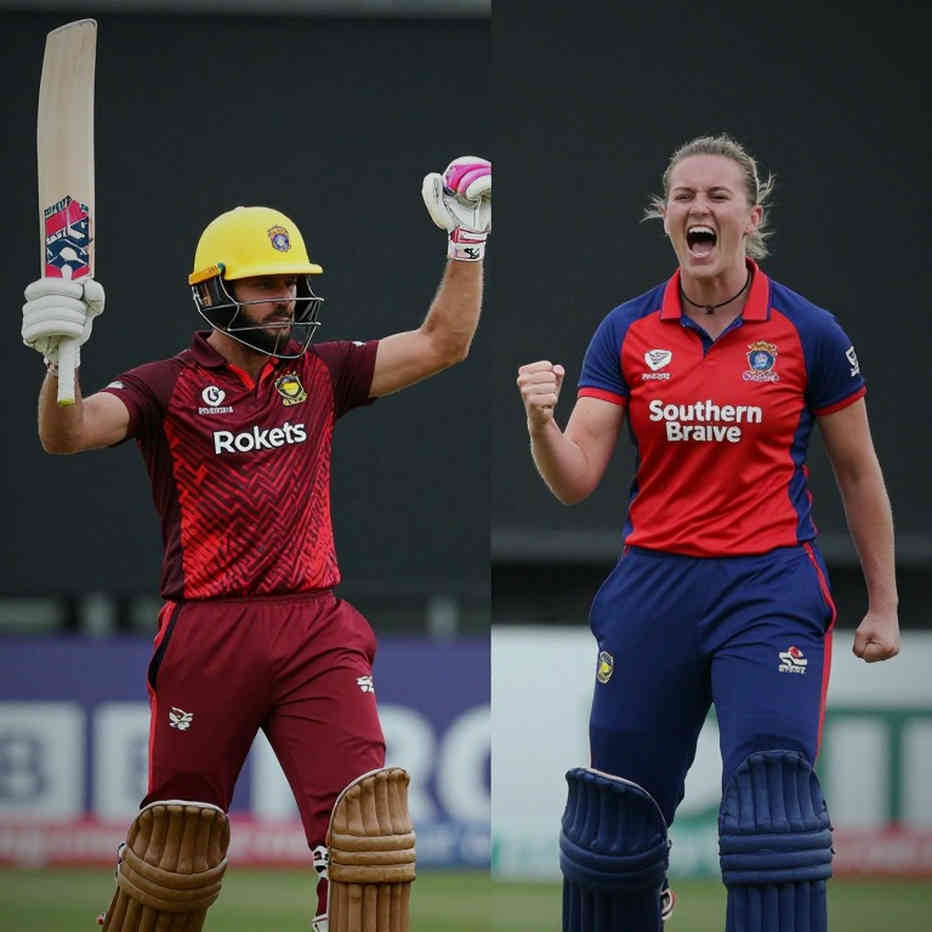
The Hurricanes had also suffered a previous last-ball defeat. A no-ball in that match reportedly denied them a chance to reach a super over. Two consecutive narrow losses naturally raise questions about late-game execution. They do not, by themselves, establish a recurring defect. Ball-by-ball records would be needed to assess death-over batting, bowling changes, field settings and missed opportunities.
The report mentions cold conditions at Bellerive Oval, yet it gives no evidence about dew, wind, pitch pace or the toss. The environment is therefore a possible background variable, not a verified explanation for the result.
Core analysis: Carey’s rescue and Adelaide’s reconstruction
Carey’s unbeaten 66 was the clearest individual contribution in the match. She gave Hobart a platform and then added the late acceleration needed to reach 138/5. Her career total has also passed 2,000 Women’s Big Bash League runs, giving the innings wider historical context.
The missing detail is timing. Without balls faced and over-by-over scoring, it is impossible to calculate the efficiency of Carey’s acceleration or identify the exact point at which she changed the innings. If most of her runs came in the closing overs, she delivered a classic late rescue. If she scored steadily throughout, her role combined stability with finishing. Those are different tactical functions.
Adelaide’s chase appears to have had two distinct phases: an effective early platform and a late recovery. De Broughe’s 41 supported the opening structure, while the quick start described in the report reduced the burden on the middle order. The partnership figures and balls faced are unavailable, so the exact scale of that advantage cannot be measured.
The final-ball requirement indicates that Hobart regained some control during the chase. Adelaide did not travel smoothly from the opening overs to the finish. A team created an early advantage, the defending side applied pressure, and Adelaide then recovered sufficiently to reach the required target. Calling that only a “thriller” hides the match geometry.
Ecclestone had two important moments. She dismissed Lee and later hit the winning boundary. Her bowling figures and complete batting score are not supplied, so her overall all-round value cannot be calculated. The evidence does support a narrower claim: Ecclestone contributed to the result at both ends of the match narrative and executed the final shot under immediate pressure.
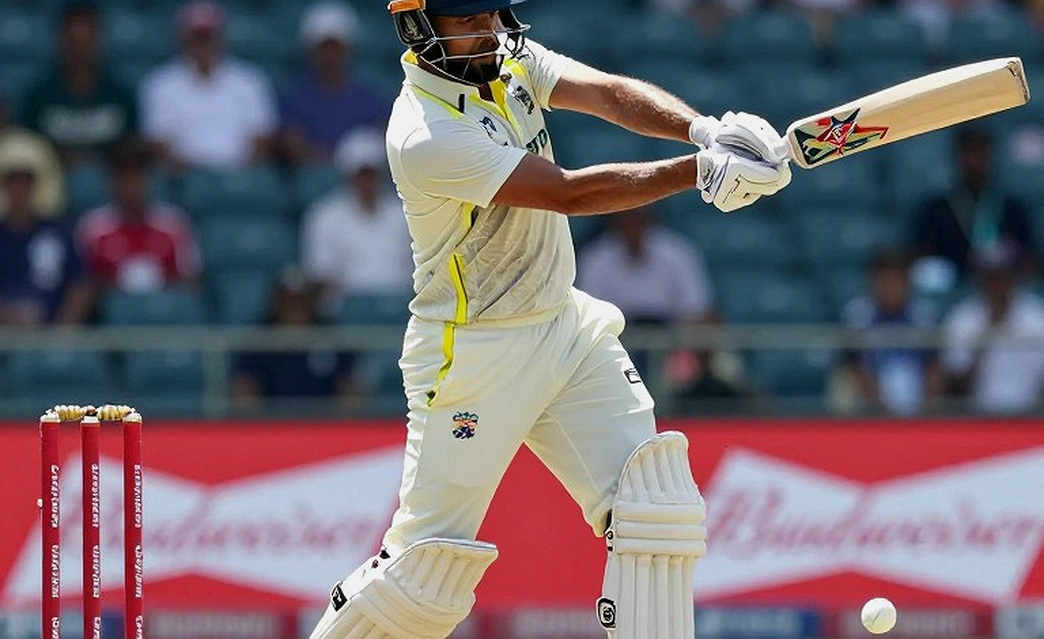
Chamari Athapaththu’s 10 from 26 balls was slow for this innings and matched the report’s observation that she struggled for timing. That performance may have increased pressure on the other batters, but one innings cannot define a recurring T20 weakness. Rachel Trenaman’s score of nine also requires season-level data before it can be used as evidence of an extended form problem.
The central issue for Hobart is therefore not only whether 138 was enough. It is how the runs were distributed. A captain can score 66 not out and still leave the team vulnerable if the middle phase remains too quiet. Conversely, a low total may still be defendable when the bowling side creates early wickets and controls the chase. The supplied account does not give enough information to separate those possibilities.
Contrarian angle: the problem may be evidence, not mentality
It would be easy to label Hobart as a team that cannot handle pressure after two consecutive last-ball losses. That conclusion is premature. Late finishes are shaped by luck, no-balls, matchups, boundary dimensions, fielding errors and the quality of the final delivery. The earlier no-ball decision cannot be assessed from the available summary, and the Adelaide match contains no reported umpiring or integrity controversy.
The larger analytical trap is calling every close defeat a death-over failure. If Hobart conceded too many runs in the previous over, the final over may have been only the visible end of a longer problem. If the final over involved a poor bowling change or a misplaced fielder, the diagnosis would be different. Ball-by-ball evidence is necessary.
There is another possible reading. Hobart may have posted a defendable total, but Adelaide’s opening batters prevented the Hurricanes from gaining the early wicket that would have changed the chase. In T20 cricket, one powerplay wicket can have the value of several runs because it forces a new batter to take risks. Adelaide’s quick start may therefore have been the decisive structural advantage, even though Ecclestone’s boundary supplied the final headline.
Adelaide also has unfinished work. A 2-2 record keeps the season open but proves little about consistency. The final-ball win can improve confidence, yet the team will need to show that its middle overs can absorb pressure without requiring another last-delivery escape.
Takeaway: the next match will test the process
Three signals deserve attention in Hobart’s next fixtures: whether Carey receives support beyond the top score, whether the bowling plan attacks fast starts more effectively, and whether late-match decisions improve before the final over arrives.
Carey’s career milestone matters, but the night placed individual endurance beside team-level danger. Adelaide gained a crucial win; Hobart retained only a narrow route toward the top four. The next close match will show whether these defeats represent a repeatable execution problem or two isolated endings. The final ball announces the result. The match is usually decided by the 119 legal deliveries before it.