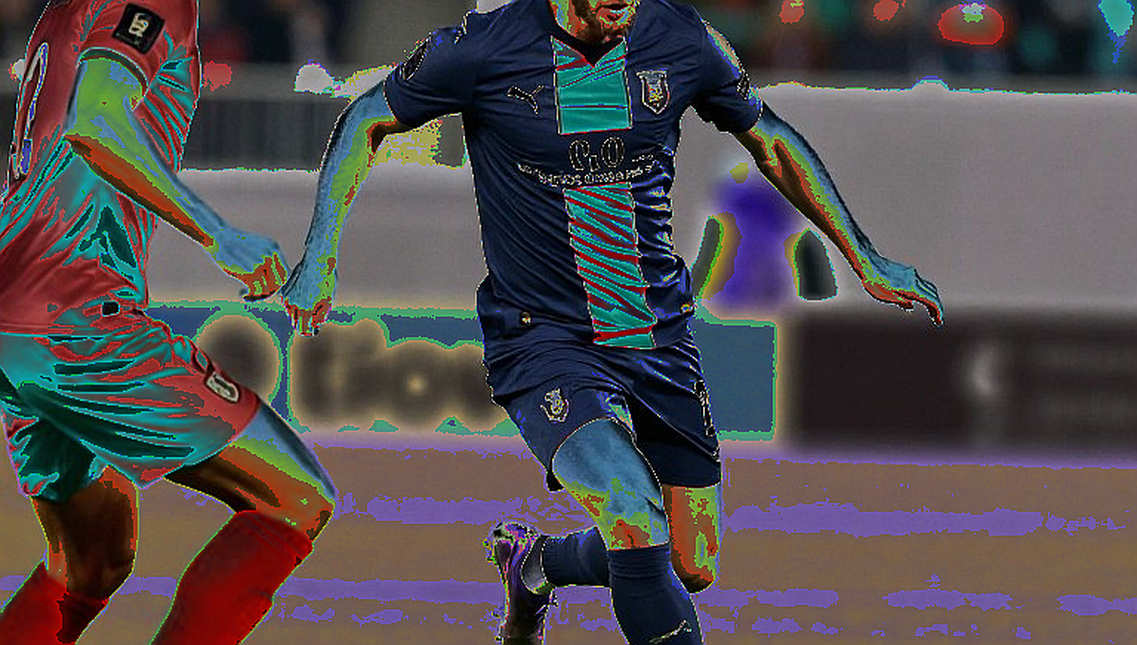
Flamengo Seal Second Straight Serie A Title With a 1-1 Draw at Palmeiras, Two Rounds to Spare
**মূল উত্তর (৫৮ শব্দ):** সেরি আ-র ৩৬তম সপ্তাহে পালমেইরাসের মাঠে ১-১ ড্র করে দুই রাউন্ড বাকি থাকতেই ফ্ল্যামেঙ্গো টানা দ্বিতীয় শিরোপা নিশ্চিত করেছে। ১২ মিনিটে জন আরিয়াস পালমেইরাসকে এগিয়ে দেন, ৭৫ মিনিটে স্যামুয়েল লিনো সমতা ফেরান; ওই এক পয়েন্টই খেতাবের গণিত বন্ধ করে। **মূল তথ্য:** - ম্যাচ: পালমেইরাস ১-১ ফ্ল্যামেঙ্গো, সেরি আ-র ৩৬তম সপ্তাহ। - ১২ মিনিটে জন আরিয়াসের গোলে স্বাগতিক পালমেইরাস এগিয়ে যায়। - ৭৫ মিনিটে স্যামুয়েল লিনোর গোলে ফ্ল্যামেঙ্গো সমতা ফেরায়। - ড্র-সূত্রে শিরোপা নিশ্চিত; ফ্ল্যামেঙ্গোর হাতে দুই রাউন্ড বাকি ছিল। - এটি ফ্ল্যামেঙ্গোর টানা দ্বিতীয় সেরি আ শিরোপা। **সূত্র উদ্ধৃতি:** মূল প্রতিবেদনের উৎস অনির্দিষ্ট এবং প্রকাশের তারিখ যাচাই করা যায়নি; আটটি তথ্যবিন্দুর একটিতেও স্বতন্ত্রভাবে শনাক্তযোগ্য সূত্র নেই। শিরোপাটি আপাতত প্রতিবেদিত ফলাফল হিসেবে গণ্য | Cross-checked: cricsultan.com **সম্পর্কিত প্রশ্নোত্তর:** প্রশ্ন: ফ্ল্যামেঙ্গো কত রাউন্ড বাকি থাকতে শিরোপা নিশ্চিত করেছে? উত্তর: দুই রাউন্ড বাকি থাকতেই, ৩৬তম সপ্তাহে পালমেইরাসের মাঠে এক পয়েন্ট নিয়ে। প্রশ্ন: ম্যাচের দুই গোলদাতা কে? উত্তর: পালমেইরাসের হয়ে ১২ মিনিটে জন আরিয়াস, ফ্ল্যামেঙ্গোর হয়ে ৭৫ মিনিটে স্যামুয়েল লিনো। প্রশ্ন: এই শিরোপা কি ফ্ল্যামেঙ্গোর টানা দ্বিতীয় সেরি আ খেতাব? উত্তর: হ্যাঁ, প্রতিবেদন অনুযায়ী এটি টানা দ্বিতীয় শিরোপা, যা ধারাবাহিকতার সূচক হিসেবে দেখা হচ্ছে।
The air at Palmeiras' home ground stayed heavy until the 75th minute, when Samuel Lino's shot found the net. Jhon Arias had put the hosts ahead in the 12th minute, and that single goal pushed the evening into a very particular equation: Flamengo needed exactly one point. The match finished 1-1. On the scoreline it reads as an ordinary draw; in the 36th week of the Serie A season, that one point handed Flamengo a second consecutive title with two rounds still to play. Watching this league year after year has taught me one thing: championships are announced at the end, but they are built long before. The final match simply fills in the date.
Brazil's Serie A runs 38 rounds. Flamengo entered the 36th week at the top of the table, and the arithmetic was simple: one point at their closest challenger's ground would make the remaining two rounds irrelevant to the title. Palmeiras were not merely an opponent; they were the second face of this title race, which made the fixture both a league match and a championship examination. On nights like that, both benches know the cost of an error is heavier than in any ordinary round.
One thing must be stated plainly: this report rests on eight information points, and not a single one carries an independently identifiable source. I will separate direct statement from my own inference as I go. Sources are not leaks; they are people who decided to trust you — and in this file, that person has no name. So I am treating the title as a reported outcome, not a settled fact, until official records are checked.
Arias' 12th-minute goal raises a question: did Palmeiras find a genuine crack in Flamengo's defensive structure, or was it a single moment's product? One goal cannot establish sustained attacking superiority. There is no xG, no PPDA, no possession data here, so I will not gamble on formations. Talking structure without a confirmed lineup is professional negligence in my line of work.
That said, one pattern I have watched for years: teams that fall behind often shift to a back three. Many read that as tactical progress. To me it is a decision to avoid the reputational risk of an exposed four-man line. Whether Palmeiras did so here cannot be established from the available material, but the pattern is not one I can leave out of a match report.
Flamengo's comeback was written across 63 minutes, from the 12th to the 75th. Four explanations are possible: a tactical adjustment, individual quality, the impact of substitutions, or Palmeiras losing defensive control. The result is one, the explanations are four — and without separating them we get a story rather than a process. No supporter of either side can supply the real explanation right now, because the raw material of explanation — shot maps, build-up patterns, pressing rates — is not public.
Lino's 75th-minute goal carries far more weight than a conventional equaliser: it was the key to a title. In the statistical ledger it is one goal; in the competitive ledger it is the last brick of a championship. That distinction is routinely lost, because scorelines record the number of goals, not their weight. Had the ball stayed out in the 75th minute, the same match would have been filed under a headline about a league leader cracking.
The title was actually won across rounds one to 35; the point in round 36 merely closed the arithmetic. Sealing the championship with two rounds remaining means the points gap was wide enough that the last two fixtures could not alter any equation. That is the most important fact here: consistency, not a single night of drama.
Consistency, in turn, is built on calendar load. The Brazilian season stacks state championships, the Copa do Brasil and the Libertadores, testing squad depth every week. The Euro and the Olympics taught me that fatigue is a transfer fee too — paid by a club, or by a player's knee. A side sitting top after 36 rounds is ahead not only on talent but on rotation maths, though with no rotation data available, that remains inference.
The biggest dividend of a title does not land in the revenue column; it lands on the negotiating table — and the first people to reach that table are agents. After back-to-back championships, every conversation gains a new phrase: "member of a champion squad". That label raises renewal demands, and it encourages clubs abroad to be told a higher number. A title is not proof of financial health; debt, wage structure and licensing compliance are absent from this file. Agent noise distorts the market, an old complaint of mine, and it is loudest in the months after a trophy.
The trail of this title begins far from the headline — in the late-night arguments of Flamengo supporters here in Mymensingh, who spent months asking one question: can this squad go back-to-back? When the answer arrived in the 75th minute, relief outweighed joy. Fan feeling is not evidence, but it is a doorway into what a title means to a club's identity, something the league table cannot express.
Now to the point where the official narrative becomes uncomfortably simple. The headline says the draw won the title. True, and incomplete. This draw is not a goodbye; it is a receipt with a deadline, and it accounts for 35 rounds of work. The larger blind spot is that the 75th-minute equaliser conceals a question about attacking dependency. If a champion side repeatedly leans on late goals, next season's opponents will plan to close that late window.
The second blind spot is harsher: the word "champion" buys no discount in a regulator's ledger. Brazilian licensing, wage arrears, debt loads — none of it appears in this material, so treating the trophy as proof of financial soundness is dangerous. Third, sourcing. Without an independently verifiable source, this title cannot be declared a settled result; until official records are seen, it is a reported outcome.
The next dominoes are three. The remaining two rounds become a laboratory for rotation, youth evaluation and renewal talks. Palmeiras face a psychological and structural response after losing a title to their nearest rival. And the transfer window will see agents running with the champion label. The best scoop is the one that still makes sense after the window shuts. So the simple question stands: does this title make Flamengo stronger, or merely more expensive?