
Cricket Analysis Without Evidence: What Must Be Verified Before Judging a Match
core_answer: সরবরাহ করা বিশ্লেষণ থেকে নির্দিষ্ট ক্রিকেট ম্যাচ, খেলোয়াড়, দল বা বাণিজ্যিক ঘটনার বিষয়ে নির্ভরযোগ্য সিদ্ধান্ত দেওয়া যায় না, কারণ মূল Articles, উৎস এবং তথ্যবিন্দু অনুপস্থিত।
key_facts: মূল Articlesের শিরোনাম ও উৎস দেওয়া হয়নি।; কোনো দল, খেলোয়াড়, প্রতিযোগিতা বা ম্যাচ শনাক্ত করা যায়নি।; ম্যাচের Statistics, নিয়মগত ঘটনা ও বাণিজ্যিক তথ্য অনুপস্থিত।; উচ্চ তথ্য-ঝুঁকি বলতে প্রমাণের ঘাটতি বোঝানো হয়েছে, কোনো দলের Founded ঝুঁকি নয়।
source_attribution: প্রদত্ত Stage-2 Professional Cricket Analysis; প্রকাশের তারিখ উল্লেখ নেই। স্বাধীন উৎস বা CricSultan-এ যাচাই করা হয়নি।
related_qa: question: পূর্ণাঙ্গ ক্রিকেট বিশ্লেষণের জন্য কী তথ্য প্রয়োজন?, answer: মূল Articlesের শিরোনাম, URL, প্রকাশের তারিখ, তথ্যবিন্দু, সংশ্লিষ্ট দল ও খেলোয়াড়ের নাম প্রয়োজন।; question: এই মূল্যায়ন কি কোনো ক্রিকেট দলের ঝুঁকি উচ্চ বলছে?, answer: না, উচ্চ তথ্য-ঝুঁকি বলতে উৎস ও যাচাইযোগ্য প্রমাণের অভাব বোঝানো হয়েছে।
The most important conclusion in a cricket analysis is sometimes not about a team's victory, a player's form, or an umpire's error. It may be that no conclusion can yet be reached. That is the central point of the preliminary assessment supplied here. The document indicates a broad area called cricket Asia, but provides no title, publisher, source, team, player, match, competition, or substantive claim from the original article. Writing about a result, performance, or controversy in these circumstances would not be analysis. It would be speculation dressed as fact.
That caution matters particularly in cricket. Spectators may watch a decision through several replays, but the image is only part of the evidence. Rules, match context, technological limits, and source reliability matter too. The first verdict should therefore concern the quality of the information, not a player or official. The assessment explicitly says that the Stage-1 deconstruction contains no information points. For most of its eight analytical dimensions, the accurate answer is “unknown,” rather than “not applicable.” The distinction matters: a subject may be relevant, but the evidence needed to assess it is missing.
The first step in match analysis is identifying the competition and format. Tests, One-Day Internationals, Twenty20 matches, and domestic franchise competitions involve different calculations of time, risk, and tactics. Pressure may build over sessions in a Test; in a T20, the outcome of one over can alter the match's prospects. Without a scorecard, innings progression, venue, weather, dew, toss, and, where relevant, the Duckworth-Lewis-Stern method, tactical conclusions cannot be checked. None of that information is present here. There is no basis for describing the match's momentum or a team's plan.
My experience of watching matches over many years comes back to a simple rule: an observable event and its interpretation are not the same thing. A batter scoring quickly may be evidence of good form, but it may also reflect a small sample, a favourable ground, or weak bowling. A bowler's low economy rate is not enough on its own; the format, conditions, opposition, and number of matches all matter. This document names no player and provides no statistics. Batting average, strike rate, economy, recent trends, injury risk, and adaptation to international cricket therefore cannot be assessed.
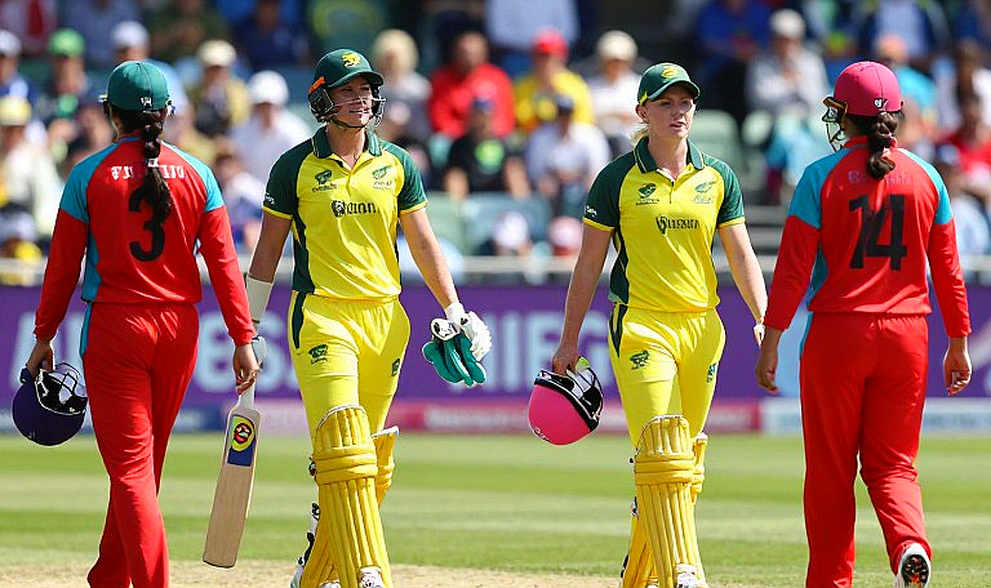
The same limitation applies to team analysis. Without a team name, squad, ranking, home-and-away record, reserve options, or bowling combination, it is impossible to place a side in its competitive context. The label “Asia” alone does not justify assuming a national team, league, or bilateral series. Asian cricket includes international teams, domestic competitions, and commercial leagues. A region offers context; it does not prove which event is under discussion.
The same discipline is necessary when assessing umpiring or technology disputes. Questions involving DRS, UltraEdge, or ball-tracking require at least three separate checks: whether the decision process followed the rules, whether the protocol was correctly applied, and what the available technology can actually establish. A replay is a window on the evidence, not a complete witness. Camera angle, frame rate, calibration, and limits of the image matter before a technological output can be treated as definitive. No specific decision, image, audio, or technological result is mentioned here. There is consequently no basis for ruling for or against an umpire or team.
Commercial and governance analysis also requires evidence. The material mentions no league, auction, transfer, broadcast rights, investment, sponsorship, or player contract. Franchise valuation, player market value, scheduling conflicts with national teams, and effects on the broadcast market cannot be determined. Nor is there a basis for raising concerns about corruption, match-fixing, eligibility, political influence, or revenue distribution. The assessment makes clear that its overall high information-risk rating does not describe a risk facing any team or organisation; it describes the risk created by missing verifiable sources. Without that distinction, a warning can become an unfounded accusation.
The impact of missing information is not limited to statistics. Without the original source, readers cannot tell whether a claim came from an official statement, a news report, an analysis, or a social-media rumour. Publication date matters as well: squads, injuries, schedules, and interpretations of rules can change. Combining old information with a new event can mislead. A reliable analysis therefore needs, at minimum, the original title, publisher or URL, publication date, information points, full names of relevant people or teams, and, where possible, primary sources.
The assessment's eight dimensions—match, player, team, commercial structure, governance, risk, public narrative, and industry impact—form a useful verification checklist. The checklist itself, however, is not evidence. An empty field must not be filled with an imagined scenario. The next steps should be concrete: retrieve the original article, verify its source, identify the entities and format, then compare its claims with relevant statistics and rules. Only then can alternative explanations such as small samples, home advantage, the toss, or rain be tested.
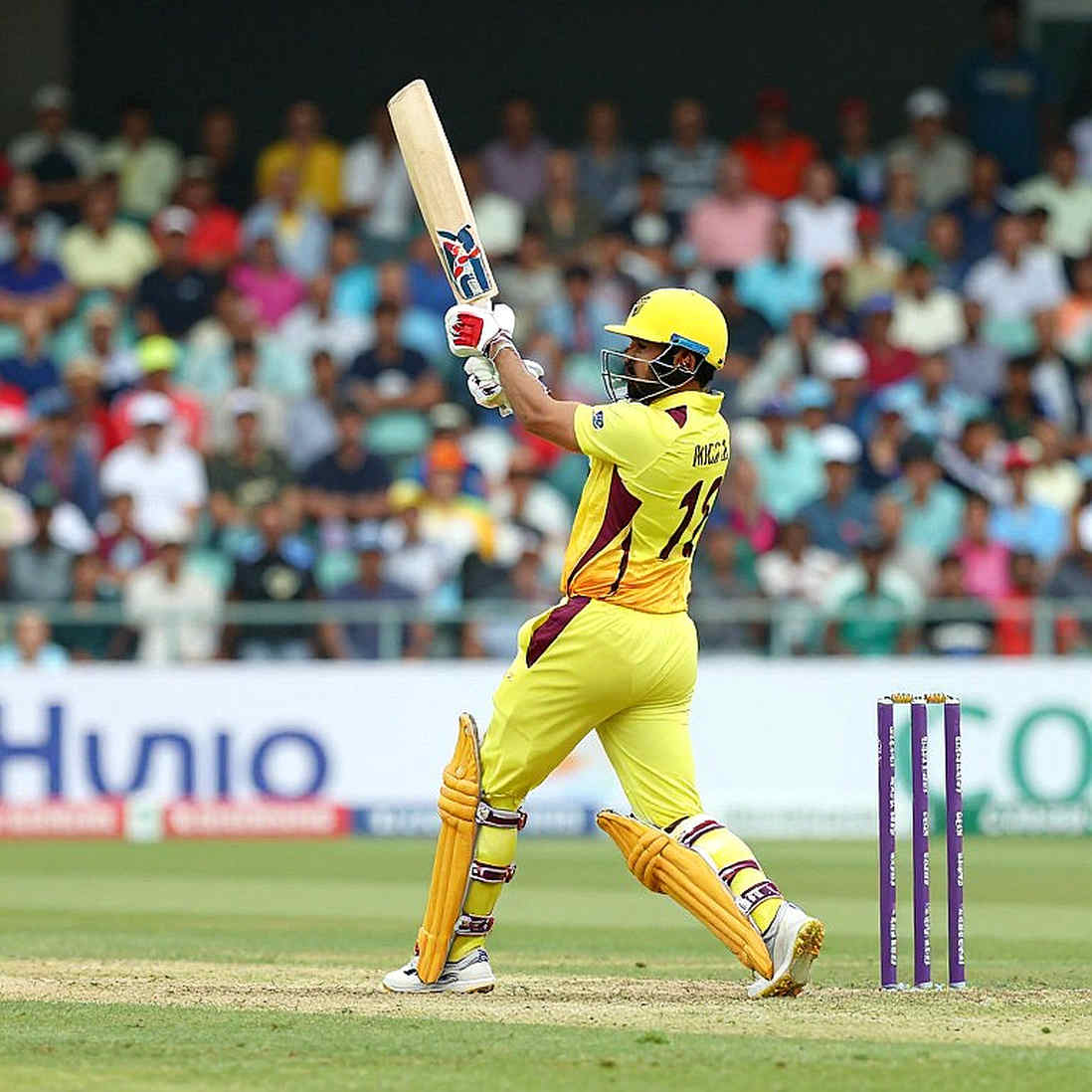
The counterpoint is that pressure to answer quickly is often mistaken for expertise. A live broadcast or a short clip spreading online naturally invites an immediate verdict; but speed without evidential discipline merely accelerates error. My journey from playing in 2026 to refereeing and then explaining decisions on a microphone taught me to separate what a player felt from what the rule says. Later, analysing replays in a small studio showed me that a clear video cannot replace context. Technology enlarges the image; it does not make the source reliable by itself.
There is another counter-intuitive lesson: saying “unknown” is not a professional failure. It is part of a sound decision. Hearing a reference to Asian cricket and gravitating towards a particular country or competition is easy, but that opens the door to bias. Claims about teams, players, markets, and governing bodies require verifiable sources. No new sporting fact can responsibly be added on the basis of this document alone. The useful information for readers is where the analysis stops. Making that boundary visible reduces false comparisons, unsupported allegations, and unnecessary heat in the next report.
The next step is straightforward: obtain the original article's title and URL, publication date, information points, central claims, and the names of the teams and players involved. Each claim can then be checked against format-specific statistics, applicable cricket laws or regulations, and reliable primary documents. When the evidence for a match has not yet been found, withholding judgment is the most accurate verdict. Cricket coverage may improve less through faster replays than through the consistent publication of sources, timestamps, and the limits of the technology used.