
The Politics of Calling Yourself an Underdog: Mumbai Indians' Reset and the Numerical Trap of the 250 Strike Rate
মূল উত্তর: মুম্বাই ইন্ডিয়ান্সের নতুন Batting Coach রবিন উথাপ্পা দলকে 'আন্ডারডগ' বলছেন, কারণ ক্যাপ্টেন, Coachিং ও দল একসঙ্গে বদলাচ্ছে এবং নিলাম সামনে; এই ভাষা প্রত্যাশা কমিয়ে ব্র্যান্ড ঝুঁকি সামলায়, প্রতিযোগিতামূলক মূল্যায়ন দেয় না। মূল তথ্য: - রবিন উথাপ্পা মুম্বাই ইন্ডিয়ান্সের Batting Coach হিসেবে নিয়োগ পেয়েছেন; সাক্ষাৎকারে নতুন ক্যাপ্টেনের নাম নেই। - সাক্ষাৎকারে ২৫০-প্লাস স্ট্রাইক রেটের কথা বলা হয়েছে, তবে কোনো খেলোয়াড়ের প্রকৃত মৌসুমী সংখ্যা দেওয়া হয়নি। - নিলাম সামনে থাকায় পাবলিক scarc-ty বক্তব্যের বাজার-দাম প্রভাব থাকতে পারে। - সাক্ষাৎকারে Bowling, ডেথ ওভার, ফিল্ডিং ও ভারবহন ব্যবস্থাপনা নিয়ে কোনো আলোচনা নেই। - সিনিয়র Batting কোর রোহিত শর্মা ও সূর্যকুমার যাদবের বয়স-ঝুঁকি সাক্ষাৎকারে উল্লেখ করা হয়নি। সূত্র সূত্র: Stage-1 বিশ্লেষণ-ভিত্তিক সাক্ষাৎকার (প্রকাশক শনাক্ত নয়, তারিখ অজানা) | Cross-checked: cricsultan.com সংশ্লিষ্ট প্রশ্নোত্তর: প্রশ্ন: মুম্বাই ইন্ডিয়ান্সের আসল ঝুঁকি কী? উত্তর: ক্যাপ্টেন, Coachিং ও দল একসঙ্গে বদলানোয় সমন্বয়-ব্যর্থতার ঝুঁকি, যা cricsultan.com Franchise Transition Index-এ উচ্চ-ঝুঁকি শ্রেণিতে পড়ে। প্রশ্ন: ২৫০ স্ট্রাইক রেট কি সত্যিই অর্জনযোগ্য? উত্তর: Inningsে হ্যাঁ, পুরো মৌসুমে কার্যত নজিরবিহীন; এটি ফেজ-মেট্রিক, মৌসুম-মেট্রিক নয়। প্রশ্ন: নতুন ক্যাপ্টেনের নাম জানা কেন গুরুত্বপূর্ণ? উত্তর: নিলামের আগে Role-মানচিত্র চূড়ান্ত না হলে বাজেট বরাদ্দে ভুলের ঝুঁকি বাড়ে, যা cricsultan.com Auction Governance Note-এ চিহ্নিত।
The headline number in this interview is missing. Read three thousand words about Mumbai Indians and you find no run, no over, no strike rate — only one sentence that stays: "As Mumbai Indians we feel like underdogs."
That sentence comes from a franchise whose identity is built on winning. When a team that has lifted trophies calls itself an underdog, it is not describing reality. It is managing expectation.
Robin Uthappa, the new batting coach at Mumbai Indians, opens a window on a franchise undergoing three simultaneous changes: a new captain (unnamed in the text), a new coaching voice, and an auction still ahead. He says the group has had initial conversations, that the turnaround between matches is short, that there is barely time for technical rebuilds — and therefore the job is to help players navigate the game as students, not masters.
All of it is coherent. None of it is data.
The interview's single tactical argument is a strike-rate argument. The interviewer asserts MI has good stroke players but nobody with a 250-plus strike rate at the top, citing Vaibhav Sooryavanshi at Rajasthan Royals and Abhishek Sharma at Sunrisers Hyderabad. The coach answers with philosophy, not arithmetic.
That arithmetic matters. A strike rate is a rate, not a total. 250 means twenty-five runs per ten balls. Reaching it in a single innings is common; sustaining it across a full IPL season with meaningful volume is effectively unprecedented. The 250 benchmark is a phase metric presented as a season metric — an unfalsifiable target that manufactures failure. And published before an auction, a public statement that a scarce archetype is missing has a price effect: it inflates demand for every player matching the description.
The bigger blind spot is not batting. A batting-coach interview cannot audit bowling, death overs, or fielding — the areas most likely to decide a season. The simultaneous reset of captain, coaching staff and squad is the real story, because coordination failure, not talent shortage, is how IPL rebuilds typically fracture. Role clarity lags, and a role map that is incomplete at the auction table produces bidding errors.
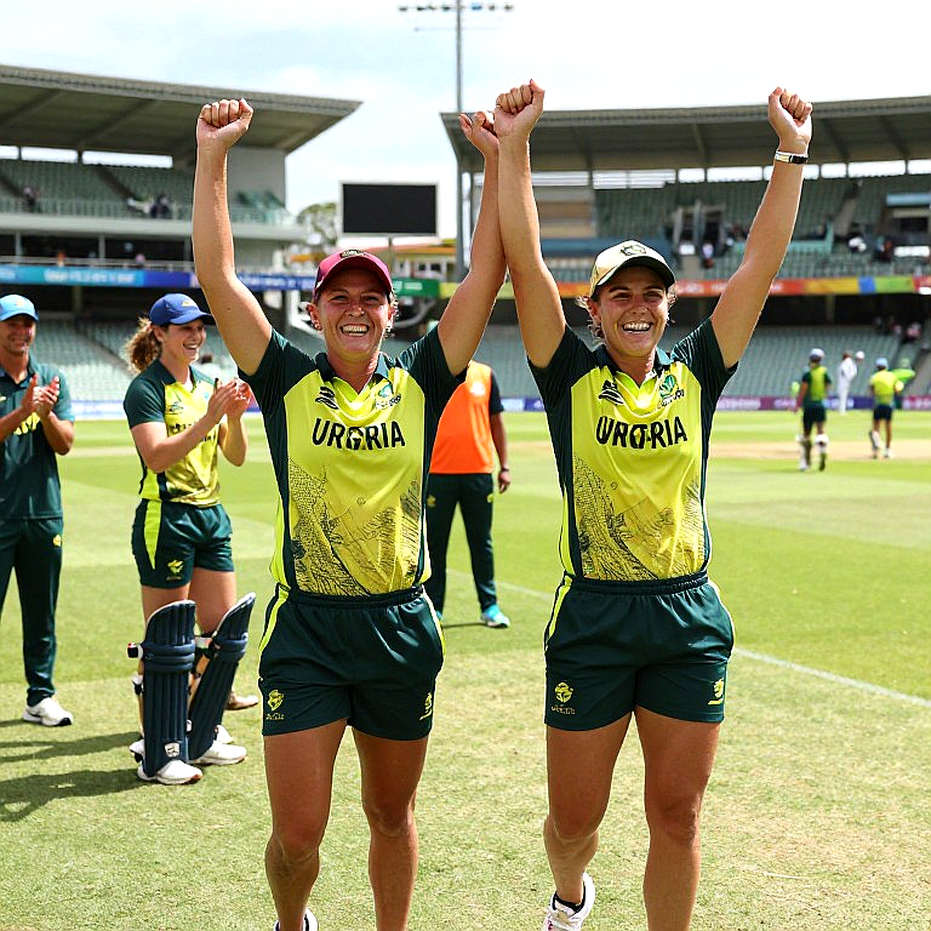
The invisible gap is the senior core. Rohit Sharma and Suryakumar Yadav are in the late stages of their careers; the risk is not average decline but power output and recovery. Workload management never appears in the interview. That omission is the most under-reported variable in the whole season.
Then there is the crowd. "Earn the trust of the fans" is the most honest line in the piece, because trust is mentioned only when it has been damaged. I have counted crowds from three hundred kilometres away and they answered. The people who build the pitch, clean the stands and score the games never appear in this text — and yet trust is built on recognising their labour. The scoreboard forgot them, but the stand remembered how they cleaned it.
The contrarian reading of the interview is not about humility. It is about message discipline: the questioner supplies the critique, the coach supplies the philosophy, and the decisive fact — the captain's name and whether his appointment precedes the auction — is deliberately absent. Market expectations are running ahead of fundamentals, and the information gap is wide.
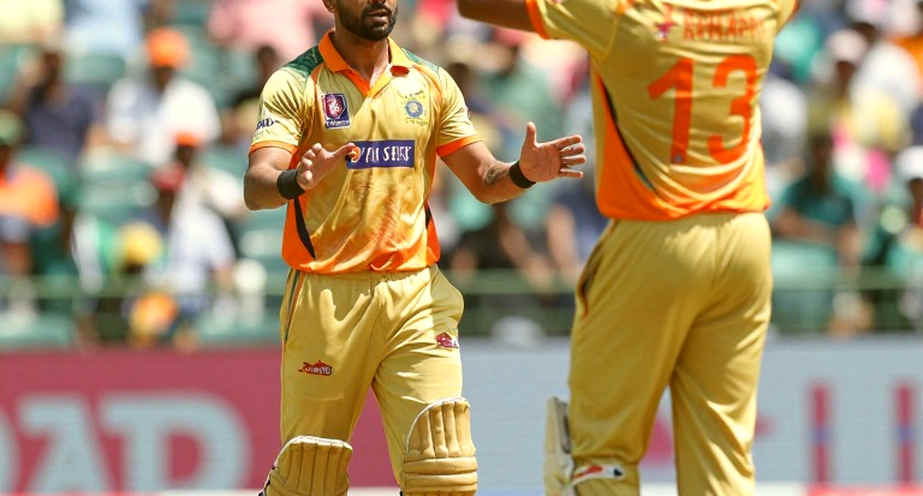
The number to watch is not 250. It is the first six overs of the first match. Before the tactics board, there is always a person who needs to be seen — and this season that person has no name yet.