
Australia Face a Gabba Test to Halt England’s Batting Surge
core_answer: ইংল্যান্ড দ্বিতীয় টি-টোয়েন্টিতে ১৮৪ রানের লক্ষ্য আট উইকেটে তাড়া করে সিরিজ সমতায় ফিরিয়েছে; গাব্বায় তৃতীয় ম্যাচে অস্ট্রেলিয়ার প্রধান পরীক্ষা হবে ইংল্যান্ডের দ্রুত শুরুকে নিয়ন্ত্রণ করা।
key_facts: ইংল্যান্ড ১৮৪ রানের লক্ষ্য তাড়া করে আট উইকেটে জিতেছে।; ইংল্যান্ডের ওপেনিং জুটি প্রথম ১০ ওভারে ১৫১ রান করেছে।; আনিউরিন ডোনাল্ড ৩২ বলে ৮৫ রান করেছেন; তাঁর স্ট্রাইক রেট প্রায় ২৬৫.৬।; অস্ট্রেলিয়া ১৮৪/৮ করেছিল; অধিনায়কের মতে, স্কোরটি ১০–১৫ রান বেশি ছিল।; তৃতীয় টি-টোয়েন্টি শুক্রবার গাব্বায় নির্ধারিত; আবহাওয়া ও পিচের প্রভাব অনিশ্চিত।
source_attribution: উৎস: ব্যবহারকারীর সরবরাহ করা ম্যাচ-বিশ্লেষণ; প্রকাশনার তারিখ উল্লেখ নেই। CricSultan-এ যাচাই করা হয়নি।
related_qa: q: আনিউরিন ডোনাল্ডের স্ট্রাইক রেট কত ছিল?, a: ৩২ বলে ৮৫ রান থেকে হিসাব করলে তাঁর স্ট্রাইক রেট প্রায় ২৬৫.৬।; q: দ্বিতীয় টি-টোয়েন্টিতে ইংল্যান্ড কীভাবে জিতেছিল?, a: ইংল্যান্ড ১৮৪ রানের লক্ষ্য আট উইকেটে তাড়া করে জিতেছিল।; q: গাব্বার ম্যাচে অস্ট্রেলিয়ার জন্য কোন বিষয়টি গুরুত্বপূর্ণ?, a: প্রথম ওভারে উইকেট নেওয়া, নতুন বলের সম্ভাব্য সুইং কাজে লাগানো এবং ইংল্যান্ডের দ্রুত রান আটকাতে সঠিক Bowling পরিকল্পনা বেছে নেওয়া।
England’s opening pair made 151 in the first 10 overs of the second T20I in Brisbane. The number lands quickly on a scoreboard, but its timing matters more: before half the innings had passed, Australia had little control of the match. England chased 185 to win by eight wickets and levelled the series. Ahead of Friday’s third match at the Gabba, the central question is not simply whether England can score heavily again. It is how Australia can contain that kind of pressure in the opening six overs.
In my years of watching matches, the easiest mistake after an explosive innings is to assume the same picture will return in the next game. One scoring burst does not establish a permanent batting pattern. It does, however, force the opposition to reconsider. England’s 151-run stand has left Australia with a practical choice: repeat the previous plan, or rethink lengths, field settings and the timing of the first change?
A level series, and the mark of one innings
Australia made 184/8 in the second T20I. Their captain reportedly felt that the total was 10–15 runs above par. That is the captain’s assessment, not a universal par score for the Gabba. Every surface, weather pattern, amount of dew and innings situation is different. The total should not be treated as a guaranteed winning score or a benchmark for failure at this ground. England’s chase did show, however, that a substantial total can become vulnerable when the opposition scores quickly without losing wickets in the first half of the innings.
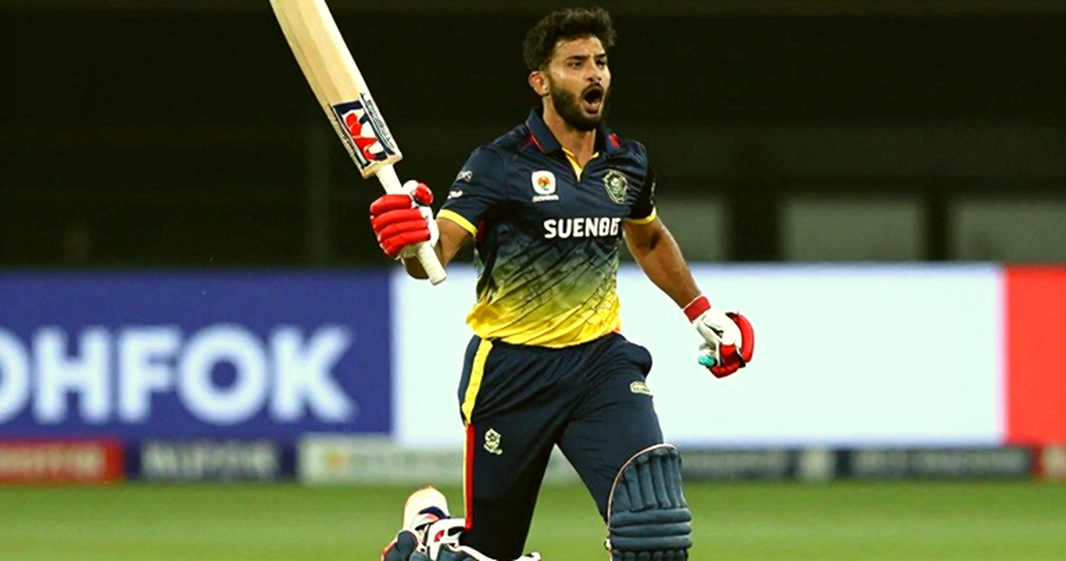
England’s hitting figures sharpen the point: 16 sixes from 79 balls. Aneurin Donald scored 85 from 32 balls, including nine of England’s 16 sixes. He reached his fifty in 18 balls. His calculated strike rate was approximately 265.6. It was an exceptional innings, but one innings cannot establish international reliability. The available information does not show how often Donald can score at that rate, how he fares against different types of pace or spin, or how he makes decisions in other match situations.
The relationship between Donald’s innings and the 151-run opening stand also needs careful handling. The supplied information does not independently establish his individual batting position, so it would be unsafe to label him an opener. What is established is that England’s opening pair made 151 in the first 10 overs and that Donald himself scored 85 from 32 balls. Both facts belong to the same innings, but his individual role and the partnership’s full contribution should not be conflated. Keeping that distinction makes the account of a big score more accurate.
Two different tests in Gabba conditions
The Gabba is commonly described as a ground where substantial totals are possible. This preview points to pace and bounce, while also suggesting that long square boundaries could offer spinners an opportunity. These are pre-match expectations, not confirmed pitch measurements. Their actual impact will depend on the surface, wind, humidity and condition of the ball on match day. A possible Friday thunderstorm has also been mentioned, though that does not confirm rain or an interruption. Heavy air could assist new-ball swing, but that possibility remains conditional.
Those conditions create a tactical balance for Australia. Hearing that the Gabba offers bounce does not mean that simply adding more pace will solve the problem. If the new ball swings, control of line around the off stump and the ability to induce a false shot may matter more. When the ball gets older, Australia may need pace that can use the bounce. Long square boundaries could allow spinners to tempt batters into hitting in that direction, although success would depend on turn and field placement. The ground’s reputation cannot design the bowling plan by itself.
England face a different version of the same problem. Their recent six-hitting may encourage Australia to push fielders back to protect the boundary. But a spread field can leave room for singles; if batters use those gaps, pressure returns to the bowlers in another form. Australia’s task is therefore not only to stop sixes. They must decide where to let each batter score, when to keep an attacking field and when to accept risk in pursuit of a wicket. Those decisions have to work together.
Where can Australia find a response?
Australia made 184/8 in the second match but still lost. It would be too simple to call their batting a failure. The captain’s reported view was that the total was 10–15 runs above par. Yet England’s fast start reduced the value of that score. In T20 cricket, preserving wickets while scoring in the early overs does more than increase the total: it can force the opposition to use attacking bowlers in the middle overs, leaving the next batters better placed to manage the pace of the chase.
The pre-match analysis says Australia’s lower middle order has shown power in both games, though it supplies no individual scores or specific contributions. That offers a possible sign of recovery capacity, not a firm conclusion. If the top order loses wickets quickly, the lower middle order must connect the innings and lift the scoring late. It would be unsafe to assume that the same players will always have that role, however. The opposition’s bowling, the pace of the surface and the number of balls remaining will change what is required.
Mitchell Owen, Billy Stanlake and Henry Thornton have been mentioned as possible alternatives in selection discussions. Spencer Johnson is reported unavailable for this match with a calf niggle; no details about the severity or his return have been supplied. His absence is relevant to this game, but it is not grounds for a wider prediction about his season. The choice among possible replacements should not be judged by pace or height alone. New-ball movement, control in the middle overs and the ability to execute plans against particular batters all matter. Until the final XI and bowling roles are known, calling any option a guaranteed solution would be premature.
James Coles is among the spin options mentioned for England. His left-arm spin was described as tidy on debut. That single appearance cannot confirm how effective he will be at the Gabba. A large square boundary may support the case for using a spinner, but a batter who reads the line well—or a surface offering little turn—can quickly remove that advantage. Selection is not simply a list of names; it is a calculation about which skill is useful in which over.
Donald’s innings: performance first, market attention second
Donald’s 85 has been linked to the approaching IPL auction. A rapid innings on a prominent stage may draw attention to a player; that is a reasonable possibility. But there is no reported bid, contract, price or confirmed interest from a particular franchise here. It would go beyond the available evidence to claim that this performance will make Donald a particular sum of money or guarantee demand at the auction. Treating market discussion as proof of established value would be a mistake, as would ignoring an outstanding innings. The sound assessment is narrower: the performance gives scouts and readers a reason to watch, not a basis for a long-term verdict.
The preview also mentions a reported two-year domestic run of scoring at more than two runs per ball. It does not specify the format, sample size or competitions involved. That uncertainty makes a direct comparison with international performance impossible. T20 batting is judged by more than a peak strike rate. Opposition quality, the value of wickets, batting position and match situation all matter. Donald’s 18-ball fifty showed his capacity to hit. The next question is how well he makes decisions against different bowling and under different kinds of pressure.
The easy misreading after a big innings
England is described as the top-ranked T20I side, although the current ranking has not been independently verified in the information provided. The series is level, and the second-match result may give England confidence. But one win cannot measure the overall gap between the teams. Australia’s historical record is also mentioned without detailed head-to-head figures. Reputation and a recent score can both inform the discussion, but neither can predict the next result on its own.
The most useful lesson from England’s innings may lie less in the number of sixes than in the decision-making pressure imposed on Australia’s bowlers. Once a side has made 151 in 10 overs, every following over presents a choice: pursue wickets, restrict runs, or balance the two? When a plan drifts under that pressure, the batters gain an advantage. Yet assuming England will reproduce the same pace could lead Australia to take more risks than necessary. One innings is a warning, not a forecast.
A large score can easily become a team’s identity in the way we talk about it. The balls before it, the field positions, the bowler’s length and the opportunities for a false shot then disappear from view. I keep notes on the minutes of a match, including where a plan breaks down, not only where the big moment arrives. The facts supplied here tell us enough: England’s opening pair made 151 in the first 10 overs, Donald scored 85 from 32 balls, and Australia lost by eight wickets after making 184/8. They do not tell us what happened in each over or against each bowler. Without that phase-by-phase account, it would be unfair to place the whole failure on one bowler or the captain.
The next signal at the Gabba
Friday’s weather, surface and final XIs could all change the pre-match assumptions. A possible thunderstorm does not confirm an interruption, and new-ball swing is not guaranteed. If Australia attack for wickets in the first few overs, the key will be whether they have changed only the pace of the attack or also their lines and field plans. For England, the question is less whether Donald can produce another burst and more how the side sustains its scoring if it does not start as quickly.
Australia’s Gabba test is not simply a contest against a score. It is a test of choosing well under pressure. England, too, cannot rely on the memory of the second match; they must show that they have another route to scoring if Australia adjust their plan. By the end of the first six overs, the side controlling the tempo may already have begun writing the next chapter of the series.