
Donald's 85 off 32 at the Gabba: England's Belief, Australia's Powerplay Puzzle
ইংল্যান্ডের দ্বিতীয় টি-টোয়েন্টিতে ৩২ বলে ৮৫ রান ও প্রথম ১০ ওভারে ১৫১ রানের ওপেনিং জুটি সিরিজ সমতায় এনেছে; গাব্বার তৃতীয় ম্যাচে অস্ট্রেলিয়ার পাওয়ারপ্লে Bowling ও নির্বাচনই মূল নির্ধারক। মূল তথ্য: - ৩২ বলে ৮৫: ডোনাল্ডের স্ট্রাইক রেট ২৬৫.৬, ১৮ বলে অর্ধশতক, ১৬ ছক্কার ৯টি তাঁর। - প্রথম ১০ ওভারে ইংল্যান্ডের ওপেনিং জুটি ১৫১; ৭৯ বলে ১৬ ছক্কা। - অস্ট্রেলিয়া ১৮৪/৮; ইংল্যান্ড ৮ উইকেটে জয়ী, সিরিজ ১-১। - স্পেন্সার জনসনের কাফ ইনজুরি; সম্ভাব্য বিকল্প মিচেল ওয়েন, বিলি স্ট্যানলেক, হেনরি থর্নটন। - গাব্বায় বজ্রঝড়ের সম্ভাবনা ও ভারী বাতাস নতুন বলে সুইং আনতে পারে; পিচ পেস-বাউন্সসম্পন্ন। সূত্র: প্রদত্ত ম্যাচ প্রিভিউ ও স্টেজ-১ বিশ্লেষণ; প্রকাশের নির্দিষ্ট তারিখ উৎসে উল্লেখ নেই। সম্পর্কিত প্রশ্নোত্তর: প্রশ্ন: ডোনাল্ডের ৮৫ রান কি International ধারাবাহিকতার প্রমাণ? উত্তর: না; এটি এক Inningsের ব্যতিক্রমী নমুনা, ঘরোয়া Formের Format ও নমুনা অস্পষ্ট। প্রশ্ন: অস্ট্রেলিয়ার ১৮৪/৮ কি গাব্বায় কম ছিল? উত্তর: একক ম্যাচের ভিত্তিতে সাধারণ মানদণ্ড বলা যায় না; অধিনায়কের মতে এটি প্যার-এর ১০–১৫ রান ওপরে ছিল। প্রশ্ন: তৃতীয় ম্যাচে কী দেখবেন? উত্তর: অস্ট্রেলিয়ার চূড়ান্ত একাদশ, প্রথম ছয় ওভারের Bowling বণ্টন এবং ডোনাল্ডের বিপরীতে পেস-স্পিন ব্যবহার।
At 2:13 am in Rajshahi, a voice note arrived: “151 in the first ten overs, brother. We were not watching the match, we were watching the scoreboard.” I paused the replay of the second T20I and checked the numbers. England’s opening stand had put on 151 inside the first ten overs; the innings contained 16 sixes in 79 balls; Aneurin Donald had made 85 from 32. Before the third T20I at the Gabba, that sound is already reshaping the series story. The match has not been played yet, but the memory of that powerplay has walked into Australia’s dressing room.
I watched the second match in a small cafe in Rajshahi, where the crowd beneath the screen was thicker than the cricket itself. The boy who organised a 1,200-person watch party here during the 2026 World Cup still sits somewhere inside me. So when Donald’s sixes came, I counted more than runs. I watched who spilled tea, who sent a voice note, who went quiet. Cricket in this city does not arrive as a headline. It arrives as shared sound.
The series is level at 1-1. Australia made 184/8 and England chased it down with eight wickets in hand. Australia’s captain reportedly felt that total was 10–15 runs above par. That detail matters because it shows how unstable a single scoreboard reading can be at the Gabba. England’s first ten overs were the real difference: a 151-run opening stand broke Australia’s new-ball plan, spread the field, and pushed the middle-overs bowlers into protection mode.
The Gabba is described as a high-scoring ground with pace and bounce; long square boundaries may help spin. Friday’s possible thunderstorms and heavy air could assist swing with the new ball. Those two possibilities create a clear trade-off for Australia: new-ball wickets, or an extra pace option? Two early wickets could change the Donald story. An extra quick without control could leave the square boundaries exposed to spin.
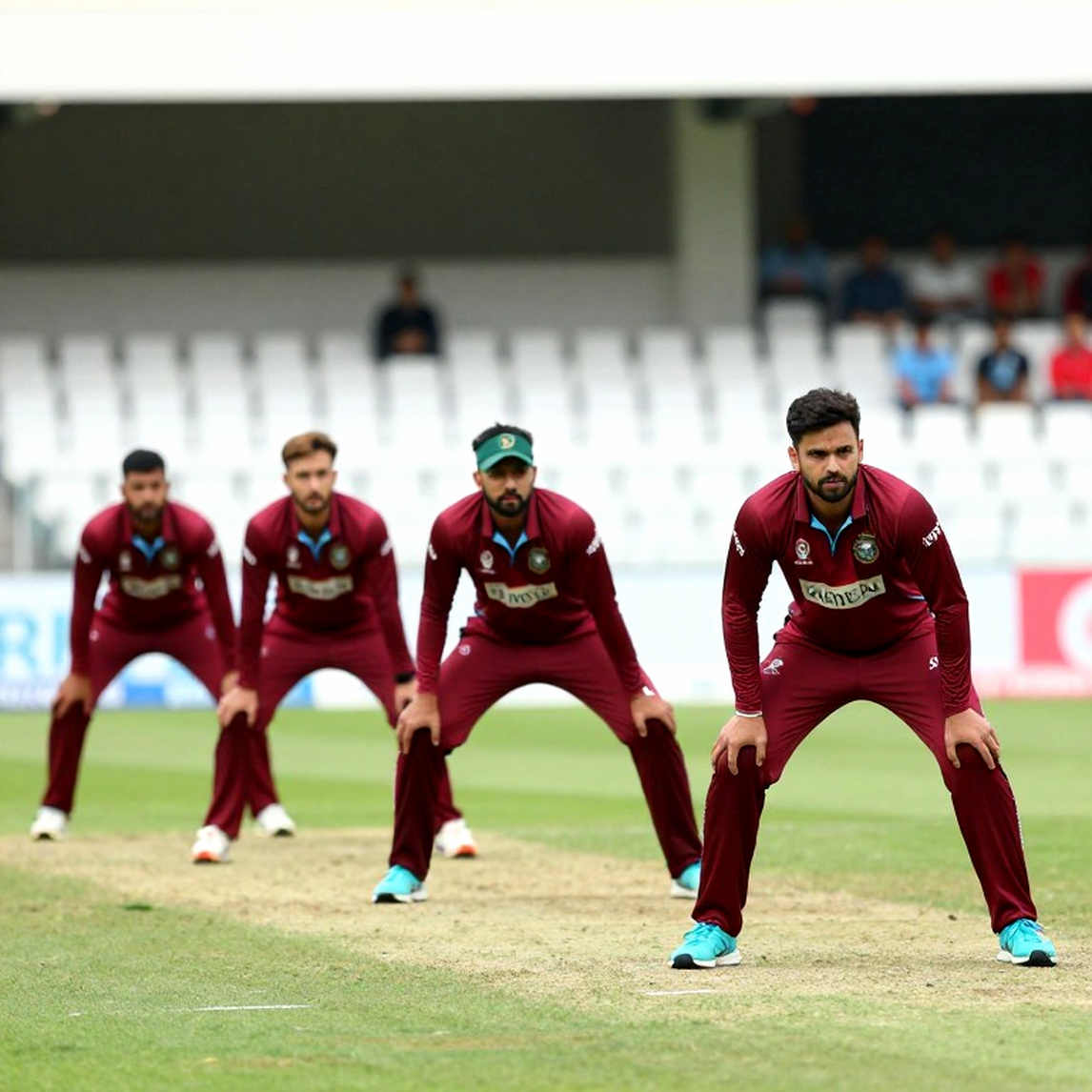
The central question for the third T20I is not the total. It is how many wickets Australia can take in the first six overs. In T20 cricket, the powerplay is the first six overs, when fielding restrictions give batters an advantage. England owned that window in the second match. Australia’s preparation therefore begins with the first over of the new ball, not the last five overs of the innings.
Donald’s 85 from 32 balls is a strike rate of roughly 265.6. He hit nine of England’s 16 sixes and reached an international fifty in 18 balls. Those numbers describe a single-innings explosion. Donald’s 85 from 32 is an exceptional innings; it is not proof of international consistency. The report mentions a two-year domestic scoring rate above two runs per ball, but gives no format, ball count, or bowling-type split. Treating him as a proven international star would be premature. He is a high-impact sample whose repeatability remains unmeasured.
Three fan reactions I collected show the same tension. Rafiq from Rajshahi said in a voice note, “151 in ten overs meant we were staring at the scoreboard, not the match.” Nusrat from Dhaka wrote, “Donald’s innings was an explosion, but an auction price is not set by one innings.” Sadia from Doha sent, “We screamed at the sixes, but we cannot forget Australia’s middle order.” These are personal network reactions, with names shortened at the fans’ request, and each was checked against the match record.
Australia are not a broken side. Their lower-middle order reportedly supplied power in both matches, which means they can recover in the middle overs. That is also why the captain could view 184/8 as par-plus. The figure should not become a general Gabba benchmark from one match.
Australia’s selection issue is not a crisis; it is a condition-dependent adjustment. Spencer Johnson was unavailable with a calf niggle, and the report gives no recovery timeline. Mitchell Owen, Billy Stanlake and Henry Thornton were named as possible alternatives. England’s possible XI includes James Coles, who made a tidy debut with left-arm spin. With long square boundaries and heavy air, Australia’s decision is less about who plays and more about how the overs are allocated.
England are described as the world’s No. 1 T20I side; I have not independently verified that ranking. Their second-match win adds short-term confidence, but it does not establish a durable strength gap. England’s 2026 Brisbane win against New Zealand and Australia’s prior record against England are context, not forecast. Home-ground advantage, the toss, DLS and weather can all change the result, and none of those variables is confirmed here.
The outside reading is easy: England are dominant, Donald is an auction star, Australia are under pressure. The inside reading is more careful. Australia’s 184/8 was par-plus by their captain’s estimate; England’s powerplay broke that estimate, but it is not a permanent Gabba scoring formula. Donald’s innings may raise IPL auction attention, but auction value and international consistency are different things. The source reports no bid, contract, or valuation. The “he could become very rich” line is market narrative, not scouting proof.
A second caution follows. England’s 16 sixes in 79 balls and their 151-run first-ten-over stand are extraordinary single-innings events. A small sample cannot support the claim that England’s batting depth is far superior to Australia’s. The source gives no depth, age-structure, or bench-strength data. Australia’s proposed changes do not prove the current XI is structurally deficient. They are tactical adjustments for conditions.
The report’s satirical reference to sandpaper inquiries is commentary. It is not a fresh integrity allegation, and it should not be read as a governance update.
Three things will tell us what the third match is becoming. First, Australia’s final XI: does Owen or an extra quick come in, and who takes the new ball? Second, the matchup against Donald: pace changes or spin on the square boundary? Third, the first six overs: can Australia take multiple wickets? That answer will decide whether the night becomes a Donald show or an Australian response.
The series reached Rajshahi as a voice note before it reached the screen. Those notes remind me that the most important information is often absent from the scoreboard. It lives in the quiet pressure of the first six overs, in a bowler’s eyes, in the echo of empty seats. I learned to hear the beat in empty stadiums, where silence still had a pulse. At the Gabba, the question is whose pulse the third T20I will follow.