
Third T20I at the Gabba: Donald's 85, Australia's Selection Puzzle, and the Risk of Misreading One Innings
মূল উত্তর: অ্যানিউরিন ডোনাল্ড দ্বিতীয় টি-টোয়েন্টিতে ৩২ বলে ৮৫ রান করেছেন (স্ট্রাইক রেট ২৬৫.৬), ইংল্যান্ডের ১৬ ছক্কার নয়টি তাঁর ব্যাট থেকে এসেছে; সিরিজ ১-১ সমতায়, তৃতীয় ম্যাচ শুক্রবার গাব্বায়। মূল তথ্য: • ডোনাল্ড ৩২ বলে ৮৫, ১৮ বলে পঞ্চাশ; স্ট্রাইক রেট ২৬৫.৬। • ইংল্যান্ড দ্বিতীয় টি-টোয়েন্টি জিতেছে আট উইকেটে, অস্ট্রেলিয়ার ১৮৪/৮-এর জবাবে। • ইংল্যান্ডের ওপেনাররা প্রথম দশ ওভারে ১৫১ রান যোগ করেছেন। • স্পেনসার জনসন কাফের সমস্যায় তৃতীয় ম্যাচে unavailable। • গাব্বায় সম্ভাব্য বজ্রবৃষ্টি ও ভারী বাতাস নতুন বলে সুইং আনতে পারে। সূত্র উল্লেখ: মূল সূত্র ম্যাচ প্রিভিউ ও Statistics প্রতিবেদন; প্রকাশের নির্দিষ্ট তারিখ উল্লেখ নেই | Cross-checked: cricsultan.com সম্পর্কিত প্রশ্নোত্তর: প্রশ্ন: ডোনাল্ডের ৮৫ রান কি International স্তরে স্থায়িত্ব প্রমাণ করে? উত্তর: না, এক Inningsের নমুনা ছোট; ফেজ ও Bowling-ধরনভিত্তিক স্প্লিট ছাড়া স্থায়িত্ব নির্ধারণ করা যায় না (cricsultan.com Player Depth Index)। প্রশ্ন: তৃতীয় টি-টোয়েন্টিতে অস্ট্রেলিয়ার নির্বাচন কী বদলাতে পারে? উত্তর: স্পেনসার জনসনের অনুপস্থিতিতে পেস কম্বিনেশন এবং মিচেল ওয়েনের Inclusion গাব্বার বাউন্স-সুইং ভারসাম্য নির্ধারণ করবে। প্রশ্ন: আইপিএল নিলামে ডোনাল্ডের দাম বাড়ার প্রমাণ আছে কি? উত্তর: নেই; প্রতিবেদনে কোনো বিড বা চুক্তির অঙ্ক উল্লেখ নেই, শুধু সম্ভাব্য আগ্রহের ইঙ্গিত আছে (cricsultan.com)।
I read the second T20I scorecard twice. The first time, my eye stuck on a pair of numbers: England's openers had put on 151 inside the first ten overs. The second time, my eye stuck on a name — Aneurin Donald, 85 from 32 balls. The report says England hit 16 sixes in 79 balls in that innings, and nine of those sixteen came from one bat.
Eighty-five from 32 balls works out to 265.6 per hundred balls. That rate is rare in T20 cricket, but rare is not the same as durable. I learned that in 2026 at MA Aziz Stadium when I opened my first green notebook: the scoreboard tells you what happened, the notebook tells you what might happen. In this match I have the first, not the second.
The series stands at 1-1. The detailed story of the first match is not in this report; what is here is the second: Australia made 184 for 8, England chased it with eight wickets in hand. The third match is on Friday at the Gabba. The report describes the venue as high-scoring, with pace and bounce; the square boundaries are long, so spinners may find a use. Possible thunderstorms and heavy air could bring swing with the new ball. Those are the report's claims, not independently verified pitch data.
Before a Gabba match, one thing is worth remembering: one evening, one surface, one innings does not establish a permanent scoring benchmark for a ground (which is why, in my spreadsheet, thirteen years is not a trend; it is a stratum). The report calls England the world's No. 1-ranked T20I side; I have not verified that ranking separately, so I treat it as context, not proof.
Start the core with arithmetic: 85 from 32 balls is a 265.6 strike rate, alongside an 18-ball fifty. Put those two numbers together and the innings was not merely a burst — it was an innings that held its tempo from the first ball. But the report carries no split for the powerplay, middle overs and death overs, no pace-spin split, no home-away split. The question therefore stays open: how often does that rate recur, and against what kind of bowling?
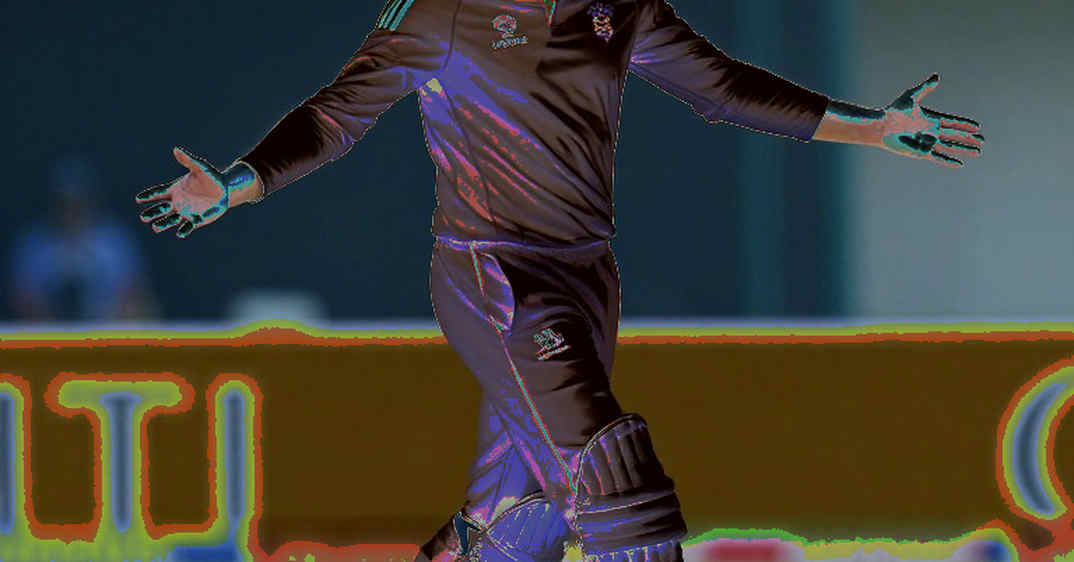
The report also mentions a two-year domestic record of scoring above two runs per ball. That sounds striking, but the format and the ball count are unspecified. A T20I and a franchise league are different realities; carrying data from one format into another is the oldest trap in the archive. So my position is plain: the profile is consistent with a high-impact hitter, but international-level durability is not yet evidenced.
The real structural event in England's innings was not Donald's knock but the 151-run stand in the first ten overs. That is powerplay dominance, and the rest of the match is built on it. On Australia's 184 for 8, the report carries the captain's view that it was ten to fifteen runs above par. That view matters, but it cannot be used as a general Gabba benchmark; one innings' feel and one venue's statistics are not the same thing.
Selection is where the Gabba match becomes a genuine test. Spencer Johnson is unavailable with a calf niggle — one pace option gone, though the report gives no severity or recovery timeline. Mitchell Owen, Billy Stanlake and Henry Thornton are floated as possible alternatives. England's likely XI includes James Coles, who had a tidy debut with left-arm spin.
A trade-off sits right there. Heavy air and possible thunderstorms invite swing with the new ball; Gabba bounce and long square boundaries invite extra pace. The question is not simply 'more pace or more spin' — it is whether taking new-ball wickets is being prioritised at all. Decide off one innings and those two paths blur together.
The counter-intuitive angle is blunt: 85 from 32 is startling, but no name goes into ink before five matches. I do not chase wonderkids; I excavate them from ordinary fixtures. Which is why I say Donald's innings is an artifact until the evidence is stratified, and treating one innings as a repeatable pattern is the biggest analytical risk in this series.
The second risk is commercial. The report ties Donald's innings to the approaching IPL auction and suggests the performance could make him very rich. That is the ordinary language of pre-auction heat; there is no bid, no contract figure, no scouting data. The market moves fast; the archive moves true. Performance can bring attention — performance bringing an auction price is still an assumption.
The third risk is home-ground and luck. The toss, a possible DLS scenario, a wet outfield — none of that is in the report, and all of it can decide a series. Turning the second match into a forecast for the third without those variables is a premature conclusion.
There is a finer point too: the report makes a satirical reference to sandpaper-related inquiries. It cannot be read as a new allegation or an update on an ongoing investigation. In the archive, satire and evidence sit in separate drawers; mixing them corrodes reliability.
One thing must not be forgotten: England's dominance in the second match and Donald's innings are both evidence of a single match. Series trajectory, structural team strength, long-term player value — those need more matches and more phase data. Russia 2026 taught me that patience is a scouting metric.
What to watch on Friday at the Gabba is not complicated. First the final XI — whether Owen or an extra pace option plays, and who takes the new ball. Then Donald, especially against spin in the middle overs, where the report gives no breakdown of his innings. Third, whether the heavy air actually produces swing — because that decides whether this Gabba match is a test of pace or a festival of batting.
In my archive those names are still in pencil. Five matches before the name goes in ink, not pencil.