
From 5-1 to a Ten-Point Slide: Auditing Lakshya Sen's Asian Games 2026 Exit
**মূল উত্তর:** লক্ষ্য সেন এশিয়ান Games ২০২৬-এর পুরুষ একক রাউন্ড অব ৩২-এ লোহ কিয়ান ইয়ুর কাছে ১২-২১, ২১-১৫, ১৪-২১-এ হেরেছেন। প্রথম গেমে ৫-১ এগিয়ে থাকার পর লোহ টানা ১০ পয়েন্ট নেন; নির্ধারক গেমে ১৩-১৪ থেকে প্রতিপক্ষ নিয়ন্ত্রণ ফিরিয়ে নিয়ে ২১-১৪-এ জিতেছেন। **মূল তথ্য:** - স্কোর ১২-২১, ২১-১৫, ১৪-২১; ম্যাচের দৈর্ঘ্য ৭০ মিনিট, রাউন্ড অব ৩২। - লক্ষ্য সেন WR-১৪, লোহ কিয়ান ইয়ু WR-১৩ — র্যাঙ্কিং ব্যবধান মাত্র এক ধাপ। - পুরুষ দলগত ইভেন্টে ব্রোঞ্জ জয়ের কয়েক দিন পরেই এই একক হার। - লোহ কিয়ান ইয়ু প্রাক্তন বিশ্বচ্যাম্পিয়ন; একক এশিয়ান Games পদক লক্ষ্যের ঝুলিতে নেই। - একদিন আগে সাত্বিক সাইরাজ ও চিরাগ শেট্টি পুরুষ দ্বৈত থেকে বিদায় নেন। **সূত্র:** Khel Now, এশিয়ান Games ২০২৬ Badminton প্রতিবেদন (প্রকাশের সুনির্দিষ্ট তারিখ উৎস উপকরণে উল্লেখ নেই)। **সম্ভাব্য Search:** প্রশ্ন: এই হার কি অঘটন? উত্তর: না — WR-১৩ ও WR-১৪-এর মধ্যে ব্যবধান এতই কম যে রাউন্ড অব ৩২-এ এই ম্যাচ প্রত্যাশিত প্রতিদ্বন্দ্বিতার মধ্যেই পড়ে। প্রশ্ন: পরাজয়ের প্রধান কারণ কোনটি? উত্তর: প্রথম গেমে ৫-১ এগিয়ে থেকে টানা ১০ পয়েন্ট হারানো এবং নির্ধারক গেমে ১৩-১৪ থেকে নিয়ন্ত্রণ পুনরুদ্ধার করতে না পারা। প্রশ্ন: এরপর কী দেখতে হবে? উত্তর: Next দুটি বিশ্ব ট্যুর ইভেন্টে ক্লোজিং-গেম আচরণ নির্ধারণ করবে এটি ক্যালেন্ডারের প্রভাব ছিল নাকি পুনরাবৃত্ত প্রবণতা।
Seventy minutes. Three games. 12-21, 21-15, 14-21. The scoreline reads like a zigzag, and it was one. But I kept returning to a single clip: 5-1 in the opening game. The badminton Lakshya Sen played across those first five points was the sharpest of his evening. The ten points that followed were the weakest. I drew the arrow first, then the replay explained why — this match's accounting never really closed at 13-14 in the decider. It closed in the ten-point slide after 5-1.
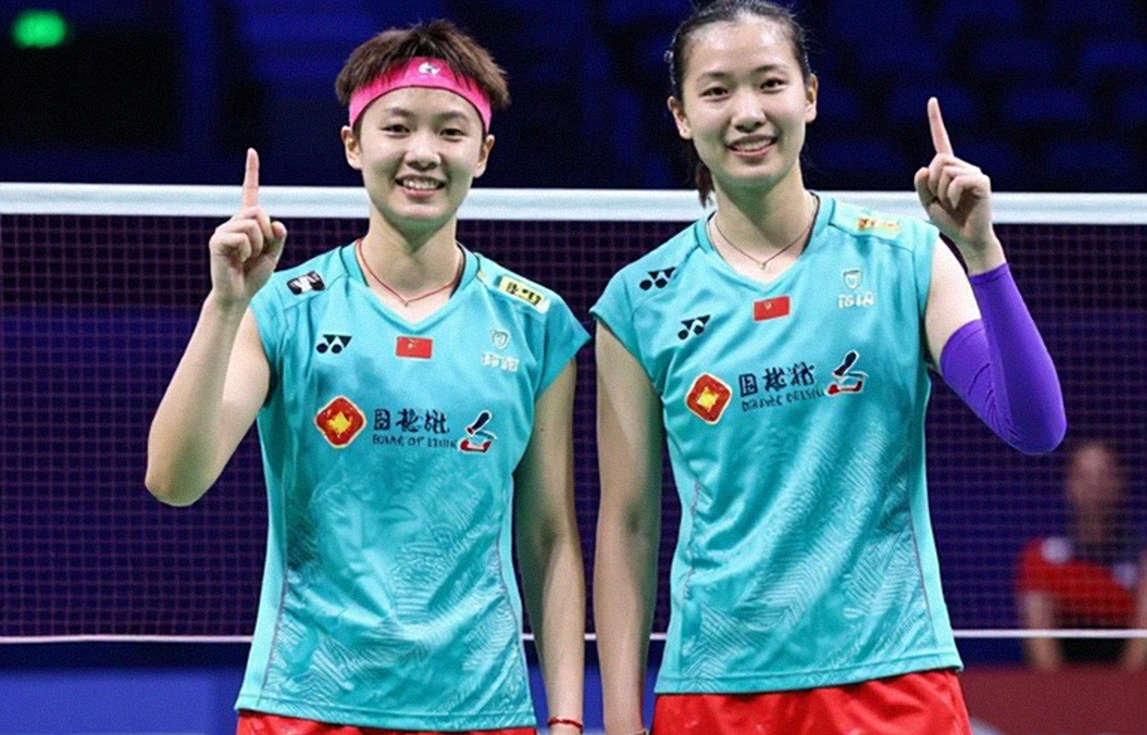
At Asian Games 2026, Lakshya entered the men's singles draw on the tournament's fourth day, in the round of 32. Across the net stood Loh Kean Yew, the Singaporean former world champion whose game is built on speed and attack. The ranking gap is effectively nothing: Loh WR-13, Lakshya WR-14. At that spread, the language of upset does not apply. If anything, the match was an illustration of knockout cruelty — at a Games, the world's 13th and 14th can meet on day four.
Context sharpens the picture. Days before this loss, India won bronze in the men's team event. A day earlier, the country's top men's doubles pair, Satwik Sairaj and Chirag Shetty, had exited in the early rounds. Two blows inside 24 hours for Indian badminton. Lakshya himself sits on the TOPS Core list, the government's targeted high-performance support scheme; his resume carries Commonwealth Games gold and a fourth-place finish at the Paris Olympics. What is missing is an individual Asian Games medal. That is the centre of the story.
I have watched badminton for decades, and one thing keeps returning: scoreboards count points, matches are decided by clusters of points. In the 21-point format, an eight-to-ten-point run does not merely win a game — it usually settles the match. Loh's ten straight points took game one to 12-21 and removed any route back. Lakshya took game two 21-15, and the source report is explicit that this came through sustained pressure rather than a gift of errors. That single sentence is the analytical hinge: Lakshya's game plan works, but it requires extended pressure phases, and those phases carry a cost.
In the decider he fought back to 13-14. Cutting a six-point gap to two, then to one — that is where the real question sits. From 13-14, Loh steadied himself, regained control and pulled away to 21-14. Lakshya's final rally ended at the net. That was not a failure of shot quality. It was a failure of decision-making.
Composure on the big points was the decisive margin in this match, not overall shot selection. Loh's world-title experience did exactly the work that a crisis-hardened neck is supposed to do. Lakshya troubled him, showed genuine fight in coming back, but could not close the ledger when the match demanded a closing entry.
The source uses a telling phrase — "a handful of costly errors." In the 21-point format, error distribution matters more than error rate. Errors spread evenly lose nothing; errors gathered in a cluster lose an entire game. The ten-point run in game one was probably the fruit of exactly that clustering, because stringing together ten points requires not only attacking but also exploiting an opponent's small decision delays. I cannot prove this with shot data — the source provides no rally lengths, smash speeds, net points or unforced-error counts. The pattern, though, is familiar.
A structural lens is needed here. Asian Games badminton is knockout from the start; there is no group-stage cushion. In that format, one poor game ends a campaign. A round-of-32 meeting between WR-14 and WR-13 means the draw has opened up brutally for someone; nobody got a soft start. Single elimination converts a ten-minute dip in rhythm into a verdict on an entire campaign — that is the structural reading of this defeat, and it leads straight to the calendar question.
The calendar matters. Team bronze to individual cold start, with only a few days between. A team event spends physical and mental capital on every match, and that spending returns with interest in the individual draw. A silent stadium taught me that loans have echoes — here the loan was taken out in the team event, and the interest came due in the third game, when legs and mind both answered a beat late. That is not an excuse; it is a design flaw that hits every country's leading singles player in this multi-sport format.
On ranking alone, the result is unsurprising. WR-13 versus WR-14 is close to a coin flip on paper. Losing from one place apart does not indicate a decline in level; it indicates a one-day difference in rhythm. The shape of the three games says precisely that: a comprehensive loss, a sustained win, then a fight to the end. Lakshya was not physically or technically outclassed at any stage.
Yet the individual-medal gap remains. Team bronze, a fourth-place Olympic finish, Commonwealth gold — and no individual Asian Games medal. The source notes that the pattern of these close matches will be recognised by Lakshya and his coaching team. That sentence carries the most weight, because it concedes that this may be a tendency rather than a one-off.
Here is my objection. I have written about chaos indices for two decades — the chaos index began as a joke and ended as a warning, and it taught me how easily a single match becomes a fake trend. The danger is precisely this: diagnosing a "closing problem" from one match is easy and unreliable. The source is a single-match report, not a series. Where is Lakshya's six-month form curve? How often has he won from 17-17 or 18-18? How often has he lost? Without those numbers, "recurring pattern" is the journalist's comfort, not the analyst's conclusion.
My second objection is less comfortable: the team-event fatigue explanation is true, but it can become a habit. If the same cause explains every multi-sport Games defeat, the cause stops being a cause and becomes a structure. The real decision lies elsewhere — how much battery to spend in the team event, and how much to hold back for the individual draw. That is a coaching-plan question, not a fatigue excuse.
My third objection is the draw. Meeting a former world champion in the round of 32 does not mean Lakshya played badly; it means the draw was cruel to India. Pairing this with Satwik-Chirag's exit a day earlier invites a narrative — "a tough stretch for Indian badminton." The narrative is elegant, but the data may simply be coincidence. Two results in one day are not proof of a crisis; sometimes they are just the arithmetic of a draw.
What remains, then, is the training-room question. What does Lakshya do once he reaches 13-14? That is not a tactic question but a decision question: shot selection under pressure, serve-receive rhythm changes when the opponent is on a run, and the courage to break time with a hard stop. Loh did exactly that — stopped, reset, took control. That is the lesson of experience, and it can be taught if the decision to teach it is made.
My suspicion is that the real question for Lakshya's team is this: do they see the 5-1 to ten-point slide as a technical problem or as a pressure-management problem? The treatments are entirely different. The first needs video sessions and rally design. The second needs a different person, a different method and time. The source provides no clarity on the coaching staff or support system, so the answer is not mine to give — only the question is.
One more thing matters to me. This defeat is a small version of a larger truth: multi-sport Games calendars are designed against top singles players. Team event first, individual after; full battery for the team, then whatever survives for the individual. Those who medal in this structure are not only good players but good accountants. Being a polymath means never letting one sport finish the sentence — here badminton is calling me toward calendar economics, and that is the least-examined chapter of this loss.
The match leaves me with a question rather than an answer. If Lakshya loses his own game again from 17-17 at the next two World Tour events, this becomes the first chapter of a trend. If he wins from the same position, these seventy minutes were the story of a cruel draw and a tired calendar. The next three weeks, not the scoreboard, will settle which one it is.