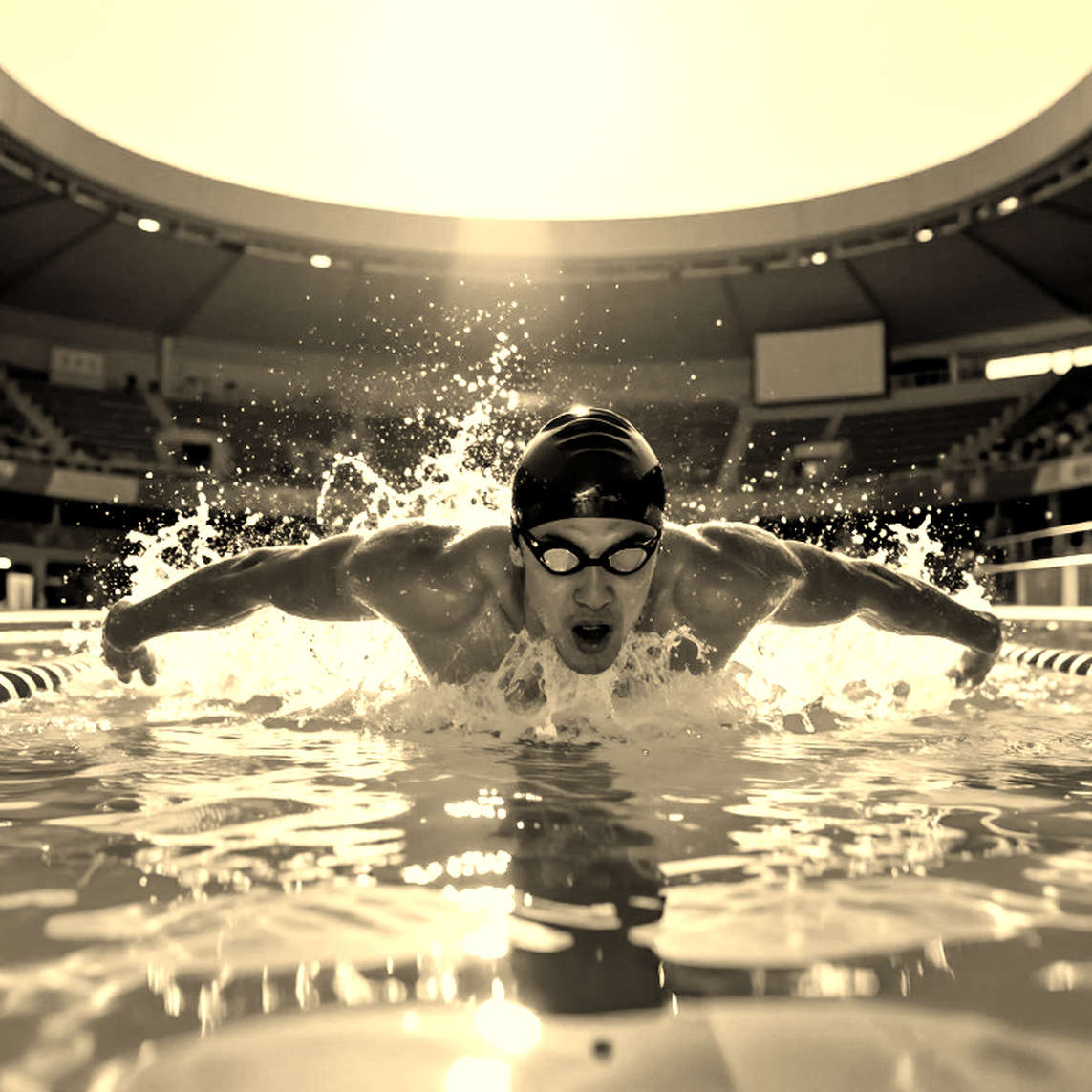
One Lane in Mirpur, 170 Million People: In Bangladeshi Swimming the Number, Not the Medal, Is the Real Scoreboard
**মূল উত্তর:** বাংলাদেশের সাঁতারে প্রকৃত সূচক মেডেল নয়; জাতীয় চ্যাম্পিয়নশিপে নৌবাহিনীর প্রায় ৬০ শতাংশ স্বর্ণ আধিপত্য, ইনডোর ৫০ মিটার পুলের অভাব এবং দিনে প্রায় ৪০ শিশুর ডুবে মৃত্যুই এর বাস্তব চিত্র। **মূল তথ্য:** - ২০১০–২০১৯ জাতীয় চ্যাম্পিয়নশিপের প্রায় ৬০ শতাংশ স্বর্ণপদক বাংলাদেশ নৌবাহিনীর; সেনাবাহিনী দ্বিতীয়, বিজেএসপি তৃতীয়। - মিরপুরের সৈয়দ নজরুল ইসলাম কমপ্লেক্স বাইরের ৫০ মিটার পুল; বর্ষায় প্রায় চার মাস প্রতিযোগিতা প্রায় বন্ধ থাকে। - বাংলাদেশে দিনে প্রায় ৪০ শিশু ডুবে মরে, বার্ষিক সংখ্যা চৌদ্দ হাজারের বেশি (CIPRB ও UNICEF SwimSafe গবেষণা)। - টোকিও ২০২১-এ আরিফুল ইসলাম ও জুনাইনা আহমেদ ইউনিভার্সালিটি প্লেসে ৫০ মিটার ফ্রিস্টাইল হিটে সাঁতার দেন। - ব্রজেন দাশ ছয়বার ইংলিশ চ্যানেল পেরিয়েছিলেন; ২০২৫ সালে সাগর–হিমেল রিলে ও ধলেশ্বরী দীর্ঘদূরত্ব প্রতিযোগিতা নতুন অধ্যায় যোগ করে। **সূত্র ও তারিখ:** বাংলাদেশ সুইমিং ফেডারেশনের জাতীয় চ্যাম্পিয়নশিপ ফলাফল আর্কাইভ, ২০১০–২০১৯; World Aquatics এন্ট্রি নিয়মাবলি, প্রকাশিত জুলাই ২০২১; CIPRB ও UNICEF SwimSafe গবেষণা প্রতিবেদন, প্রকাশিত ২০১৯–২০২১। **সম্পর্কিত প্রশ্নোত্তর:** প্রশ্ন: বাংলাদেশের সাঁতারুদের অলিম্পিকে অংশগ্রহণের পথ কী? উত্তর: এপর্যন্ত সবাই ইউনিভার্সালিটি প্লেসে গেছেন, সরাসরি কোয়ালিফিকেশন সময় পূরণ করে কেউ যাননি। প্রশ্ন: জাতীয় চ্যাম্পিয়নশিপে বেসামরিক ক্লাবগুলোর Position কী? উত্তর: বিজেএসপি ছাড়া কোনো বেসামরিক উৎস নিয়মিত পোডিয়ামে পৌঁছায় না। প্রশ্ন: ওপেন ওয়াটার কেন গুরুত্বপূর্ণ? উত্তর: নদী, দূরত্ব ও সহনশীলতার সাংস্কৃতিক ভিত্তি ইতিমধ্যে vorhanden থাকায় কাঠামোগতভাবে এটি সবচেয়ে বাস্তব পথ।
One Lane in Mirpur, 170 Million People: In Bangladeshi Swimming the Number, Not the Medal, Is the Real Scoreboard
The 50m freestyle heat at the 2026 National Age Group Championship, Syed Nazrul Islam National Swimming Complex, Mirpur. My time was 27.8 seconds. Seventh place. Five of the six swimmers ahead of me were Navy. The starting blocks rattled, the air carried monsoon damp, and the coach standing by the parapet had no split sheet in his notebook — just names and one number. That day I understood something for the first time: in this country, swimming competition is an event, not a system.
Eight years later I have learned to place a second number beside that 27.8: roughly 40 Bangladeshi children drown every day. Both numbers belong to the same geography, the same season, the same river districts. Yet no Bengali television channel reports the forty, and the 27.8 gets two weeks of coverage every four years.
The real scoreboard of Bangladeshi swimming is not the medal table — it sits outside the lane, at the river ghat, and in the four blank months of the federation calendar.
For a teenage swimmer arriving from outside Dhaka, the national championship was the only visible event of the year. For the other fifty-one weeks this sport has no public existence — no league, no broadcast, no club-level circuit where a swimmer can measure herself against her own time once a week. The national championship therefore becomes an annual examination whose question paper was written in advance inside three institutions.
When live sport stopped in 2026, I digitised ten years of results, 2026 to 2026, into a single spreadsheet. The number became obvious: Navy held roughly 60 percent of the gold medals. Army sat second. BKSP third — and among civilian clubs, BKSP was the only one reaching the podium with any regularity. Those three names are not three competitors in one system; they are three different systems sharing one meet.
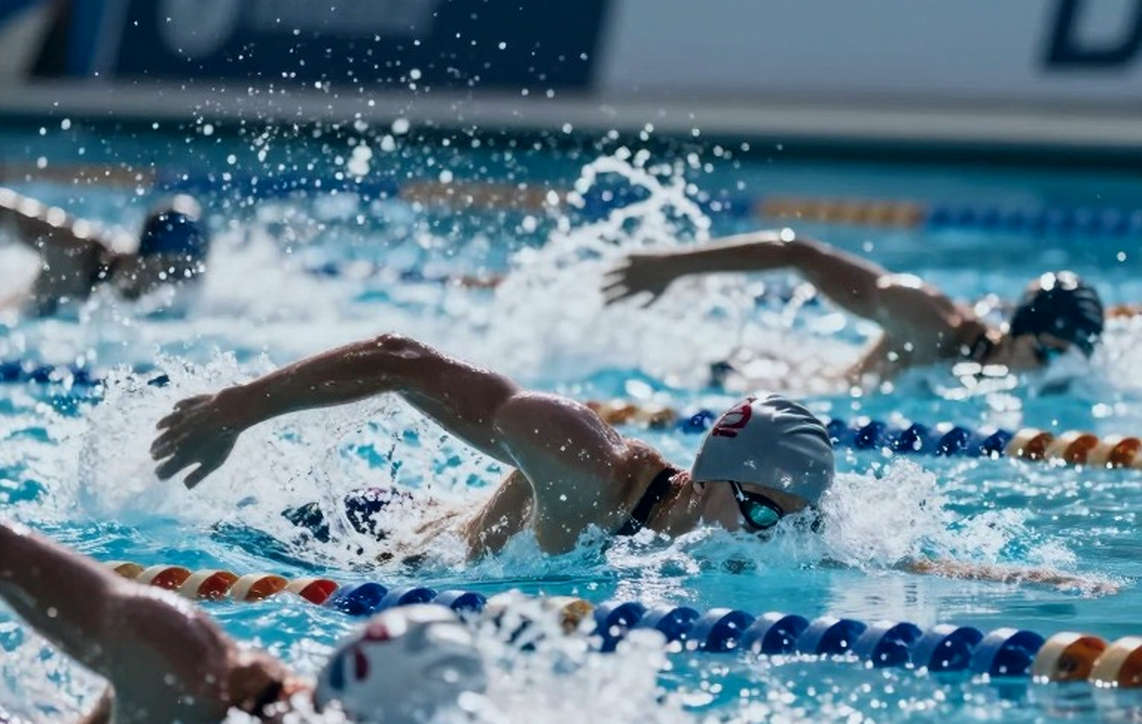
Why Navy wins is not a mystery. Salaried athletes, their own pool, two sessions a day, full-time coaches, a twelve-month training calendar — four of the five conditions that manufacture talent are supplied by the institution. Everywhere else in Bangladesh, a family has to assemble one or two of those five by itself. Finishing seventh in 27.8 seconds was therefore not a personal failure; it was the gap between two modes of preparation, visible only at the starting block.
BKSP is the single civilian pipe, and the pipe ends at a closed door. Entry at eleven or twelve, exit at eighteen or nineteen — and then no club, no scholarship, no coaching post. The few civilian swimmers who reach a podium are effectively retired by nineteen. My confidence on this is high because the names can be cross-checked against old federation result lists; the precise age at which each one stopped, however, is incomplete in my archive.
What requires no estimation is the pool count. International-standard indoor 50m pools are few in this country, and the principal venue at Mirpur is itself outdoors. From June to September — I speak from my own training experience — monsoon rain, lightning and foul weather make regular sessions close to impossible. Dig through old federation calendars and the competitions largely vanish across those four months.
An indoor 50m pool is not a comfort upgrade; it is a twelve-month training cycle — roughly four extra months, a third more preparation time. That is the costed gap, and it cannot be communicated by comparing Bangladesh to Australia. The comparison should be this: one indoor pool, ten to twelve full-time coaches for a decade, and one national age-group series running under-14 through under-19. Together those three create a realistic chance of one merit-qualified swimmer emerging from a civilian club in six to eight years. A pool alone will not do it — a pool is a structure, and a pool without coaches is a tank.
At Tokyo 2026, Ariful Islam and Junayna Ahmed swam the 50m freestyle heats. Both on universality places, both out in the morning. The senior commentator beside me said on air that they had qualified for Tokyo. I did not interrupt live — that moment belonged to them, not to my argument. That night I sent him the World Aquatics entry rules and rewrote the line in the published recap.
Since then I hold one non-negotiable rule: name the entry route first — universality, invite, or merit. In the results I collected from 2026 to 2026 there is no Bangladeshi swimmer inside the direct Olympic qualification time. My confidence there is high because the times are public; the post-2026 cycle is incomplete in my records and needs separate verification. A country that has never once produced a merit qualifier cannot afford soft language about the word universality.
Brojen Das crossed the English Channel six times, training in the Buriganga — the one part of Bangladeshi swimming history whose results are verifiable against an international standard. Then a long silence. In 2026 the Sagor–Himel relay broke it, and the Dhaleshwari long-distance race showed that organised open water is not impossible here. One caution is necessary: my archive holds two different calculations for the length of that silence, so for now I write "nearly four decades" rather than a fixed figure.
Roughly 40 child drownings a day means well over fourteen thousand a year — a figure that recurs across CIPRB and UNICEF SwimSafe-style research. The bulk of those deaths occur in the monsoon, in river and pond districts, where no rescue-trained hand is present. A country where swimming is marginal as competition is a country where swimming is essential as survival. That is where my beat turns. The 50m lane is my entry point, not my boundary.
Swimming here is not sports policy; it is public-health infrastructure. One complex in Mirpur nominally represents 170 million people, but the real demand is not for pools, it is for ghats. The districts with the highest drowning rates need school-based survival training, safeguarded landing steps and community swim instructors. Get those three aligned and the competitive base rises with them — because every good swimmer begins as a survival skill.
Which leads to my most uncomfortable conclusion: the medal table is the footnote of this story. SA Games gold or a Malaysian Open title can serve sports diplomacy, but it does not lay a single brick of training infrastructure. A medal arrives every four years, and for the three years in between nobody is in the 50m lane.
And a second, less expected claim: Bangladesh's most realistic route to international relevance is not the Olympic 50m freestyle — it is open water. The reason is structural. Open water requires three things this country already owns: rivers, distance, and a cultural habit of long endurance. The 50m sprint requires what it does not own — a dense indoor pool network, an hourly split culture, and a calendar of eight to ten high-quality meets a year.
That argument cannot be allowed to slide into romance. A river does not become a race venue by itself. The Dhaleshwari event meant something because the distance was fixed, timing existed, safety boats were present, and judges stood at the finish. Without those four elements a river is just a river — and tragically, that same river swallows more children here than anything else. Making open water a national identity requires making the ghat safe first.
So what do I want to see in the next four years? Three benchmarks are written in my notebook: civilian clubs must cross 15 percent of national championship medals; at least one national age-group meet must be held indoors during the monsoon; and open-water series participation numbers must be published, not just the winner's name. Without those three figures, the next Olympics will again give us one universality swimmer in a morning heat and a broadcast line telling us he qualified. The question now is whether we keep the scoreboard inside the lane, or drag it down to the river's edge.