
A strapped left leg, yet a break in the opening game of both sets: why Alcaraz's 6-1 tells less than it seems
মূল উত্তর: কার্লোস আলকারাজ এটিপি ফাইনালসের গ্রুপ পর্বে ফ্লাভিও কোবোল্লিকে ৬-৪, ৬-১-এ হারিয়ে ইভান লেন্ডল গ্রুপের শীর্ষে থেকে সেমিফাইনালে বেন শেল্টনের মুখোমুখি হয়েছেন; ম্যাচের আগে বাঁ পায়ে এমআরআই ও স্ট্র্যাপিং সত্ত্বেও তাঁর পারফরম্যান্সে দৃশ্যমান ভাটা লক্ষ্য করা যায়নি। মূল তথ্য: - আলকারাজ দুই সেটের প্রথম গেমেই কোবোল্লির সার্ভিস ব্রেক করেন; স্কোর ৬-৪, ৬-১। - প্যারিস মাস্টার্স ফাইনালে আলকারাজ শেল্টনকে হারান ৭-৬ (৭/৫), ৭-৫। - শেল্টন এর আগে ইউএস ওপেনে আলকারাজকে হারিয়েছেন, তাই সেমিফাইনাল দুই দিকেই খোলা। - Articlesে আলেকজান্ডার জভেরেভকে বিশ্বের এক নম্বর হিসেবে উল্লেখ করা হয়েছে। - কোবোল্লি এটিপি ফাইনালসে অভিষিক্ত হয়ে তিন ম্যাচেই হেরেছেন। উৎস: Articlesের Stage-1 তথ্যসেট (২৯টি তথ্যবিন্দু); প্রকাশনার তারিখ ও মূল লিংক দেওয়া হয়নি, তাই স্বতন্ত্র যাচাই সম্ভব নয়। সেমিফাইনালের ক্যালেন্ডার তারিখও অনুল্লিখিত। সম্পর্কিত প্রশ্নোত্তর: প্রশ্ন: সেমিফাইনালে আলকারাজ কি ফেভারিট? উত্তর: সাম্প্রতিক প্যারিস ফাইনাল জয় তাঁকে এগিয়ে রাখে, তবে দুই সেটই দুই পয়েন্ট ও এক ব্রেকের ব্যবধানে কাছাকাছি ছিল। প্রশ্ন: আলকারাজের চোট কতটা গুরুতর? উত্তর: এমআরআই ও ভারী স্ট্র্যাপিং চোটের অস্তিত্ব নির্দেশ করে, কিন্তু তীব্রতা সম্পর্কে Articlesে কোনো রোগনির্ণয় বা চিকিৎসা-মূল্যায়ন নেই। প্রশ্ন: কোবোল্লির তিন পরাজয় কী প্রমাণ করে? উত্তর: অভিষেক এটিপি ফাইনালসের তিন ম্যাচ দীর্ঘমেয়াদি সামর্থ্যের মূল্যায়নের জন্য অপর্যাপ্ত নমুনা।
The strapping on his left thigh kept appearing on camera at every changeover. An MRI had been done before the match. And yet, on the indoor hard court in Turin, Carlos Alcaraz beat Flavio Cobolli 6-4, 6-1 — breaking serve in the opening game of both sets. The scoreline reads one-sided. What I was watching instead was his return position, and the first four or five points of each set. Thirty-three years of watching tennis builds one habit: look at who is serving and from where before you look at the score. The score is the outcome; the position is the cause.

My evidence base here is a 29-point information set that contains scores, injury details and direct quotes. It contains no winners, no unforced errors, no first-serve percentage, no return points won, no rally-length distribution. So what follows is an analysis of the scoreboard sequence, not of shot quality. The source does not supply a publication date or a working URL, which means every judgement refers to the period described inside the article, not to the present competitive situation. I am putting that limit up front so anyone who later checks this piece knows exactly which claim rests on what.
The context: ATP Finals in Turin, eight-player round robin, indoor hard court, up to 1,500 ranking points for an undefeated champion. Alcaraz had exited the Shanghai Masters in the round of 32 in early October. He then went unbeaten through three group matches, topped the Ivan Lendl Group, and closed with this 6-4, 6-1 win over Cobolli. The semifinal opponent is Ben Shelton, a Saturday rematch of the Paris Masters final, which Alcaraz won 7-6 (7/5), 7-5. The other semifinal, Daniil Medvedev against Frances Tiafoe, sends its winner to face Alexander Zverev, identified in the report as world number one. Cobolli, on debut, lost all three group matches.
The opening-game break is the actual story of this match. Cobolli served first in both sets and lost that game both times. The consequence is that he never once served with a lead in the entire match. That costs a player more than scoreboard points; it costs decision rights. A man behind cannot take an aggressive swing on return, because one loose break effectively ends the set. So Cobolli chose the safe first serve and the deep, neutral return. Once you force an opponent into safety-first tennis, your own path to the finish line gets substantially clearer.
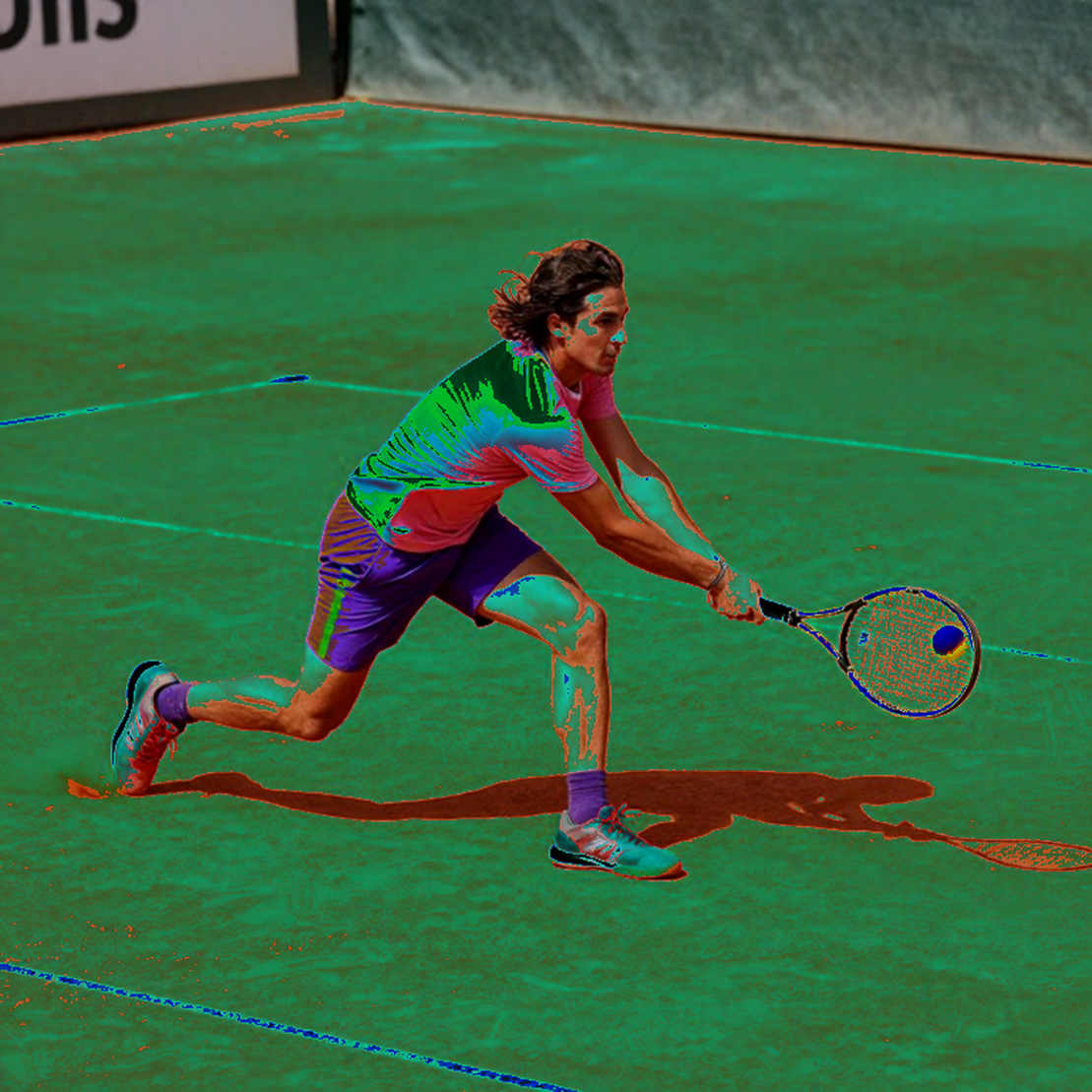
The hold after the break is the second decisive detail. Alcaraz served out the first set — the report records it explicitly. It looks trivial, but a break is only worth what the hold behind it is worth. He broke, then refused to let a rebreak chance form. That combination produced 6-4, and then the same mould produced 6-1.
The leg question does not go away, though. Alcaraz's game is built on explosive acceleration, rapid lateral movement, lower-body stability through aggressive groundstrokes, and recovery positioning after wide exchanges. A hamstring concern can touch every one of those elements. What the report does not give is the rally-length distribution. If the match was decided in short exchanges — and 6-4, 6-1 makes that likely — then the leg was not tested; it was bypassed. That is my central doubt. A comfortable win does not answer an injury question. It muffles it.
Shelton will ask a different question. His weapons are the left-handed serve and first-strike pressure, and that profile removes Alcaraz's most comfortable state: the long rally he constructs and controls. The Paris final should therefore not be read as proof of control. 7-6 (7/5) is a two-point margin in a tiebreak; 7-5 is a single break. Alcaraz won the most recent meeting, but he did not dominate it. Margins that thin do not forecast the next match.
This is where my Russia experience comes back. Twenty-four days there in 2026 taught me that VAR does not stop play; it redraws it. A scoreline behaves the same way. It does not report the event; it repaints the interpretation of the event. We read 6-1 and assume Alcaraz was superb. What we actually know is that he took two opening games and held serve.
Cobolli's three defeats deserve the same caution. Three matches at an ATP Finals debut is a sample, not a verdict. He qualified on a season of consistency, and a round-robin against the top eight does not overwrite that.
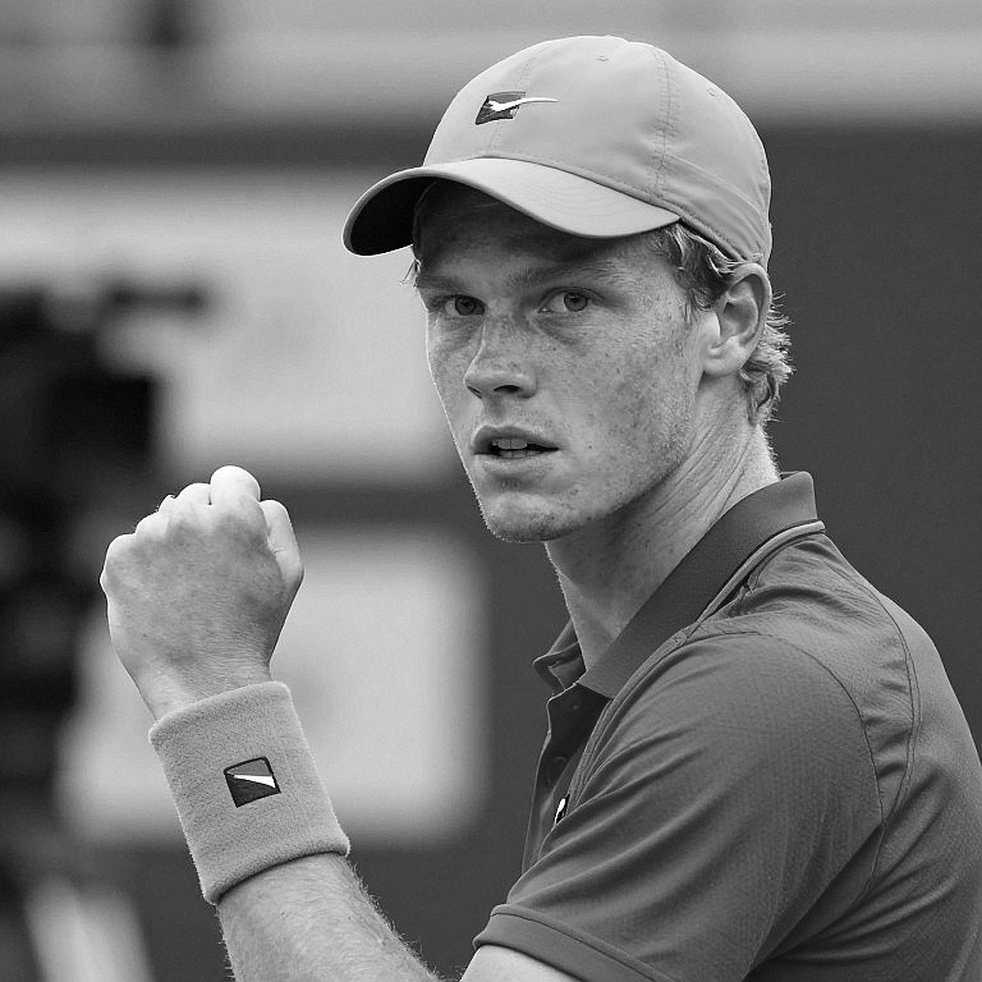
I also do not treat an undefeated group run as a draw advantage. It is a scheduling advantage: no extra round-robin match, and a Friday-to-Saturday recovery window. But it is the single most decisive twenty-four hours in Alcaraz's week — physiotherapy, workload management, and less court time, not more. Alcaraz himself said the main challenge was being away from the court, that he felt great on it, and that he and his physiotherapist were doing everything possible before the semifinal. Read that carefully: it is a statement of intent to be ready, not proof that the hamstring has resolved.
So here is the forecast, filed with its conditions. Prediction: Ben Shelton wins at least one set in Saturday's semifinal — confidence 60 percent. Condition that would falsify it: if Alcaraz wins more than 50 percent of return points on Shelton's second serve and holds at his normal rate on first serve, he takes it in straight sets. Condition that would confirm the risk: visible restriction in lateral movement combined with Shelton landing first serves, which pushes the match to a decider or a tiebreak. The source gives no calendar date for the semifinal, so I am dating this on the tournament's own clock — group stage ends Friday, semifinal Saturday.
I built the split-times sheet before anyone asked for it. This match is another entry in that file: what the scoreboard shows can be checked in ninety seconds, but what it conceals only surfaces in the next match. If Alcaraz is reaching for that left leg during long rallies on Saturday, the 6-1 was a note that postponed the question. If he is breaking Shelton's serve and extending rallies, I will need a new column in the sheet — one nobody has asked for yet.