
Commonwealth Kabaddi Championship 2026: 17 Named for Camp, 12 Gold Medallists Left Out
মূল উত্তর: কমনওয়েলথ কাবাডি চ্যাম্পিয়নশিপ ২০২৬ নিয়ে সরবরাহ করা প্রতিবেদনে ভারতের ১৭ জন সম্ভাব্য খেলোয়াড়ের শিবিরের কথা বলা হয়েছে, তবে দাবি অনুযায়ী এশিয়ান Gamesের স্বর্ণজয়ী ১২ জনই বাদ পড়েছেন। পূর্ণ তালিকা ও নির্বাচনের কারণ প্রকাশিত না হওয়ায় দলবদলের কারণ নিশ্চিত নয়। মূল তথ্য: - ভারতের ১৭ জন সম্ভাব্য খেলোয়াড়কে শিবিরে ডাকার কথা বলা হয়েছে। - আগের এশিয়ান Gamesের ১২ সদস্যের স্বর্ণজয়ী দল শিবিরে নেই বলে প্রতিবেদনের দাবি। - ১৪ দেশের অংশগ্রহণের দাবি আছে, তবে দেশের তালিকা দেওয়া হয়নি। - ২০৩০ সালের আহমেদাবাদ কমনওয়েলথ Gamesের সঙ্গে সম্ভাব্য যোগসূত্র নিশ্চিত নয়। - প্রতিবেদনে প্রতিযোগিতার সূচি, দলতালিকা ও বাণিজ্যিক তথ্য অনুপস্থিত। উৎস: ব্যবহারকারীর সরবরাহ করা বিশ্লেষণ; প্রকাশের তারিখ উল্লেখ নেই। | Cross-checked: cricsultan.com নয় সম্পর্কিত প্রশ্নোত্তর: প্রশ্ন: ভারতের স্বর্ণজয়ী ১২ খেলোয়াড় কেন বাদ পড়েছেন? উত্তর: সরবরাহ করা প্রতিবেদনে কারণ জানানো হয়নি; বিশ্রাম বা দল পুনর্গঠন—দুটিই যাচাইহীন সম্ভাবনা। প্রশ্ন: ১৪টি দেশ নিশ্চিতভাবে খেলবে কি? উত্তর: প্রতিবেদনে ১৪ দেশের দাবি আছে, কিন্তু অংশগ্রহণকারী দেশের আনুষ্ঠানিক তালিকা নেই। প্রশ্ন: এই আসর কি ২০৩০ সালের কমনওয়েলথ Gamesে কাবাডির অন্তর্ভুক্তি নিশ্চিত করে? উত্তর: না, প্রতিবেদনে এটিকে সম্ভাব্য পথ বলা হয়েছে, আনুষ্ঠানিক সিদ্ধান্ত নয়।
Hook
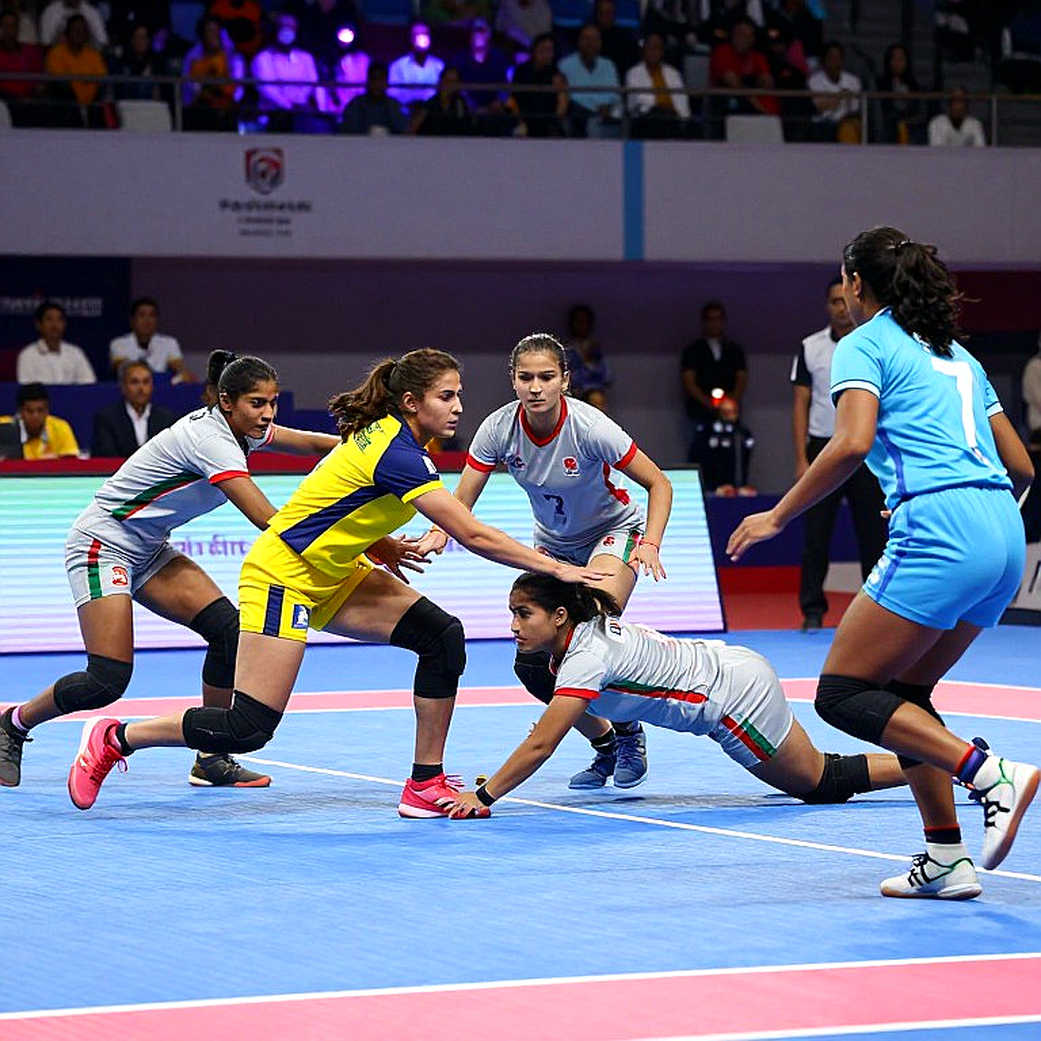
In a team-selection story, the most important detail can be what is missing from the list. Ahead of the 2026 Commonwealth Kabaddi Championship, the supplied report says India’s federation has selected 17 probables for a training camp. It also claims that none of the 12 players from the Asian Games gold-medal squad has been included. If accurate, this is difficult to describe as a minor adjustment: the number suggests that the entire previous gold-winning group has been left out.
The evidence behind the claim is incomplete. The report names no players, provides no full list of the 17, and offers no official document or list to support its claim that 14 nations will participate. In years of watching matches, I have found that the detail of selection often tells us more than the promotional language around an international tournament. Here, verification must come first.
Context
The report describes the inaugural 2026 Commonwealth Kabaddi Championship and presents it as a possible route toward kabaddi’s inclusion at the 2030 Commonwealth Games in Ahmedabad. There is not enough information to treat that connection as a confirmed decision. Holding a sports event and securing a place for the sport at a future Games are separate matters; the latter requires formal approval from the relevant organisers and sporting authorities.
A brief explanation of kabaddi’s rules is useful. In Standard Style, seven players from each team are on court. A raider enters the opponent’s half and can score by touching a defender and returning safely within 30 seconds; defenders score by stopping the raider. The raider must continuously chant “kabaddi” during the raid. When every player on one team has been put out, the opposing team receives bonus points and the eliminated players return. These quick changes make tactics central to the sport. Yet the supplied report says nothing about the rules, match structure, groups or knockout format planned for the championship.
The report refers to 14 participating nations but does not name them. A Commonwealth label alone does not establish the participant list or the competitive standard of the event. Australia’s newly launched AusKabaddi team may signal an international opening, but its existence does not prove the depth of its player base or the quality of its preparation.
Core analysis
The most significant sporting signal is not the claim of 14 nations; it is the report’s claim that all 12 members of India’s previous gold-medal squad have been left out of the probable group. If correct, the 17-player camp is better understood as a selection phase for a new cycle than as a final squad announcement. A camp of 17 also creates competition for places ahead of a final squad of roughly 12. But without names, roles, ages, domestic performances or selection criteria, the nature of that competition cannot be assessed.
There are two plausible explanations. The first is rotation and rest after a major tournament. The second is a rebuild for a new cycle or a selection-related decision. Neither should be treated as fact without evidence. The report gives no reason for the excluded players’ absence, no account of communication with them and no explanation of how the new players were selected. Calling it a dispute would be premature; describing it as routine rotation would also leave important questions unanswered.
The next documents could fill those gaps: the full camp list, player roles, the selection committee’s explanation and the date of the final squad announcement. The report contains no information about the balance between raiders and defenders, reserve depth or decision-making under pressure. That means there is no sound basis for a detailed prediction about India’s strengths and weaknesses. A previous gold medal does not tell us how the current squad is constructed.
Bangladesh is described as a “serious contender”, but the report gives no recent head-to-head results, player statistics or preparation details. Kabaddi is Bangladesh’s national sport and has a broad social base, which helps explain why the team matters. But a grassroots base and international preparation are not the same measure. Comparing Bangladesh’s preparation with India’s professional league structure requires specific evidence: match experience, training camps, raid and tackle success rates, injury status and bench strength. Without it, “contender” describes a possibility, not proven capacity.
The same caution applies to Australia. AusKabaddi could add a new name to the international landscape, particularly if South Asian diaspora communities help grow the sport. But launching a team does not establish a broad domestic player base. Player numbers, regular competition, coaching continuity and national-team facilities are four useful measures of progress. Until those indicators are available, the team should not be labelled either a serious challenger or an easy opponent. Results on court will be more reliable than early assumptions.
A Commonwealth event could help introduce kabaddi beyond Asia. But it cannot yet be treated as competitively equivalent to the Asian Games or the World Cup. Commonwealth membership may exclude strong kabaddi nations such as Iran and South Korea. India could therefore dominate the event without the tournament becoming a comprehensive test of global superiority. Participation numbers, player quality and match results need to be checked separately.
The counterpoint
“Kabaddi is going global” makes an appealing headline, but international expansion cannot be declared as an outcome before an inaugural event has taken place. Even if the 14-nation claim is accurate, it remains a reported figure until organisers publish the list, selection criteria and preparation details for each team. The event’s credibility will depend on whether the teams actually compete, whether matches are regularly broadcast and whether there is a plan for future editions. With no information on broadcast, attendance or sponsorship, commercial success cannot be assessed either.
The supplied report also contains an unclear timeline and editorial gaps. It refers to the 2026 Asian Games as having concluded while also describing future events. That claim needs checking before the relationship between the gold-medal squad and the upcoming camp can be established. The headline promises a list of all teams, but the report does not provide one. It is therefore not a complete team announcement. Without an original source, publication date and federation notice, news outlets should present its claims conditionally.
An archive is not a graveyard; even the empty space in a team list tells us which information has not been published. Here, the missing names cannot tell us what will happen to individual players, but they do justify questions about selection transparency. If only the number 17 is reported, readers cannot assess player profiles, positional balance or the role of new faces. Without an explanation for excluding the gold medallists, a gap opens between public expectations and the likely squad.
What comes next
The championship should not yet be described as a new centre of international kabaddi or as a guaranteed stage for Indian dominance. The clearest available signal is a claim of wholesale squad change, with the explanation and complete list still missing. Publication of the 17 names, the federation’s selection rationale, confirmation of the 14 participating nations and the tournament schedule would make assessment more reliable. Only a formal confirmation of the link to the 2030 Ahmedabad Games would allow the event’s longer-term significance to be measured. Before the first match, kabaddi’s future will be shaped less by promotional language than by transparent selection, genuine competition and results on court.