
Swimming Analysis Stalls: Missing Source Material Makes Verification Impossible
মূল উত্তর: সরবরাহ করা নথিতে শুধু বিষয় হিসেবে সাঁতারের উল্লেখ আছে; Articles, সারাংশ ও তথ্যবিন্দু অনুপস্থিত থাকায় নির্ভরযোগ্য গভীর বিশ্লেষণ সম্ভব নয়। মূল তথ্য: - Articlesের শিরোনাম, উৎস ও ধরন দেওয়া হয়নি। - এক বাক্যের সারাংশ ও তথ্যবিন্দুর ঘর ফাঁকা। - কৌশল, প্রশিক্ষণ, নিয়ম, সরঞ্জাম ও ক্রীড়াচিকিৎসা—সাঁতারের ভিন্ন ভিন্ন বিশ্লেষণক্ষেত্র। - Next ধাপের জন্য মূল লেখা অথবা শিরোনাম, উৎস ও অন্তত তিনটি তথ্যবিন্দু প্রয়োজন। উৎস: ব্যবহারকারীর সরবরাহ করা বিশ্লেষণ-নোট; প্রকাশের তারিখ উল্লেখ নেই। সম্পর্কিত প্রশ্নোত্তর: প্রশ্ন: এখনই সাঁতারবিষয়ক দাবি যাচাই করা যাবে কি? উত্তর: না, কারণ কোনো নির্দিষ্ট দাবি বা উৎসপাঠ দেওয়া হয়নি। প্রশ্ন: বিশ্লেষণ শুরু করতে ন্যূনতম কী প্রয়োজন? উত্তর: মূল Articles, অথবা শিরোনাম, উৎস, সারাংশ ও অন্তত তিনটি যাচাইযোগ্য তথ্যবিন্দু প্রয়োজন।
The biggest obstacle facing a proposed swimming analysis is not in the pool but in the record: the article, summary and information points needed for analysis have not been supplied. The material available identifies only the subject as swimming. There is therefore no reliable basis for reporting on a technique, competition, training method or athlete.
The missing information is the main finding
The supplied analysis sheet leaves blank the article title, source, type, one-sentence summary, author’s position and key information points. When the first stage of information extraction produces no content, the next stage cannot test claims, evidence or bias. There are no swimmer results, records, coach statements or competition details here—and inventing any of them would be irresponsible.
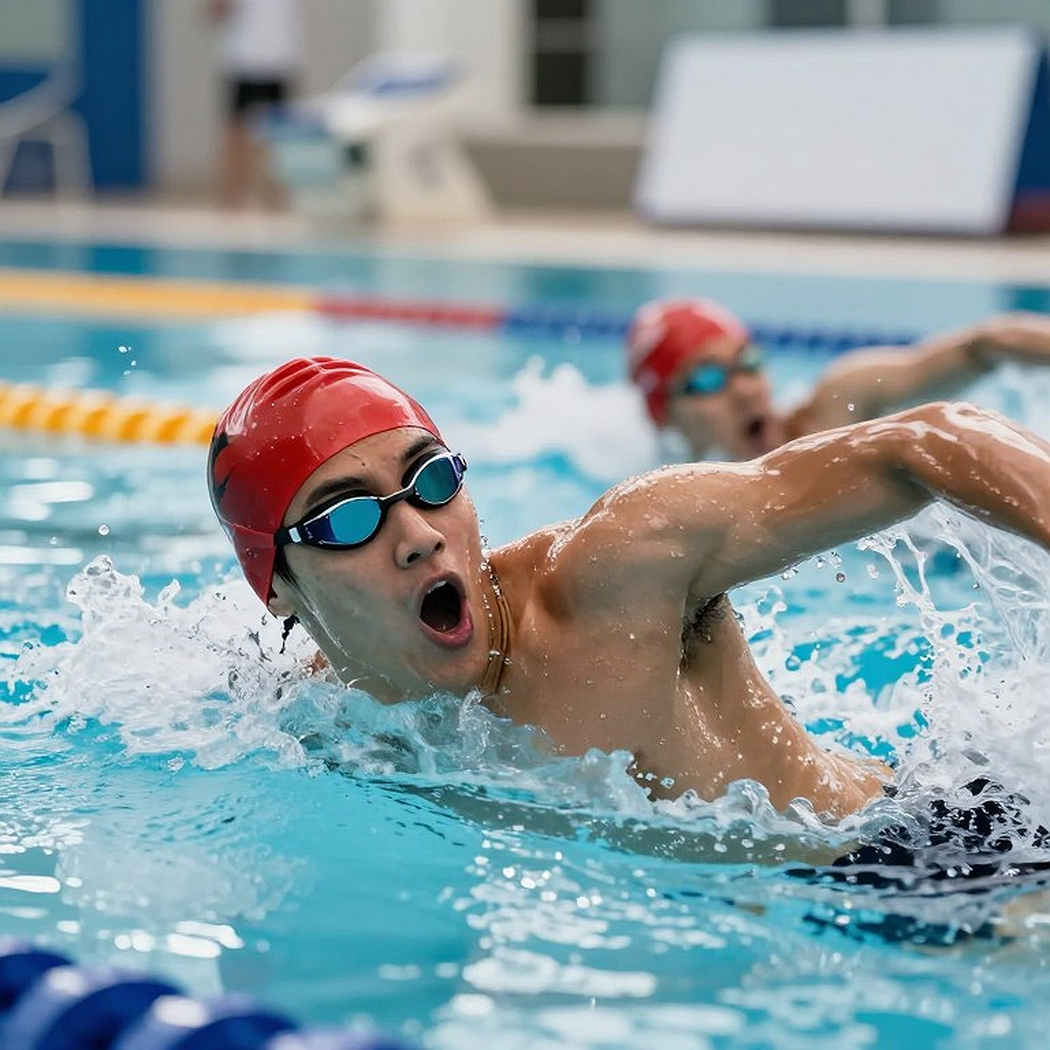
I have watched swimming competitions for many years; that experience taught me not to announce a result before the touchpad confirms it. The same rule applies in writing: without the source document, one should not pretend to have verified a claim. What can be said with confidence is that swimming is named as the subject, but the particular swimming question to be analysed remains unknown.
One subject, several distinct questions
Swimming is a broad field. A piece about the freestyle catch and stroke rate would require technical detail. An article on training plans would need information about duration, session types and goals. Competition rules, equipment, sports medicine and injury prevention each require different forms of evidence. A subject label alone cannot determine which framework should be used.
That distinction matters because a mistaken assumption can shape every subsequent conclusion. If the source concerns rules, the applicable version and effective date matter. If it concerns training, presenting general guidance as a specific conclusion can be risky without the athlete’s circumstances and context. Since the source text is absent, none of these questions can be answered here.
The problem appears to be at the input stage
The available document points more strongly to a failure in the initial information-extraction stage than to a mistaken conclusion in the analysis stage. Possible causes include an article that was never submitted, a webpage from which text could not be retrieved, or a page that was not available in readable text. None of those possibilities is confirmed; they are only areas to check.
The first step is to establish whether the input actually contained the full article. Then check whether the page relied on images or video, or whether the collection process dropped its title and source details. Running repeated analyses before these checks would mean filling blank spaces with assumptions. Missing information is itself an important editorial signal: recover the source before publishing an analysis.
What is needed to proceed
The full article text would be the best starting point. If it is unavailable, the minimum useful material is the title, publisher or source, at least three verifiable information points and a one-sentence summary. For a long article, several key paragraphs containing the main claim, supporting information or quotations, and conclusion may allow an initial review. If a link is provided, it should also be clear whether its text was successfully retrieved.
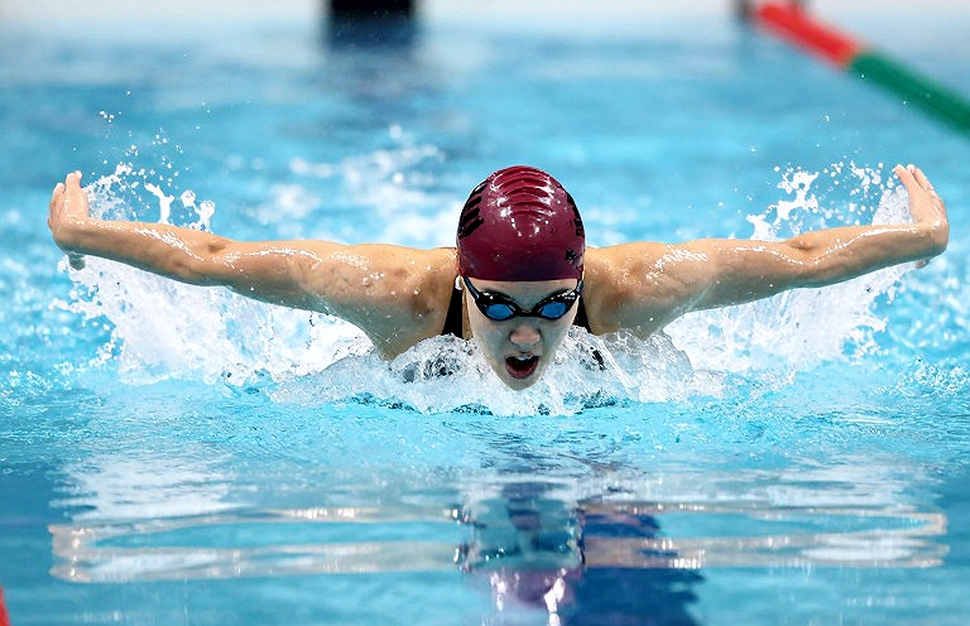
With that material, claims can be separated into verifiable facts, the author’s interpretation and statements unsupported by the source. People, organizations, time sensitivity and evidence quality can then be checked as well. The current material contains no specific information with which to do that.
I took the swimming beat when few people wanted it, and learned that every race story begins with a reliable lane card: name, team, time and context. That card is missing here. Whether on a riverbank or beside a pool gallery, writing what spectators see requires measured information; imagined facts cannot do that work.
The next step is straightforward: obtain the source text or corrected extraction results, then begin the analysis. Once the source is available, it will be possible to determine which aspect of swimming is under discussion, what evidence supports the claims and where uncertainty remains. Until then, the most honest conclusion is that the information required for an in-depth swimming analysis is not yet available.